
Last updated November 25, 2026
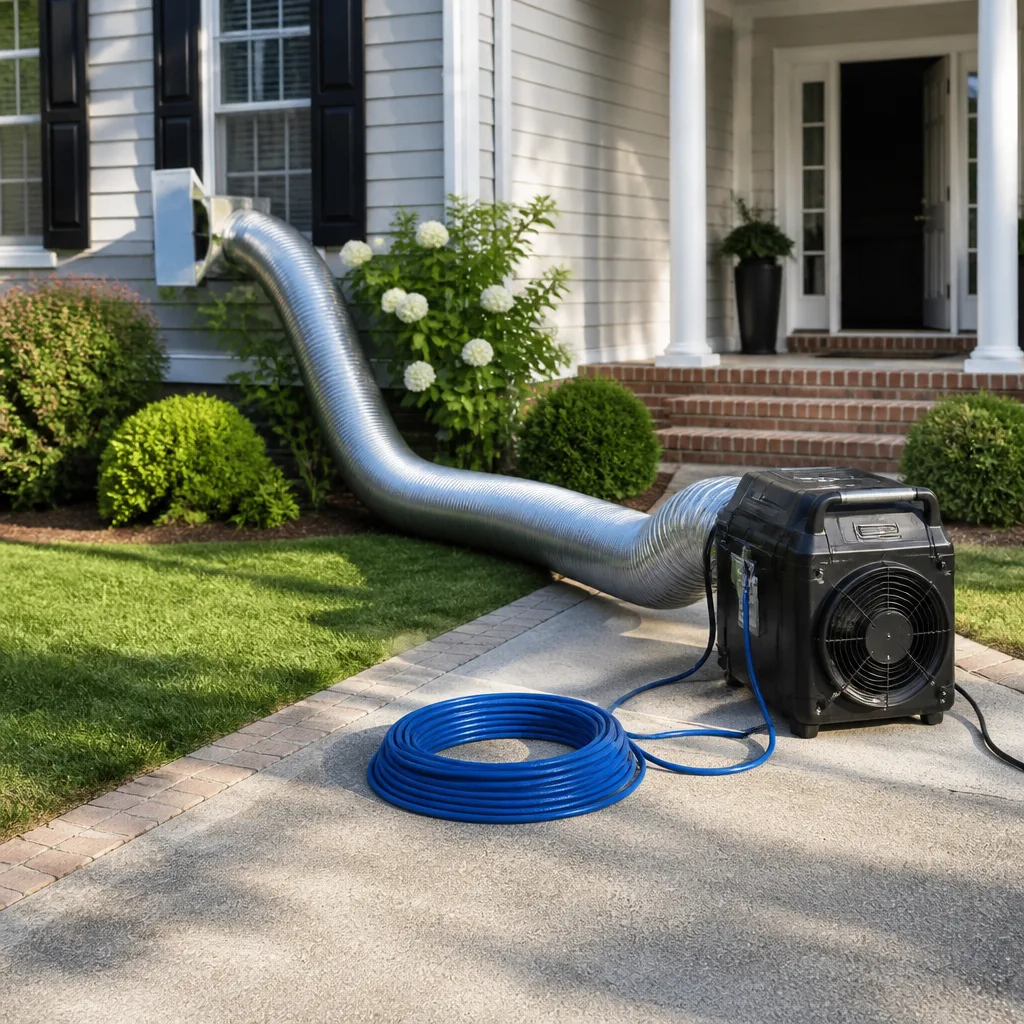 Whole-home duct cleaning
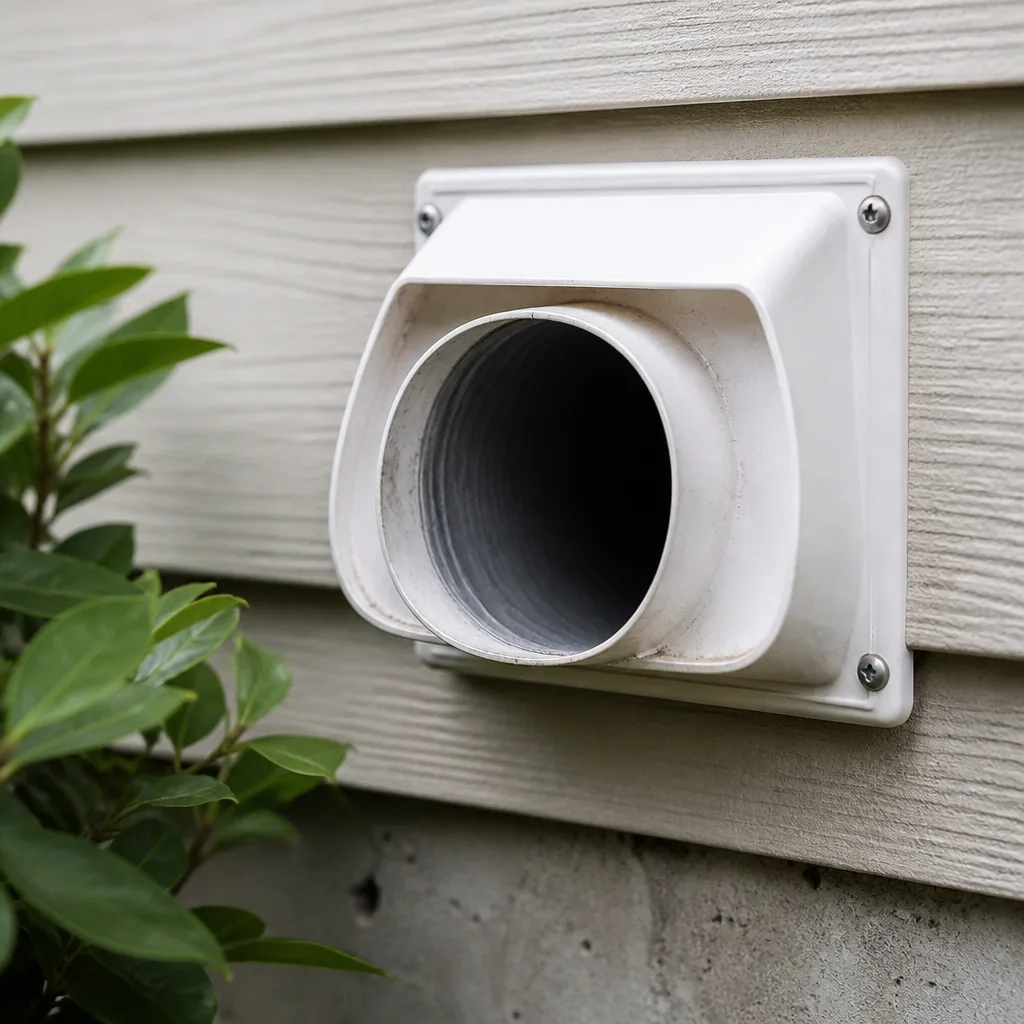 Dryer vent cleaning
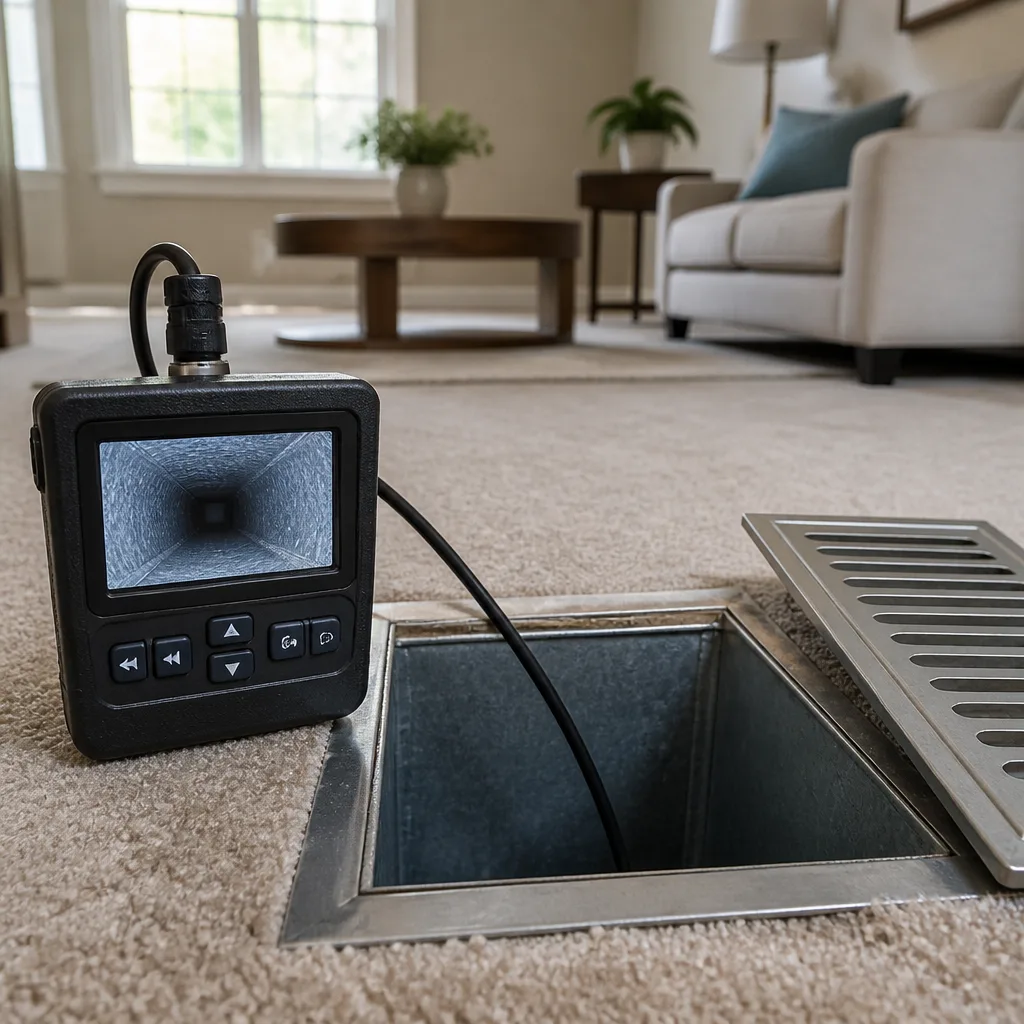 Camera inspection
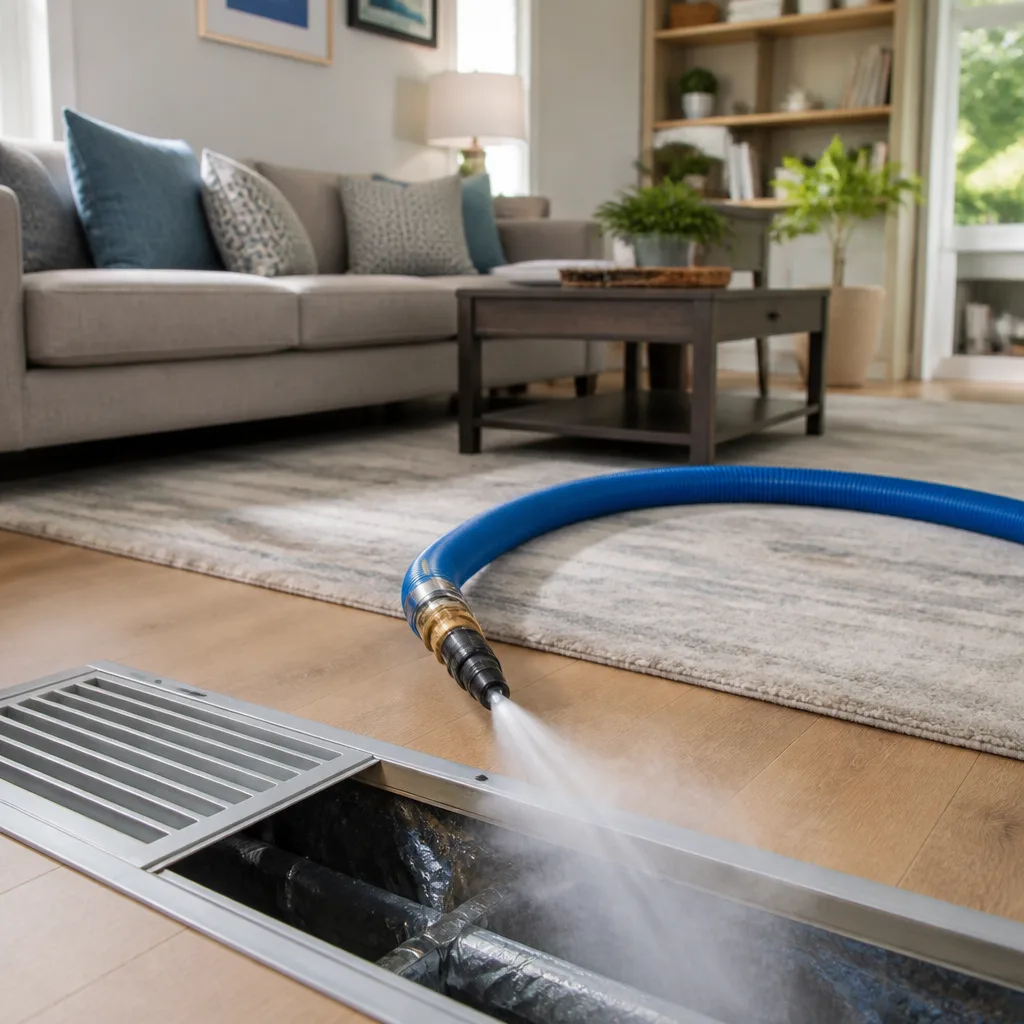 Sanitizing & deodorizing
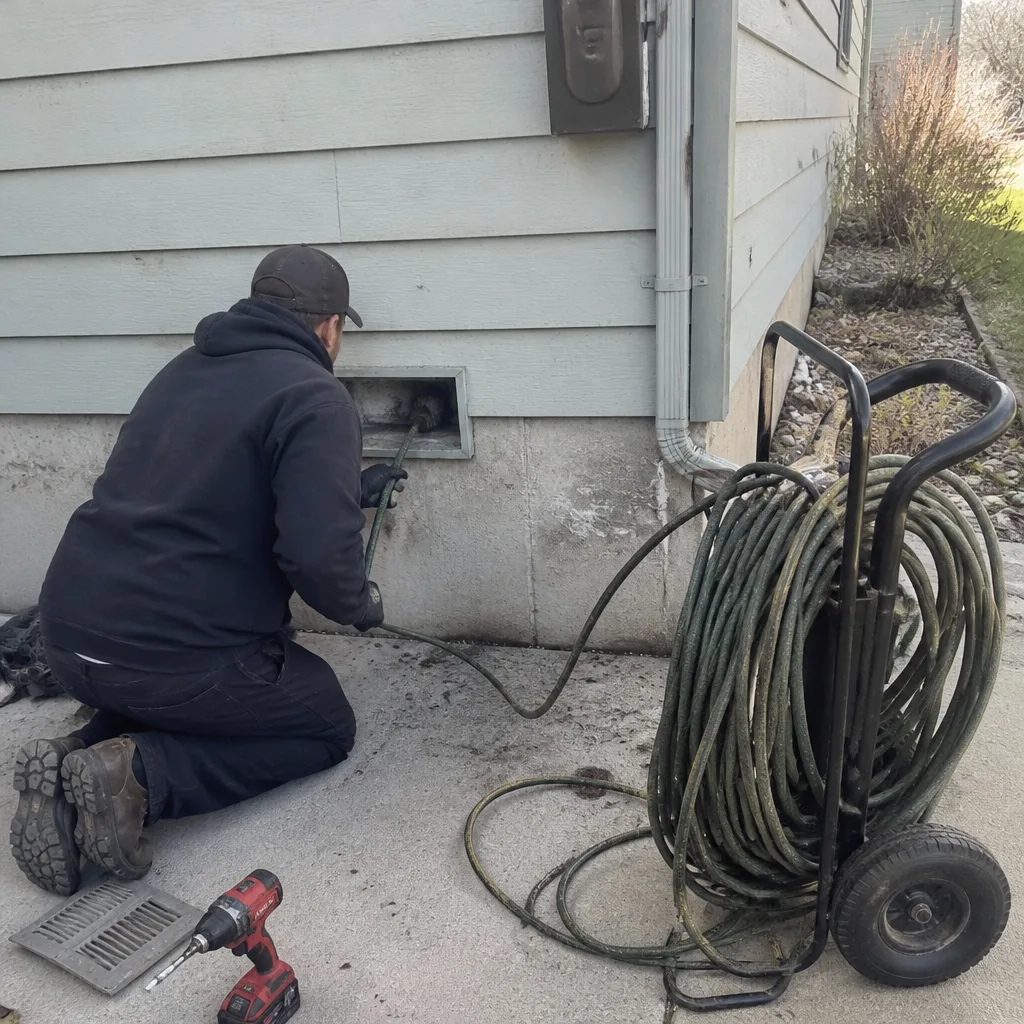
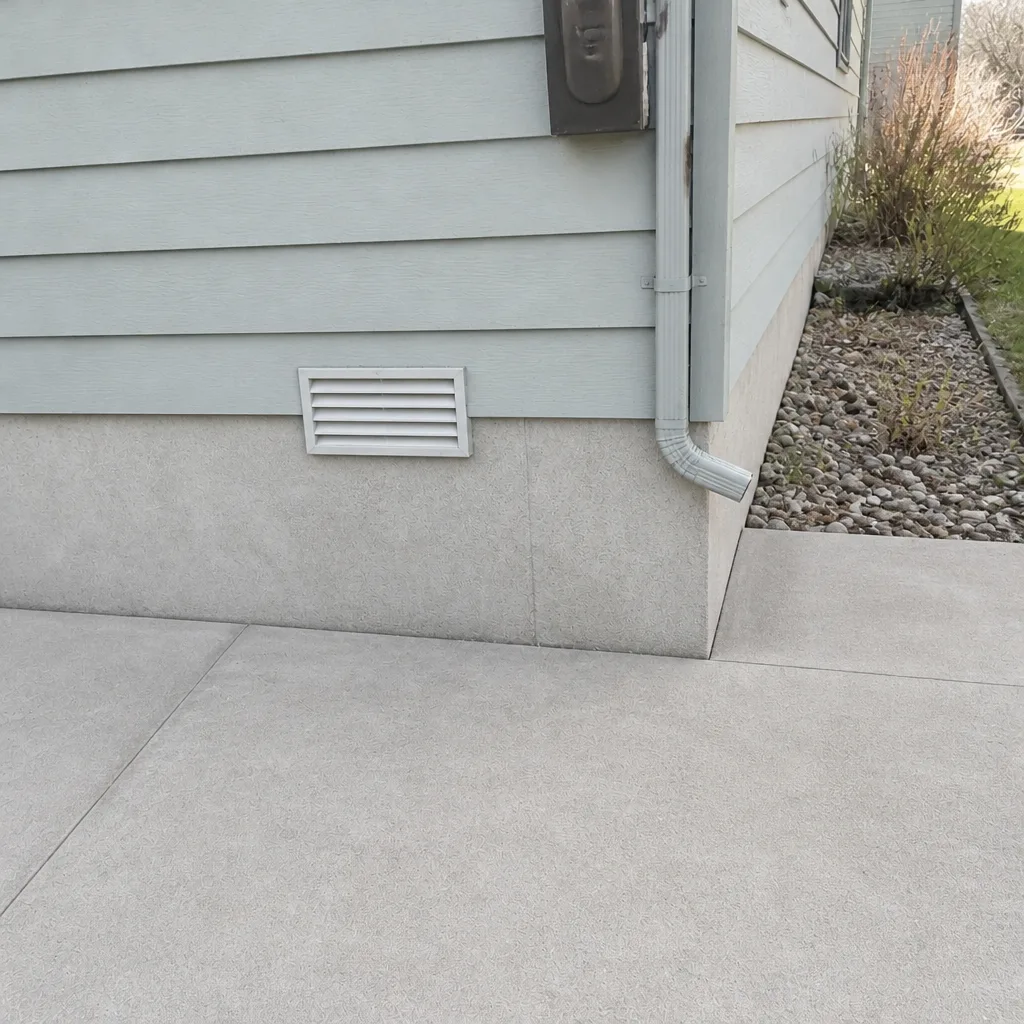
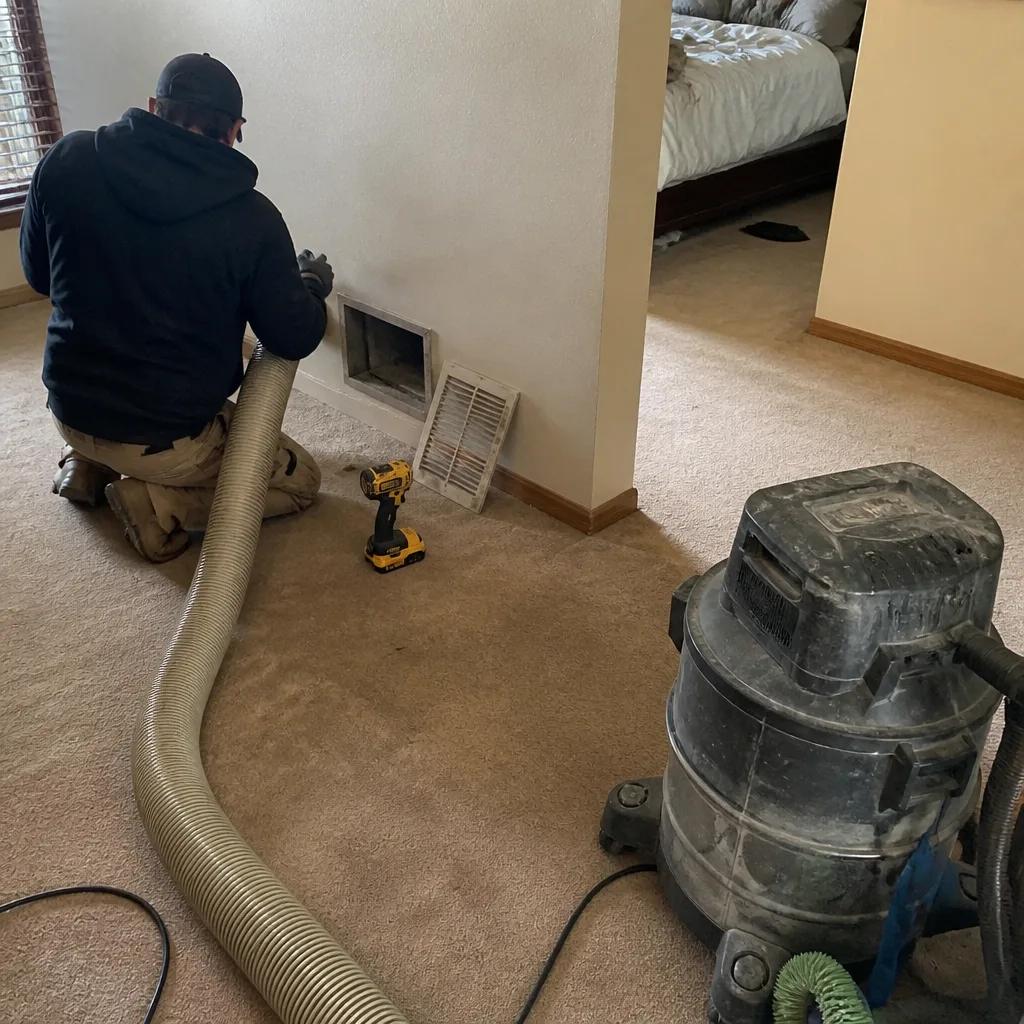
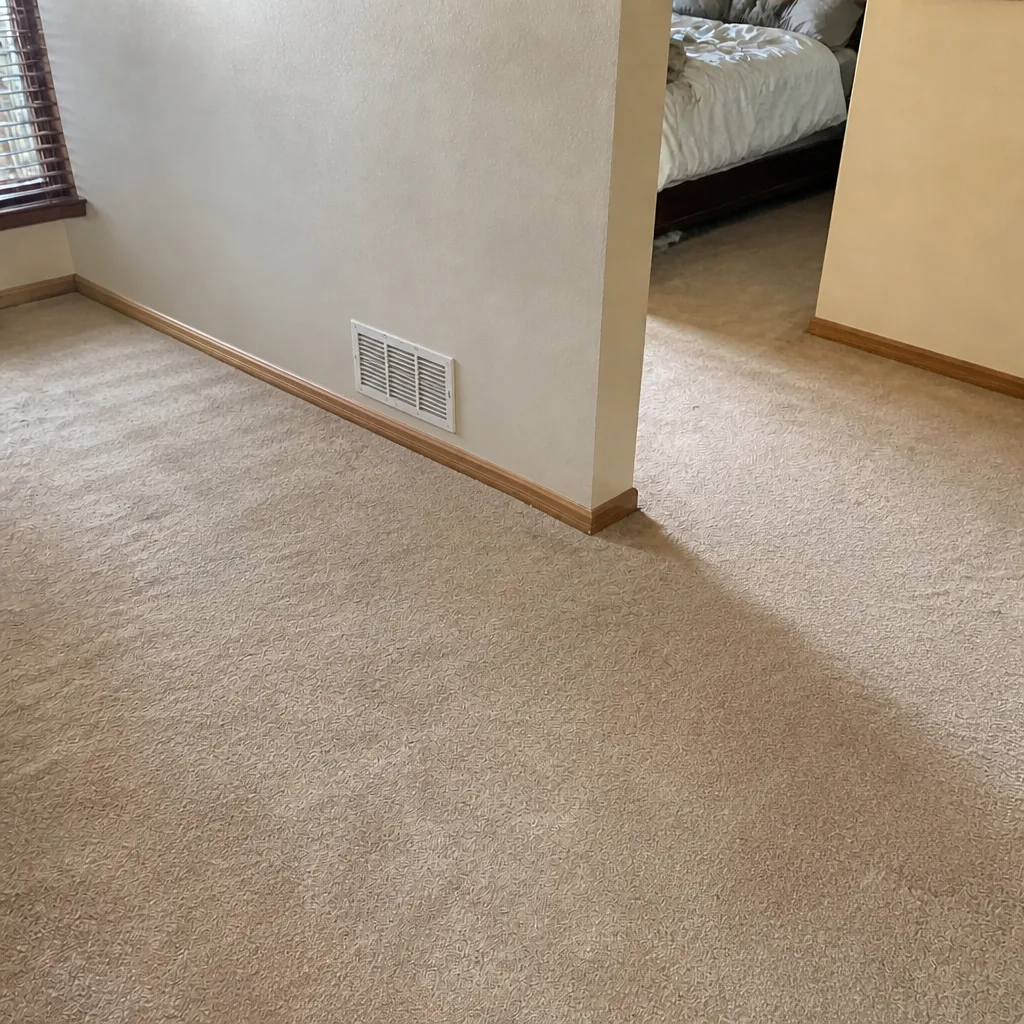
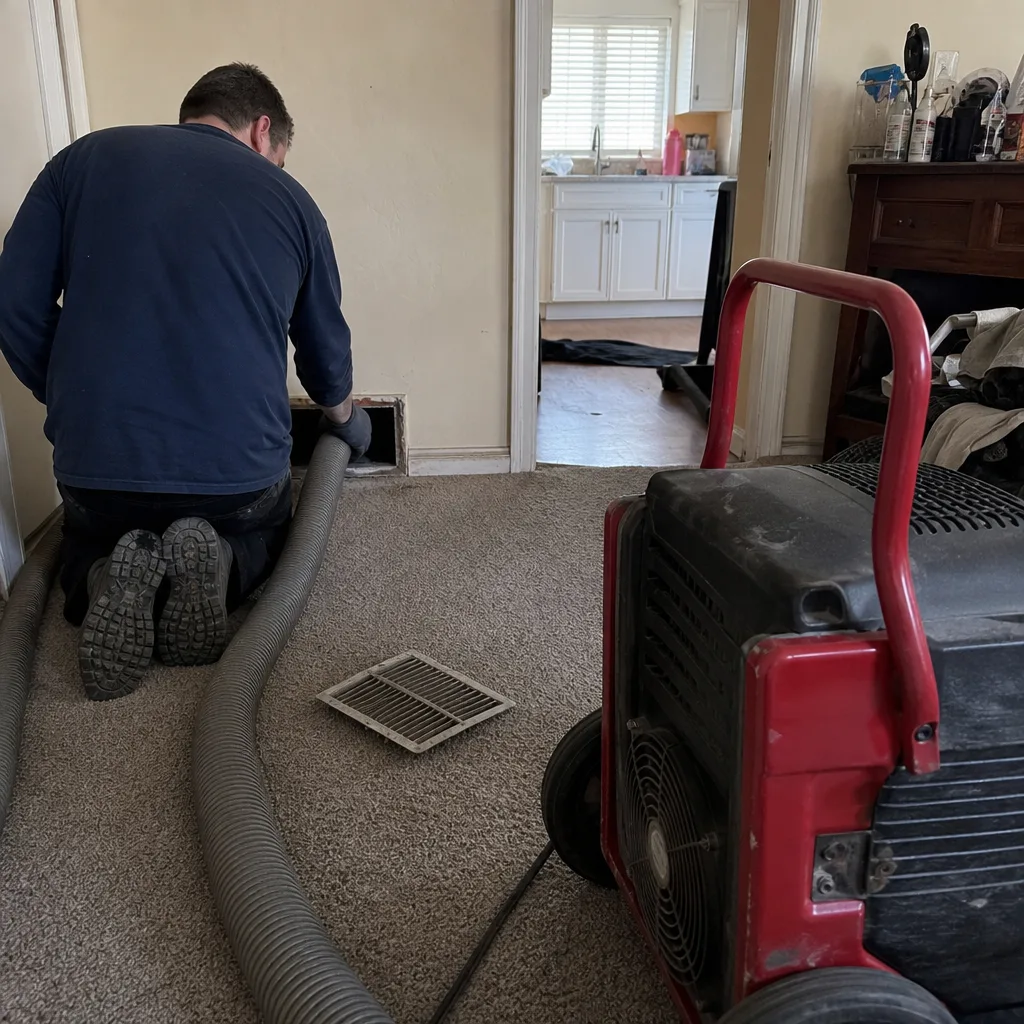
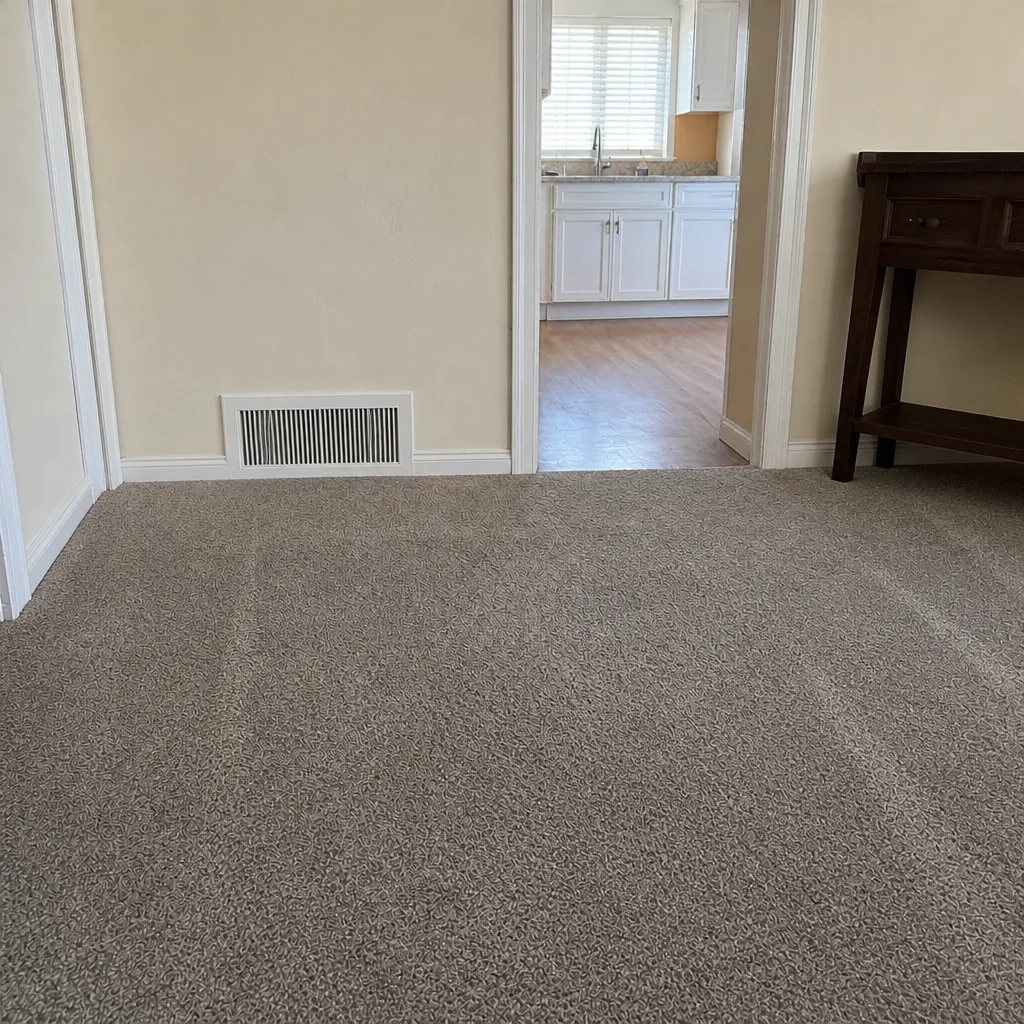
Whole-system duct and dryer vent check with before-and-after photos - you see exactly what came out of your vents
That "$99 whole-house special" is a bait ad - the real number appears once they are in your hallway, or the "clean" is a shop-vac at the register. We photograph the inside of your ducts before and after instead.
Air Duct Cleaning Permits, Codes & Inspections in Lafayette, CO: What You Need to Know
No permit is required to clean your ducts. That part is straightforward, and any contractor who tells you otherwise is inventing paperwork. But if the technician finds a collapsed flex duct section and replaces it, or applies mastic sealant to leaking joints, that work is classified as a mechanical repair under the Colorado Mechanical Code, and doing it without the proper documentation can create problems when you sell your home. Most homeowners never learn where that line sits, and honestly, some contractors don’t either. This guide walks you through the distinction between cleaning and repair in Lafayette, how Boulder County jurisdictions treat sealing systems, what a home inspector actually flags, and how to document the work in a way that protects you.
Quick Answer
Routine air duct cleaning in Lafayette does not require a permit, but any modification, replacement, or repair of ductwork is mechanical work governed by the Colorado Mechanical Code and may trigger permitting or licensed-contractor requirements depending on the scope. Home inspectors routinely flag unpermitted duct modifications during a sale, so ask your contractor for a written scope of work and keep it. If you’re unsure whether a job crosses the line, a quick call to the City of Lafayette building department settles it.
Styles & brands we work with
- Whole-home duct cleaning
- Dryer vent cleaning
- Camera inspection
- Sanitizing & deodorizing
Table of Contents
- Cleaning vs. Repair: Where the Line Actually Sits in Lafayette
- What the Colorado Mechanical Code Says About Ductwork
- Duct Sealing and Aerosol Systems in Boulder County Jurisdictions
- How Unpermitted Duct Work Shows Up During a Home Sale
- What Lafayette’s Building Department Tracks vs. What Goes Unregulated
- How to Ask a Contractor to Document Their Work Scope
- Dryer Vent Codes in Lafayette: The Overlooked Safety Rule
- Common Mistakes to Avoid
- When to Call a Professional
- Frequently Asked Questions
Cleaning vs. Repair: Where the Line Actually Sits in Lafayette
Cleaning is maintenance. Repair is construction. That’s the short version, and it’s the distinction Colorado’s mechanical code draws when it decides what needs a permit.
When a technician pulls a Rotobrush contact-vacuum through your supply runs, brushes the interior walls, and extracts the debris, nothing about your home’s structure changes. No components are removed and reinstalled. No sealed joints are broken. That work is maintenance in every jurisdiction along the Front Range, including Lafayette, and it doesn’t require a permit.
The moment the scope shifts, so does the classification. Consider these common examples:
- Cleaning only – no permit, no inspection, just a work record.
- Replacing a collapsed or torn flex duct section – mechanical repair, and in most cases a permit is required because the system’s pressure characteristics change.
- Cutting in a new register or supply boot – definitely permitted work, since it alters the system’s design.
- Applying mastic sealant to accessible joints – the gray area. Some inspectors treat it as maintenance, others as a modification. Ask before you schedule.
- Aerosol-based internal sealing – the clearest case for prior disclosure. More on this below.
Here’s why this matters in Lafayette specifically: the housing stock is a mix of mid-century ranches, newer builds in the Coal Creek corridor, and older homes near Old Town. In the older homes, duct systems have often been patched, extended, or rerouted by previous owners, sometimes more than once. When we inspect those systems before air duct cleaning, we frequently find work that was never documented, and that history becomes the homeowner’s problem the day they list the house.
The rule of thumb we give Lafayette homeowners: if the work changes what the system does, ask about permits. If it only removes debris, you’re in maintenance territory.
What the Colorado Mechanical Code Says About Ductwork
The Colorado Mechanical Code governs the installation, alteration, and repair of HVAC systems statewide, and local jurisdictions like Lafayette adopt it with their own amendments. Ductwork falls under its scope whenever it’s installed, extended, altered, or replaced.
What that means in practice is less about the code text and more about how your city interprets it. Three categories matter:
- New installation – always permitted. A contractor installing a new duct run pulls a mechanical permit, and the work gets inspected before the system is signed off.
- Alteration or replacement – almost always permitted, especially when the change affects airflow, static pressure, or the system’s design capacity.
- Repair of a component with like-for-like materials – this is where the code leaves room for interpretation, and where a call to the building department before work starts saves trouble.
One thing homeowners should understand: the code doesn’t say much about cleaning. Cleaning is treated as maintenance, full stop. The confusion comes from contractors who bundle cleaning and repair into a single quote without separating the scopes, so the homeowner never learns which part of the invoice represents permitted work and which doesn’t.
If you’re in a Lafayette home built in the 1970s or earlier, and the ductwork has never been mapped, the first step is an inspection. That’s not a sales pitch, it’s a documentation exercise. Our technicians have up to 12 years of experience reading duct layouts, and we can usually tell within a few minutes whether the work in front of us is original construction, a later addition, or something that was patched by a previous owner without a paper trail.
In short: the code exists, the code is enforced, but enforcement happens through permits and inspections, not through door-to-door checks. Which means the burden falls on the homeowner to ask.
Duct Sealing and Aerosol Systems in Boulder County Jurisdictions
Aerosol-based duct sealing, the kind that injects a fog of sealant particles into a pressurized duct system to close small leaks from the inside, sits in a category all its own. It’s not cleaning. It’s not a simple mastic repair. It’s a modification to the system’s performance envelope, and it should be disclosed to the building department before the work is scheduled.
In Boulder County jurisdictions, including Lafayette, aerosol sealing generally requires one of two things: either a permit for mechanical alteration, or, at minimum, a documented disclosure of the scope so the inspector can decide. The determination often hinges on how the contractor describes the work. A vague invoice that says “sealing” tells an inspector nothing. A detailed scope that names the system, the sealant, the affected duct runs, and the pre- and post-sealing leakage test results gives the inspector everything they need.
This is one of the reasons we do repair and sealing in-house rather than referring it out. When a Rotobrush inspection reveals that a supply trunk in a Lafayette basement is leaking badly at the joints, we can address it on the same visit, and we can document it properly. Accessible joints get mastic and mesh. Larger leaks in hard-to-reach sections get evaluated against the homeowner’s goals and the age of the system. Our sealing work is done with the same Abatement Technologies negative-air equipment we use to keep dust contained during the rest of the job, so the containment bar is consistent from start to finish.
If your home already has a Honeywell or Aprilaire system installed, sealing deserves extra attention. Those systems depend on accurate static pressure to work as designed. A leaky duct network undermines the filtration performance you paid for. When we work with HVAC cleaning on a system with premium IAQ equipment, we verify the pressure side before and after sealing so the homeowner has a record of what changed.
Two questions worth asking any sealing contractor:
- Will you provide before-and-after leakage test results in writing?
- Is the scope of the sealing work documented well enough to satisfy an inspector if questions come up during a sale?
If the answer to either is vague, ask again.
How Unpermitted Duct Work Shows Up During a Home Sale
Home inspectors are trained to spot mechanical changes that weren’t permitted. During a Lafayette home sale, this typically plays out in four stages:
- Pre-listing inspection – a seller orders an inspection before going on the market, and ductwork repairs come back flagged as “no permit on record” or “alteration without documentation.”
- Buyer’s inspection – the buyer’s inspector finds the same discrepancy and recommends further evaluation by a licensed mechanical contractor.
- Negotiation stage – the buyer’s agent asks for credits or repairs, and the seller has to either prove the work was permitted or pay to have it re-done properly.
- Closing delay or renegotiation – in the worst cases, the deal stalls while the seller goes back to the city to retroactively permit work that was done years earlier.
What inspectors look for is telling:
- Duct runs that don’t match the home’s original construction drawings.
- Mastic sealant applied on top of older sealant, suggesting multiple repairs without documentation.
- Non-standard transitions between duct materials, where a flex section meets rigid trunk in a way a licensed installer wouldn’t do.
- Registers positioned in ways that don’t make sense for the room’s layout, indicating an addition.
- No permit history pulled for the address on file with the city.
The Colorado real estate market has slowed compared to the frenzy a couple of years ago, and that means buyers have more leverage to demand documentation. In Lafayette, where many homes turn over every seven to ten years, that’s a real issue. We’ve seen buyers walk away from homes over mechanical documentation problems that could have been avoided with a single piece of paper at the time the work was done.
The good news: if the work was done properly, retroactive permitting is usually possible. But it’s much cheaper and faster to document it correctly the first time. If you’re prepping a Lafayette home for sale, our team can inspect and document your duct system before your listing goes live.
What Lafayette’s Building Department Tracks vs. What Goes Unregulated
The City of Lafayette’s building department tracks what’s permitted, inspected, and closed out. It does not track maintenance. That leaves a meaningful gap between what’s regulated and what’s merely customary.
Here’s how the split plays out in practice:
- Tracked: Mechanical permits for new HVAC installations, duct replacements, and system alterations. Inspection records tied to the property address. Certificate of occupancy documentation. Final sign-offs.
- Not tracked: Routine duct cleaning. Filter changes. Dryer vent cleaning. Duct sanitizing. Minor mastic repairs on accessible joints.
- Partially tracked: Aerosol sealing, which depends on how the contractor files the scope. Retrofits of existing systems where only the register boots change. Any work that straddles the repair/alteration line.
What that means for a Lafayette homeowner is this: the absence of a permit isn’t proof the work was wrong, and the presence of a permit isn’t proof it was right. Both matter. The permit is evidence; the work is what counts.
One of the more useful habits we recommend is to ask for a written note on maintenance work even when no permit is involved. A simple document that lists the date, the scope, the equipment used, and the technician’s summary of findings gives a future buyer a paper trail where the building department has none. Rotobrush and Nikro equipment both produce documentation-friendly job reports that name what was cleaned and what was found, and we hand those to homeowners as standard practice.
In our experience working Lafayette neighborhoods from Old Town out toward Indian Peaks, the work that goes unregulated in practice is often the work that matters most for indoor air quality. A duct cleaning job that isn’t documented is nearly impossible to verify later. A duct cleaning job that is documented becomes part of your home’s history, and that’s worth something at resale.
How to Ask a Contractor to Document Their Work Scope
Documentation is the answer to almost every permitting question in this guide. When you hire a contractor for duct work in Lafayette, here’s the exact sequence to ask for:
- Ask for a pre-work written scope. It should name the rooms, the duct runs, the equipment, and whether any repair, replacement, or sealing is included. If a permit is required, the scope should say who’s pulling it.
- Ask for before-and-after photos of your ducts. Not stock images. Your ducts. Our team takes photos at every major transition and hands them over, because this is the industry’s real credibility test. A contractor who won’t show you your own ducts is telling you something.
- Ask for the leakage test if sealing is included. Pre- and post-sealing numbers, on paper. Without them, the sealing work is unverifiable.
- Ask for a permit number if a permit applies. Even if the work doesn’t need to be permitted, ask the contractor to state that in writing on the scope. That sentence alone can head off a question during a sale.
- Ask for the final invoice to match the scope. If the scope says cleaning and sealing and the invoice says “miscellaneous mechanical work,” ask for clarification before you pay.
- Store everything together. Scope, photos, permit records, invoice. One folder, whether it’s digital or paper. When you sell, this folder becomes the answer to the buyer’s inspector.
We bring this up because we’ve seen how much friction a missing document creates. A homeowner in Lafayette with a clean, well-maintained duct system can still lose a negotiation if they can’t prove the work was done. The paperwork is the proof.
If you’re having dryer vent cleaning done, documentation is even more important. The leading cause of residential house fires in the U.S., according to the National Fire Protection Association, is dryer vent lint ignition. Proving that the vent was professionally cleaned and inspected is the kind of record worth having.
Dryer Vent Codes in Lafayette: The Overlooked Safety Rule
Dryer vent codes are where duct code and fire code intersect, and they’re the most consistently violated rule in residential HVAC. The core requirements, as adopted by most Front Range jurisdictions including Lafayette, are straightforward:
- Vent material must be smooth rigid metal. Vinyl and foil flex are not allowed as duct runs.
- Maximum developed length is 25 feet from the dryer outlet to the wall cap, and every 90-degree elbow counts against that total.
- Vents must terminate outdoors with a backdraft damper. Venting into an attic, crawlspace, or garage is prohibited.
- The vent must be accessible for cleaning and inspection along its run, or at least detectable with a camera and rod system.
What goes wrong in Lafayette homes specifically: the older housing stock has short dryer vent runs that have never been inspected, and the newer builds sometimes route dryer vents through concealed chases where nobody looks until there’s a problem. When we perform a dryer vent cleaning in either situation, we inspect the full run, note any code violations, and document what we find. If a vinyl flex run from a previous remodel shows up, we tell the homeowner. That’s not a sales tactic; it’s a fire-safety obligation.
Dryer vent cleaning itself does not require a permit. But replacing a non-compliant vent with rigid metal is a mechanical change, and in Lafayette it may require a permit depending on how the vent is routed. If the replacement involves opening walls or changing the termination point, permit it. If it’s a like-for-like swap of an accessible section, ask the building department whether they want a record.
One final note: dryer vent cleaning is one of those services that homeowners tend to postpone until something goes wrong. We count it as a safety service, not a convenience, and we treat it with the same documentation discipline as duct work. Our technicians use Abatement Technologies negative-air containment when opening vent runs to keep dust out of the living space, and we hand over a written summary of what we found.
Common Mistakes to Avoid
- Assuming all duct work is unregulated. Cleaning is, repair is not. Assuming otherwise leaves you exposed if a repair is later flagged during a sale. Ask the contractor which category the work falls into.
- Accepting a verbal scope. A verbal agreement about what will be done is worth nothing at inspection or resale. Get it in writing, even for cleaning.
- Skipping the permit question to save time. A call to the City of Lafayette building department takes about five minutes. Discovering an unpermitted repair during closing can delay the sale by weeks.
- Bundling cleaning and repair in a single quote without separating line items. A single number that doesn’t distinguish maintenance from mechanical work makes it hard for an inspector to understand what was done. Ask for a split quote.
- Trusting a price that seems unusually low. The bait-and-switch reputation in this industry comes from a reason. If a quote is far below the local range, the scope is usually missing something important. Ask what’s excluded.
- Not photographing the vents and registers before work starts. Photos of the before-state matter as much as the after-state. They establish that the contractor actually worked on your system.
- Forgetting the dryer vent entirely. Duct code questions tend to drown out dryer vent questions, but the dryer vent is the one that carries a fire risk. Get it inspected and documented alongside the ducts.
- Hiring a contractor without asking how they handle the sealing decision. Sealing is where the permitting line blurs most often. A contractor who can walk you through the disclosure requirements clearly is a contractor who has thought about it.
When to Call a Professional
Some duct questions are answerable with a phone call to the city. Others need eyes on the system. Call a professional when:
- A visible duct run in your basement or crawlspace shows tape failure, mastic cracking, or disconnected sections you can see but can’t reach safely.
- You’re seeing uneven airflow between rooms in a Lafayette home, which often points to a leak or a collapsed flex section that needs mechanical repair.
- You’re planning to sell and can’t produce documentation for duct work done by a previous owner.
- Your dryer vent hasn’t been inspected in several years, or you’re seeing lint buildup around the exterior termination.
- You’re considering aerosol sealing and want a documented leakage test before the work is scheduled.
- You’re remodeling and the contractor is proposing to cut in new registers or reroute duct runs.
Lafayette Air Duct Cleaning Pros offers free estimates in Lafayette. Call (877) 792-6649. We answer 24/7, with fast dispatch from 7am to 7pm, Sunday through Friday. We connect homeowners with a vetted local professional who is licensed and insured as the state requires, and the price is set per job by the written estimate before any work starts. Our technicians have up to 12 years of experience, use Rotobrush and Nikro equipment on every job, and hand over before-and-after photos of your ducts.
Frequently Asked Questions
No. Routine air duct cleaning is maintenance work and doesn’t require a permit in Lafayette or anywhere in Boulder County. The permit line is crossed when the work involves replacing, altering, or repairing ductwork rather than just cleaning it. Call Lafayette Air Duct Cleaning Pros at (877) 792-6649 for a scope evaluation if you’re unsure.
It depends on the method and the extent. Accessible mastic repairs on joints are usually treated as maintenance. Aerosol-based internal sealing is the case that most consistently requires prior disclosure or, in some Boulder County jurisdictions, a mechanical permit. Ask the contractor how they’ll document the scope. Call (877) 792-6649 and we’ll walk you through it. Estimates are free.
It can delay closing or reduce buyer confidence. Home inspectors flag duct modifications that don’t have permit records or clear documentation, and buyers often respond with repair credits or renegotiation. Retroactive permitting is usually possible but adds time and cost. Documentation done at the time of the work avoids the problem entirely.
Ask for a written scope, before-and-after photos of your own ducts, the permit number if a permit applies, and a statement of what the work does not include. Ask whether repair or sealing is part of the scope or a separate job. And ask whether they’ll provide leakage test results if sealing is involved. A contractor who answers these clearly is likely to do the job carefully.
Typical whole-system air duct cleaning in the Lafayette area runs roughly in line with Front Range pricing for the size of the home, and the written estimate sets the final price. We don’t quote per-vent figures because the system is cleaned as a whole. Some quotes advertised far below the local range are bait-priced; the invoice grows once the technician is on site. We work on one flat price per system, agreed before work starts. Call (877) 792-6649 for an exact quote. Estimates are free.
Most homes do fine on a multi-year schedule, and many don’t need it at all unless something has changed. Recent remodeling, a pest issue, visible dust near the registers, allergy symptoms that started recently, or a system that has never been cleaned in the current ownership are the reasons worth scheduling. Inspect first, clean second. Call (877) 792-6649 if you’re not sure which category you’re in. Estimates are free.
Dryer vent cleaning itself doesn’t require a permit. Replacing a non-compliant vent with rigid metal, or changing where the vent terminates, may require one depending on how it’s routed. Vinyl flex duct is prohibited as a dryer vent run, and if a previous remodel installed it, we’ll flag it. Call (877) 792-6649 for an inspection estimate.
The inspector checks that mechanical work matches its permit, that materials and installation meet the Colorado Mechanical Code, and that the system is safely installed and functioning. They’re not looking for dust. The issues they raise usually involve duct material, routing, termination points, and structural changes. A documented scope shortens every inspection.
The Bottom Line
Cleaning your ducts is maintenance. Repairing, altering, or replacing ductwork is mechanical work, and in Lafayette that work is governed by the Colorado Mechanical Code through permits and inspections. The line between the two is the whole game. Doc
See the difference
 Before
 After
 Before
 After
 Before
 After