
Last updated November 25, 2026
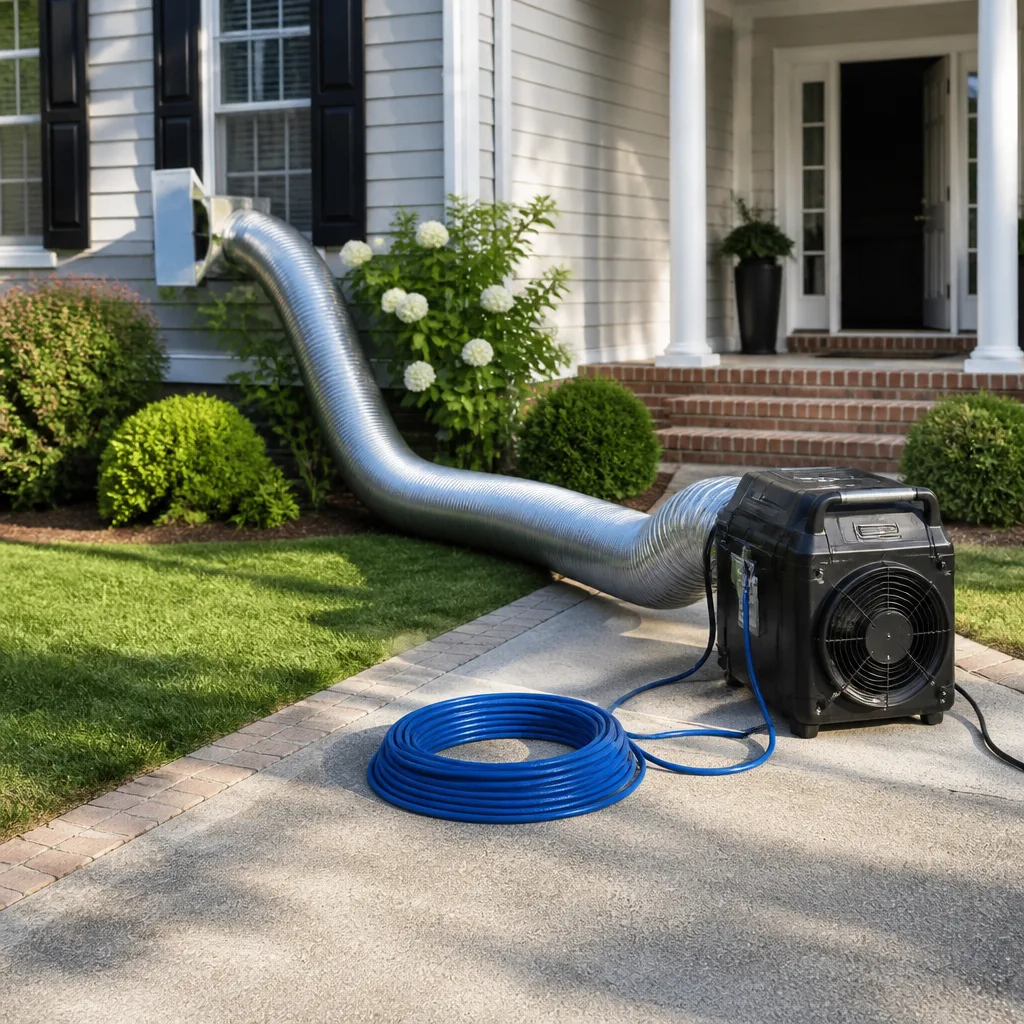 Whole-home duct cleaning
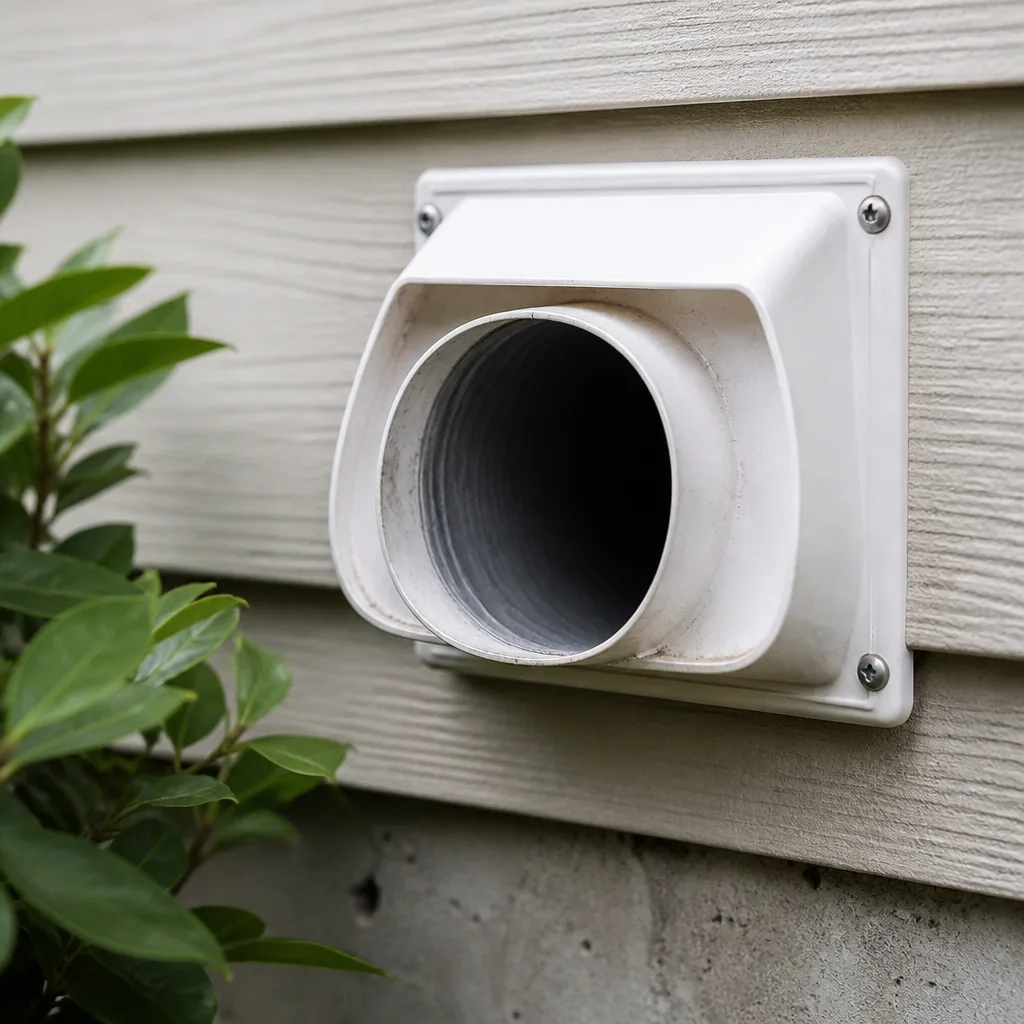 Dryer vent cleaning
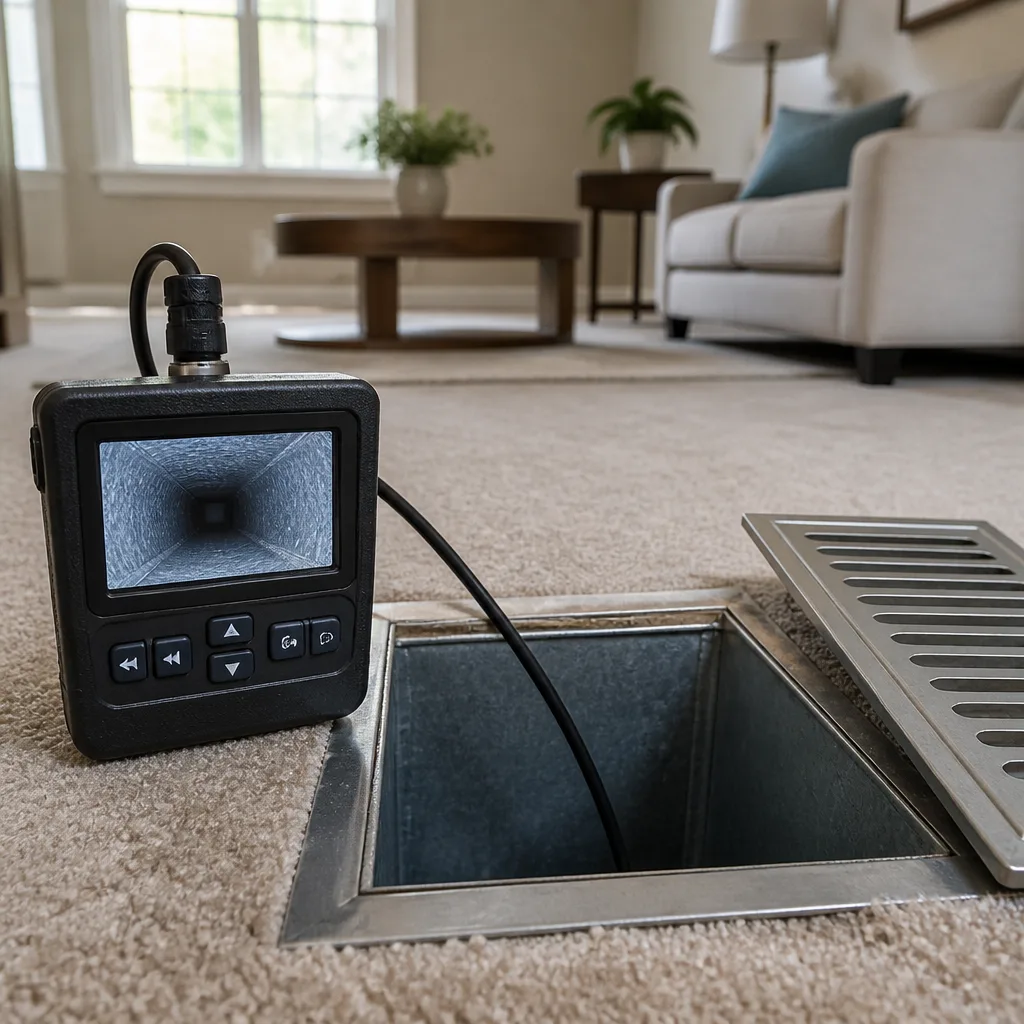 Camera inspection
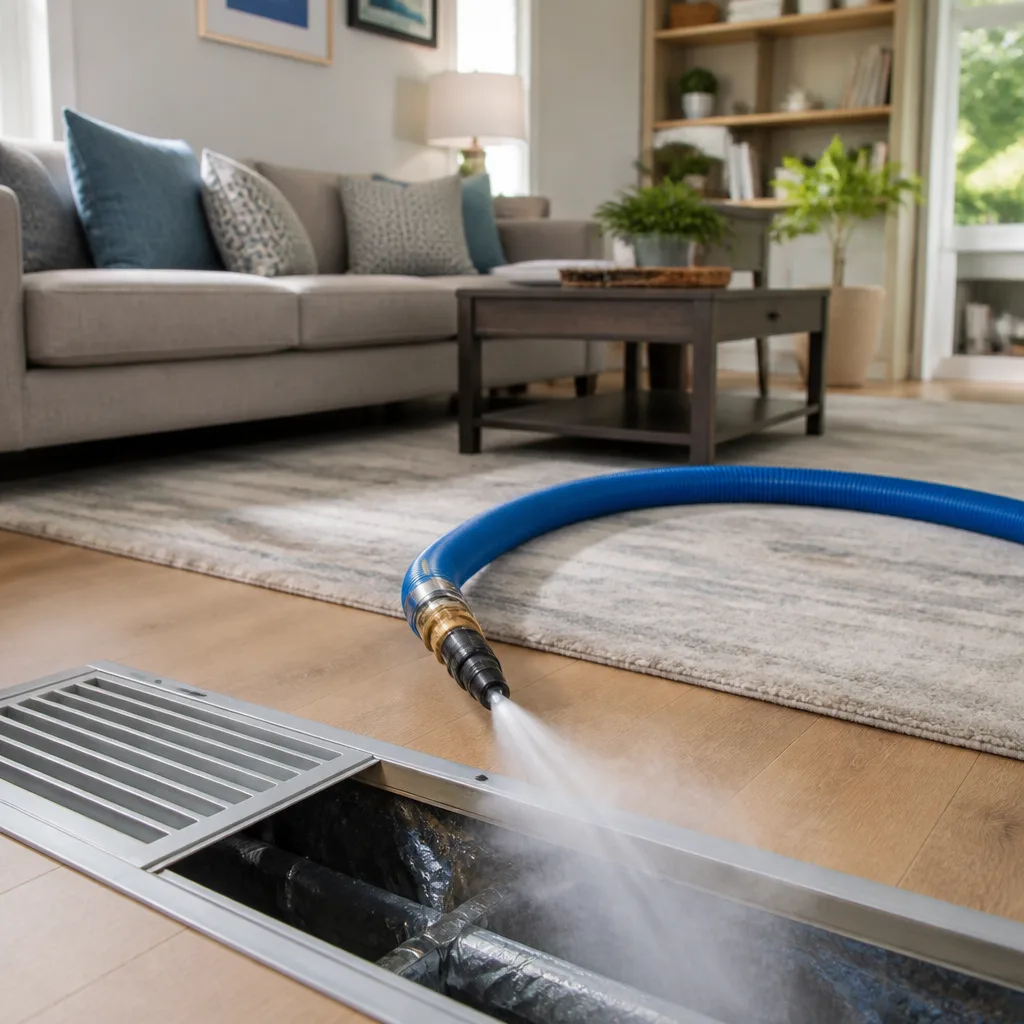 Sanitizing & deodorizing
Whole-system duct and dryer vent check with before-and-after photos - you see exactly what came out of your vents
That "$99 whole-house special" is a bait ad - the real number appears once they are in your hallway, or the "clean" is a shop-vac at the register. We photograph the inside of your ducts before and after instead.
Air Duct Cleaning Warning Signs: A Lafayette Homeowner’s Reference Guide
Dust drifting out of your supply registers is a late-stage warning sign, not an early one. By the time you can see debris blowing into a room, the system has usually been collecting contamination for a year or two, and the cheaper fix has already passed. The earlier indicators are subtler: a bedroom that won’t hold temperature, a faint smell that shows up only when the heat kicks on, a register that pushes noticeably less air than the one across the hall. This guide maps those observable signs to their probable mechanical causes, so you can describe what’s actually happening in your Lafayette home instead of telling a technician “something seems off.”
Quick Answer
The most reliable early warning signs of dirty air ducts are uneven airflow between rooms, a musty or burning-dust smell that appears when the HVAC system starts, visible dust settling faster than usual on furniture and registers, and allergy symptoms that track with furnace runtime rather than with the calendar. Visible debris blowing from a register is a later sign. Some symptoms point to a cleaning need, and some point to a duct leak or gap that cleaning won’t fix – telling those apart before anyone arrives is the whole point of this reference.
Styles & brands we work with
- Whole-home duct cleaning
- Dryer vent cleaning
- Camera inspection
- Sanitizing & deodorizing
Table of Contents
- Airflow and Pressure Signs: What Weak Registers Tell You
- Odor Profiles: Musty, Burning Dust, and Chemical Smells
- Allergy and Asthma Symptoms Tied to HVAC Runtime
- The Flashlight-and-Mirror Register Inspection
- Warning Signs That Cleaning Won’t Be Enough
- A Separate Warning Sign: Your Dryer Vent
- How to Document What You’re Seeing Before You Call
- Frequently Asked Questions
Airflow and Pressure Signs: What Weak Registers Tell You
A room that never quite reaches the thermostat setting is the single most common early complaint we hear in Lafayette, and it rarely means “the furnace is going.” It usually means the duct run serving that room is restricted, leaking, or badly balanced. Air takes the path of least resistance, so a leak at a joint or a collapsed flex run upstream of a bedroom steals the volume that room was supposed to get. You feel the result as a register that pushes a thin stream instead of a full one.
Here’s how to read what you’re feeling. Hold a tissue against a supply register for a few seconds and compare it to another register on the same system. A visible difference in flutter is meaningful. So is heat that arrives at the far bedroom minutes after the near one, or a room that goes cold the moment the blower stops because it was never getting real volume to begin with.
The distinction matters because these symptoms split into two buckets:
- Restriction: debris buildup, a crushed or kinked flex duct, a closed damper, furniture blocking a return. Cleaning plus airflow correction addresses this.
- Leakage: gaps at joints, disconnected sections, unsealed boots where the duct meets the drywall. Cleaning alone won’t fix this – it needs repair and sealing.
Colorado’s dry air and big seasonal temperature swings work on duct joints year after year, and foil tape and mastic crack over time. In our experience across Lafayette homes, a register that lost its push usually has a physical cause you can find, not a mystery. A trained technician can tell the two apart quickly with a pressure reading rather than a guess, which is one reason air duct cleaning starts with an inspection rather than a vacuum.
- Compare tissue flutter at every supply register on the same system.
- Note which rooms are slow to heat or cool and which go stale when the blower stops.
- Check that no supply or return is blocked by furniture, rugs, or a closed damper.
- Note whether the slow room is on the longest duct run – the far end is always the first to suffer.
Odor Profiles: Musty, Burning Dust, and Chemical Smells
Smell is the most diagnostic warning sign a homeowner has, because different smells point to different problems. A musty, wet-cardboard smell that appears when the system starts is the strongest single indicator of moisture somewhere in the system – a damp return, condensation on cold ductwork, or a filter that’s been wet and never fully dried. Musty is never just “old house smell.” It means water is reaching a surface that stays damp, and that surface is feeding something.
Burning dust is different and usually harmless in a specific way. The first time the heat runs for the season, dust that settled on the heat exchanger during the off months cooks off, and you get a short-lived smell that fades in minutes. If the burning-dust smell happens every time the heat comes on, all season, that’s no longer the harmless kind – it points to a dust load the system keeps reintroducing. That load is what a cleaning is meant to remove.
The third profile is the one homeowners describe least accurately: a chemical or synthetic smell, sometimes like hot plastic or solvent. That suggests a new contamination source – a failed duct liner, adhesive breaking down, or something drawn into the return that shouldn’t be there. Treat it as a call-us-now sign rather than a wait-and-see sign. Here’s the quick mapping:
- Musty / earthy: moisture intrusion. Cleaning plus finding and fixing the moisture source.
- Burning dust, first heat of the season: normal settling, fades quickly.
- Burning dust, every cycle: accumulated dust in the system being reheated. Cleaning territory.
- Chemical / hot plastic: liner degradation or an off-gassing source. Investigate before running the system hard.
- Dryer-lint smell near the laundry: not a duct issue at all – see the dryer vent section below.
If a smell is strong, persistent, or chemical, shut the system off and have it looked at rather than cycling air through the house. A trained technician can trace the source instead of masking it with a deodorizer, which is the difference between solving the problem and covering it.
Allergy and Asthma Symptoms Tied to HVAC Runtime
Here’s the test that separates duct contamination from every other indoor air-quality cause: do the symptoms track with your furnace or AC runtime, or with the calendar? If a family member’s congestion, sneezing, or coughing gets worse in the hours after the system has been running, and better on mild days when the HVAC sits idle, that’s a runtime correlation and it points toward the air the system distributes. If symptoms follow pollen season regardless of whether the heat is on, you’re looking at an outdoor source and the ducts are a smaller part of the story.
We’re careful not to overstate this. Ducts don’t cause allergies, and a cleaning isn’t a medical treatment. What ducts can do is hold and redistribute settled debris – dust, lint, pet dander, and whatever the return pulled in during the last heating season – every time the blower runs. In a Lafayette home with a shedding pet or a recirculating whole-house system, that redistribution is real and it’s measurable by whether symptoms ease on idle days.
Two more honest distinctions:
- A single bedroom is the problem: that’s usually a supply-run issue specific to that room, not whole-home contamination.
- The whole house is the problem and it’s worse when the system runs: that’s a system-wide sign, and whole-system HVAC cleaning plus a look at filtration is the reasonable next step.
If you already run a Honeywell or Aprilaire whole-home filter or media cabinet, a sudden worsening of symptoms often means the filter is overdue or installed wrong, not that the ducts are dirty. Check that first. It’s a five-minute check that saves a service call and it’s the honest starting point we recommend.
The Flashlight-and-Mirror Register Inspection
You can inspect your own registers in twenty minutes with a flashlight and a hand mirror, and what you’re looking for is color, texture, and depth – not “is there dust” (there’s always some dust). This is the check that separates a “get to it when you can” system from a “book it now” system. Do it on a supply register in the room where you’ve noticed symptoms, and on a return, which usually loads up faster.
Here’s the step-by-step:
- Remove the register grille – most pop off with two screws or a friction fit. Set it aside and wipe it clean so you’re judging the duct, not the cover.
- Shine the flashlight straight down the duct opening. Look at the first six inches, then as far back as you can see.
- Angle the mirror to catch the far wall of the duct and any corners or seams.
- Judge what you see on three things: color (light gray haze is normal; dark gray, brown, or black is accumulation), texture (loose dust is one thing; matted, sticky, or fuzzy buildup is another), and depth (a thin film you can see the metal through is fine; a layer thick enough to hide the surface is not).
- Wipe a fingertip along the inside wall and look at it. A faint gray smudge is expected. A dark streak is a sign.
- Repeat on one return and on the register in your worst-performing room, and snap a phone photo of each so you can compare over time.
What tips the call: fuzzy or matted debris, discoloration that’s clearly not uniform, visible moisture or a musty smell at the opening, or a return packed with lint and pet hair that’s restricting the system. What doesn’t: a uniform light haze, which is normal everywhere and not by itself a reason to book anything. Professional tools go further than a mirror – our technicians use Rotobrush contact-vacuum systems with a camera to see the full run – but the flashlight check tells you honestly whether it’s worth that call.
Warning Signs That Cleaning Won’t Be Enough
This is the section most warning-sign articles skip, and it’s the one that saves the most money. Cleaning removes what’s inside the duct. It does nothing for a duct that’s leaking, disconnected, or crushed. If any of the following are true, the real solution is repair and sealing, and a good cleaning is only step one of that job.
- A room that never gets airflow, no matter the season: restriction or a disconnected run, not just dirt.
- Warm air in a room that should be cool (or the reverse): a duct leak dumping conditioned air into a wall cavity or attic.
- Rattling, whistling, or a new whoosh at a register: pressure escaping a loose joint or a flexible run that’s come apart.
- Dust returning within days of a cleaning: the system is pulling it back in through an unsealed leak.
- Higher energy bills with no change in habits: you’re paying to condition air that’s leaking out of the duct before it reaches a room.
When we find those signs during a cleaning, we fix them on the same visit rather than handing a homeowner a second to-do list and a second appointment with a separate contractor. That’s why duct repair and sealing is a core part of what we do in Lafayette, not an add-on. Clean it, then seal it – sealing a duct you haven’t cleaned just traps the debris behind a neat seal. If your inspection turns up a leak rather than just buildup, say so when you call and we’ll plan the visit around the repair.
One safety note that matters here: the interior of a duct can hide a frayed wire on a leaking connection, and a failed liner can be a genuine air-quality and fire concern. Don’t open or cut into ductwork yourself to chase a problem. That’s the point where a trained technician with the right gear should take over.
A Separate Warning Sign: Your Dryer Vent
Your dryer vent isn’t part of the air-duct system, but it deserves a place in any warning-sign reference because it’s the one duct in your home with a fire consequence attached. Lint that collects in a dryer vent restricts airflow, and restricted airflow means the dryer runs hotter and longer for the same load. The National Fire Protection Association has documented dryer vents as a leading cause of residential house fires, and the warning signs are easy to see once you know them.
Watch for these:
- Clothes take noticeably longer than they used to, or need a second cycle to finish.
- The dryer feels hot to the touch on its cabinet or the top is warm long after it stops.
- A lint smell lingers in the laundry room after a load.
- The outdoor vent flap doesn’t open fully, or lint is visible around it.
- The lint filter fills up faster than normal, which often means lint is bypassing it into the line.
Two of these at once is enough to book a dryer vent cleaning. It’s a short, contained job and it’s the one place in your house where the “wait and see” approach carries real risk. If you’ve never had the dryer vent cleaned since moving in, that alone is a reason to book it and stop guessing.
How to Document What You’re Seeing Before You Call
The better you can describe the problem, the faster and more accurately it gets solved. A homeowner who says “the back bedroom never gets warm, the return smells musty when the heat kicks on, and I saw matted gray debris in the supply register” gives a technician a working diagnosis before anyone opens a door. A homeowner who says “something seems off” gets a broader guess. Here’s how to document it:
- List each room with a symptom and which symptom – no heat, weak airflow, smell, dust.
- Note whether the smell appears only at startup (runtime correlation) or all the time.
- Photograph one supply and one return interior with the grille off.
- Note when the filter was last changed and what kind you use (standard, or a Honeywell or Aprilaire media cabinet).
- Write down whether symptoms track the HVAC or the calendar, as covered above.
- Note any recent changes – new flooring, a remodel, a pet, a new appliance – since contamination sources usually arrive with a change.
That list is the difference between a one-visit solution and a return trip. We build estimates around exactly that detail, and the inspection that confirms it is part of the job, not an extra step. Our technicians have up to 12 years of experience reading these signs, and a clear description from you shortens the whole process.
See the difference
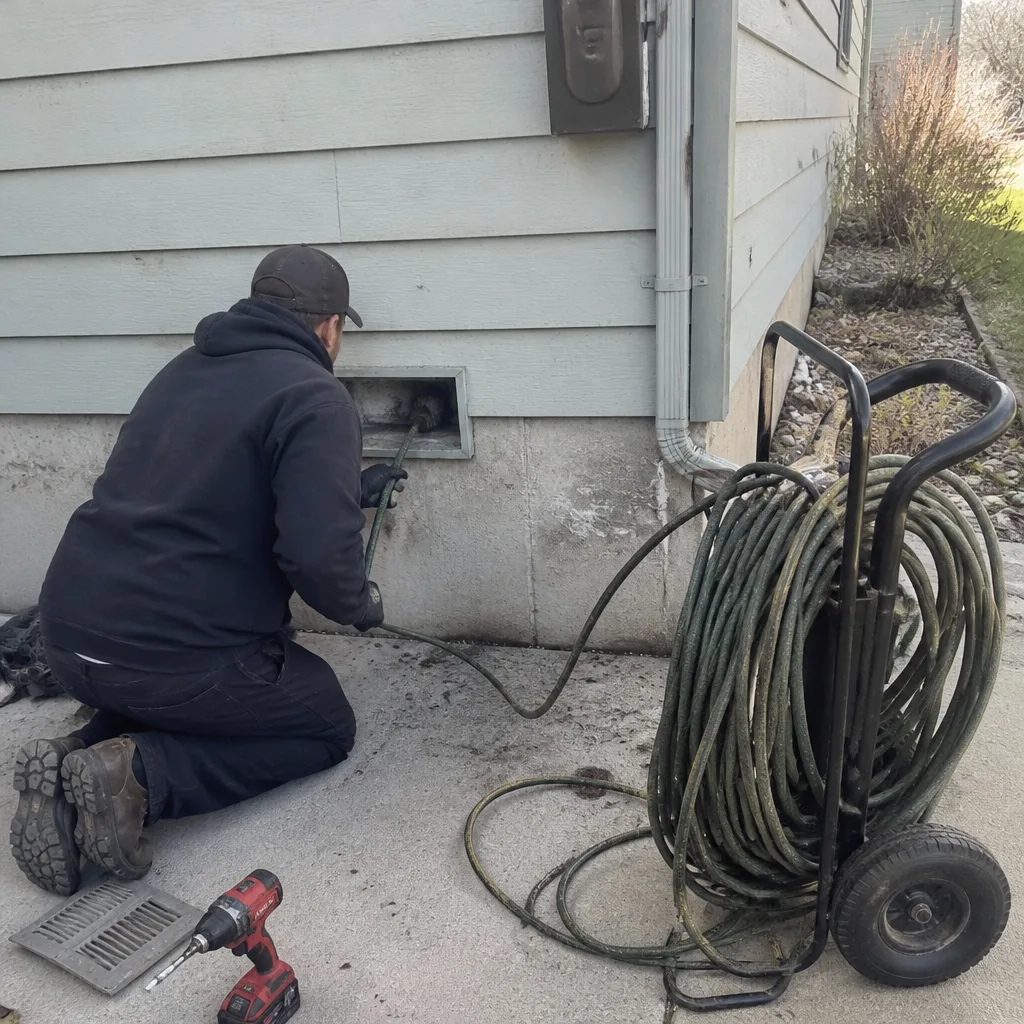 Before
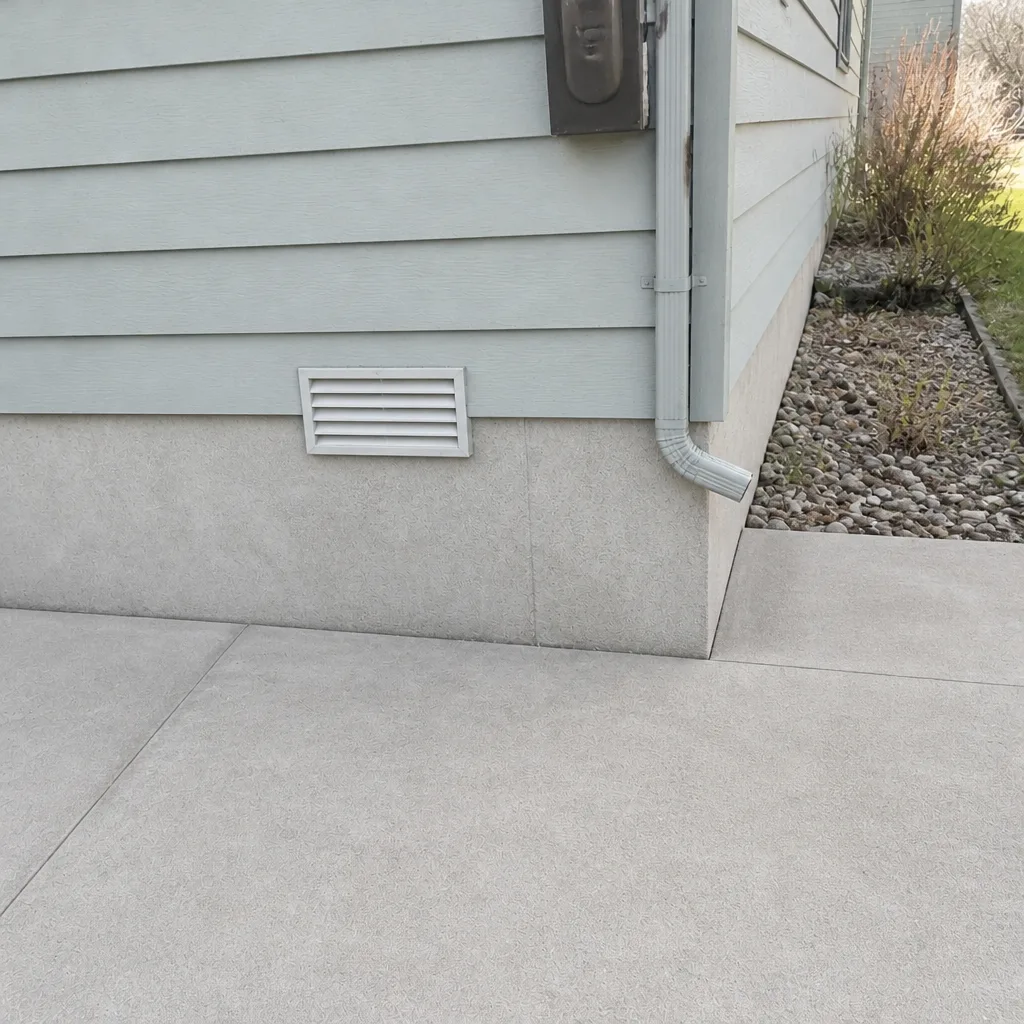 After
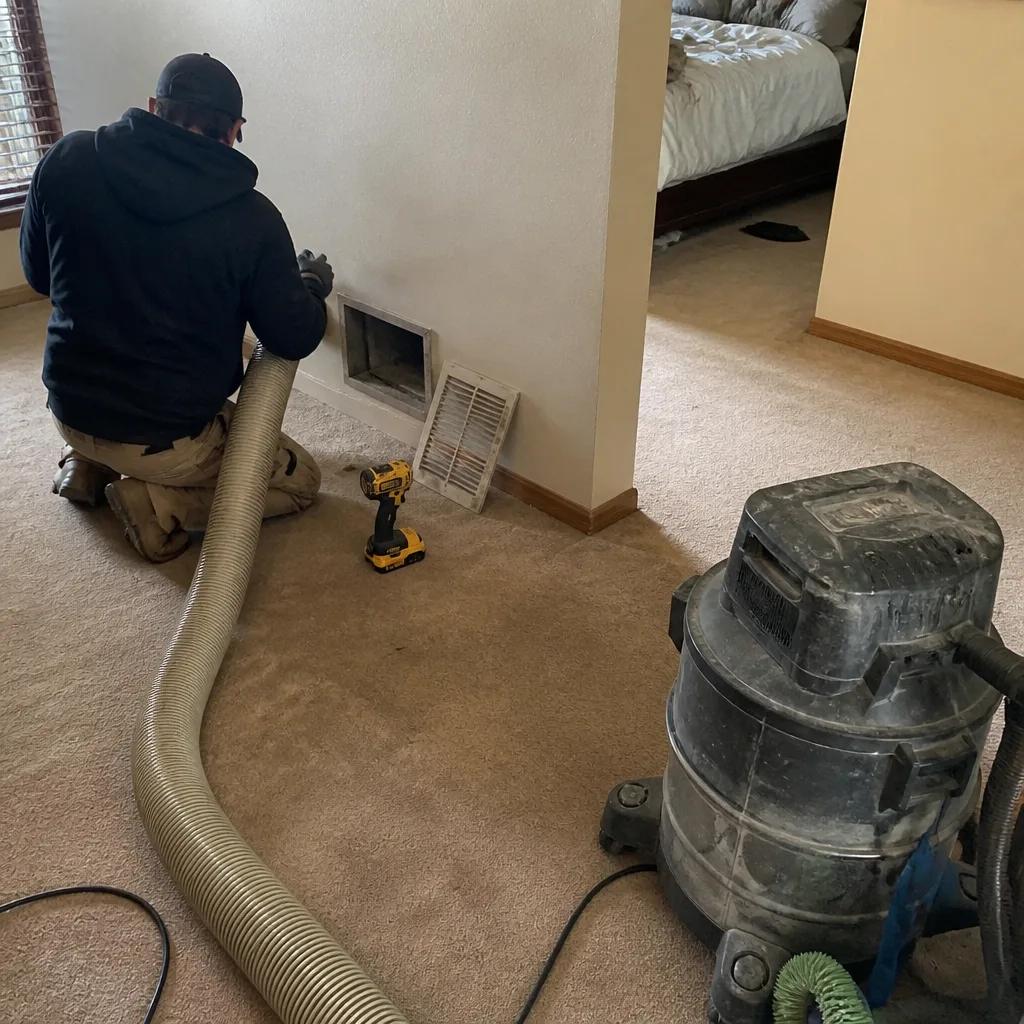 Before
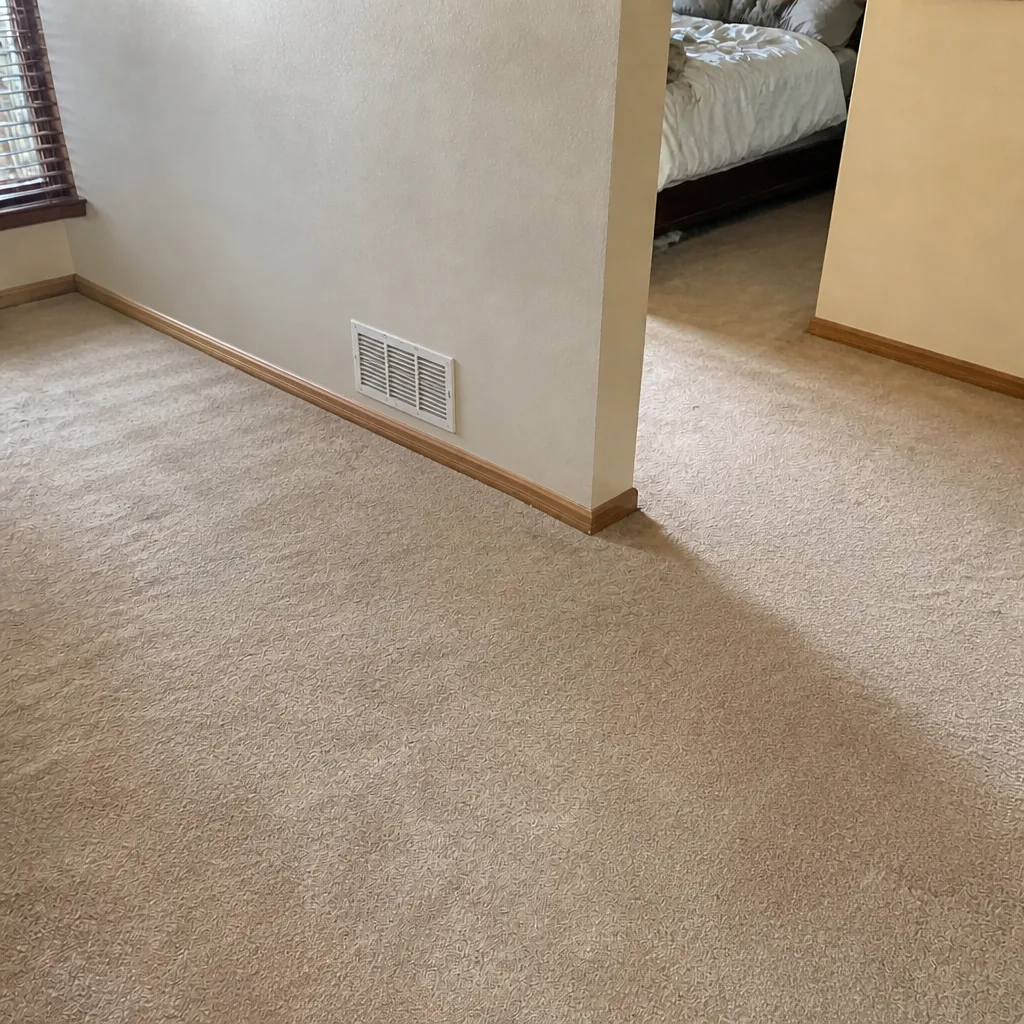 After
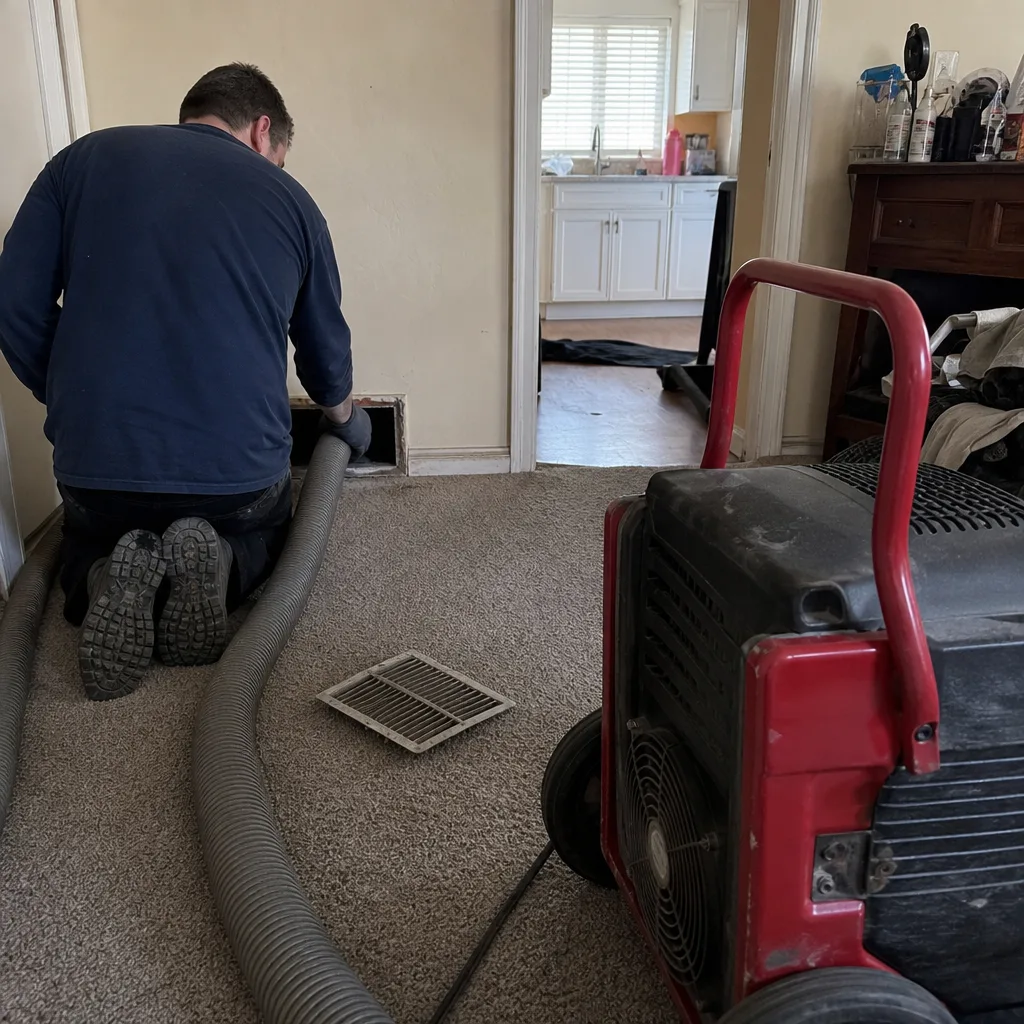 Before
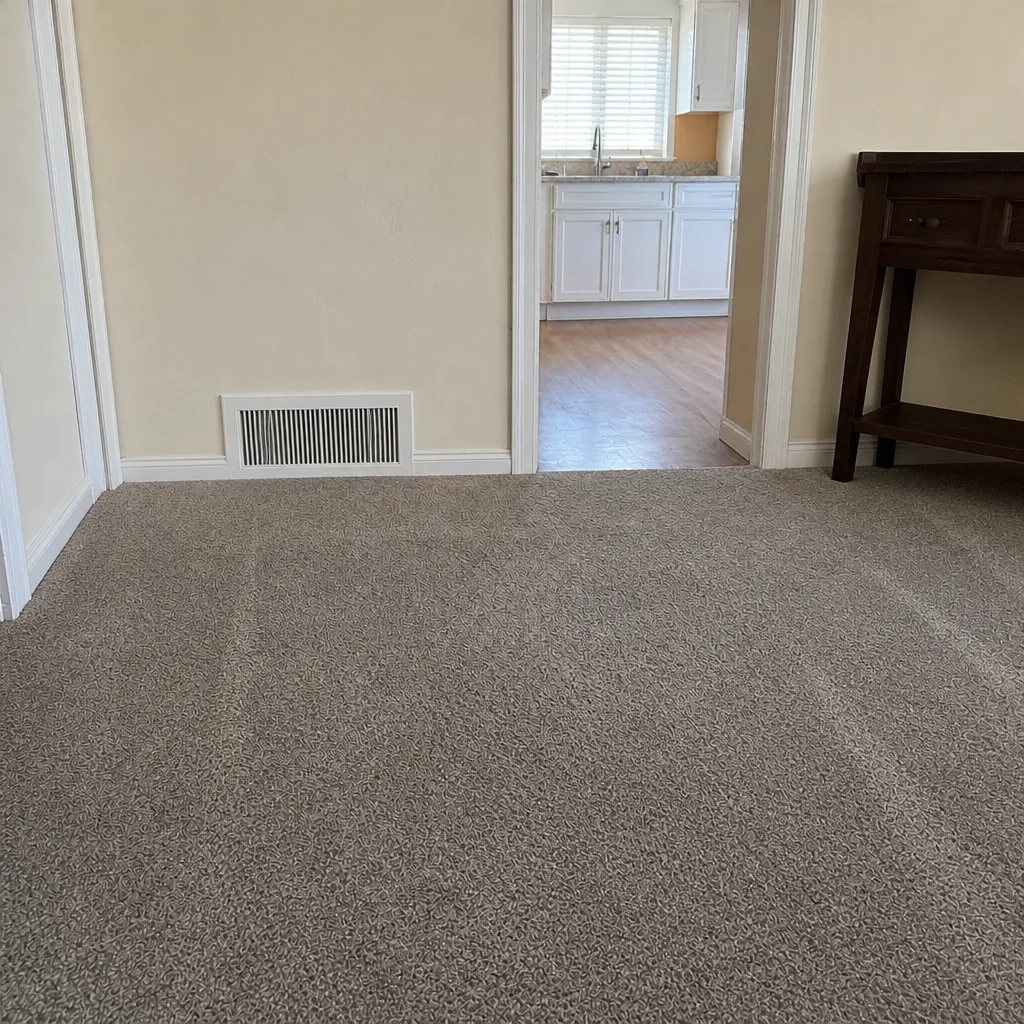 After
Common Mistakes to Avoid
- Judging the system by the register grille alone. The cover collects dust fast and tells you nothing about what’s inside the duct. Pop it off and look at the duct itself before you decide.
- Treating visible blowback as the only signal. Debris blowing from a register is a late-stage sign. The airflow, smell, and runtime-symptom checks catch the problem a year or more earlier.
- Cleaning before finding a leak. If the ducts are leaking, cleaning alone won’t hold up – the system pulls dirt back in through the same gap. Repair and sealing need to be part of the same conversation.
- Masking a smell instead of finding it. A deodorizer covers a musty smell the same way a scented candle does – the moisture source is still there. Find the source before any sanitizing.
- Assuming a high-end filter fixes dirty ducts. A Honeywell or Aprilaire media cabinet filters the air that reaches it. It doesn’t clean interior debris, and a filter is not a duct cleaning.
- Skipping the dryer vent because it’s “just the dryer.” It’s the highest-consequence duct in the house. If you can’t remember the last time it was cleaned, that’s your warning sign.
- Booking on price alone without a look inside. A quote that never walks the system and opens a register isn’t a diagnosis. Expect a real inspection before any work starts.
When to Call a Professional
Call us when you’ve confirmed more than one sign on this page rather than a single symptom, when a smell is musty or chemical and persistent, when a room has never gotten proper airflow no matter what you do, or when your dryer vent hasn’t been cleaned and the dryer is running hot. If your flashlight inspection shows matted, discolored, or deep debris, that’s a confirmed call. We answer what you describe honestly – sometimes the answer is “that’s a filter, replace it,” and sometimes it’s a full-system cleaning and a seal. Lafayette Air Duct Cleaning Pros offers free estimates in Lafayette – call (877) 792-6649. We answer 24/7. Fast dispatch from 7am to 7pm, Sunday through Friday. When we come out, the estimate is written, the price is set per job before work starts, and you’ll see before-and-after photos of your own ducts, not a stock photo.
Frequently Asked Questions
Duct cleaning in Lafayette is priced per job by a written estimate after an inspection, and the accurate price depends on the size of the system, how many runs it has, how much contamination is present, and whether repair or sealing is needed – which is why we don’t quote a per-vent figure or a coupon price over the phone. Expect the estimate to be set in writing before any work starts. Call (877) 792-6649 for an exact quote – estimates are free.
Cheap quotes usually rest on one of three shortcuts: a low teaser price that climbs once the technician is on site, consumer-grade vacuums instead of equipment built for the job, or a quick pass that skips the full run. We name our equipment on purpose – Rotobrush contact-vacuum systems and Nikro cleaning units on every job, with Abatement Technologies negative-air containment when the work calls for it – because a professional job is equipment-defined. One flat price per system, agreed before work starts, is what we hold to. Call (877) 792-6649 for a written estimate.
You know because you see before-and-after photos of your own ducts, and because the price was agreed in writing before anyone started. The best safeguard is to be present at the pre-work inspection and to ask for the photos at the end. A real cleaning changes what’s inside your ducts visibly; ask to see the change. Call (877) 792-6649 for a free estimate and we’ll walk you through what we measure and photograph on your system.
There’s no fixed schedule that fits every home. Homes with pets, recent remodeling, allergy sufferers, or a long gap since the last cleaning usually need it sooner than a clean, low-dust home does. The honest answer is to let the warning signs on this page tell you – a musty smell, runtime-tracked symptoms, or confirmed debris in a register inspection are better signals than a calendar. If you’re unsure, the inspection is free. Call (877) 792-6649.
Two things in Lafayette specifically matter. Dry air and large seasonal temperature swings stress duct joints and flex runs, which is why leaks and disconnected sections show up. And the dry air makes fine dust and lint stay airborne longer once the system disturbs it, so recirculated debris is more noticeable. Neither means you need more frequent cleaning than anyone else – it means leak-and-seal matters as much as cleaning here as it does anywhere. Call (877) 792-6649 to have your system checked.
Sometimes, and sometimes not. If debris or a crushed flex run is the restriction, cleaning and airflow correction fixes it. If the room has a duct leak or a disconnected section, cleaning won’t solve it on its own – repair and sealing will, and we handle that on the same visit. The inspection tells you which one you’re looking at. Call (877) 792-6649 for a free estimate.
The Bottom Line
Dust at the register is the visible end of a problem that’s been building for a year or two. The useful signals come earlier: uneven airflow between rooms, smells that track the HVAC startup, and symptoms that follow the furnace rather than the season. Check your registers with a flashlight and judge color, texture, and depth. Then ask the question most warning-sign lists skip – is this a cleaning problem, or is this a leak? Repair and sealing often decide the answer, and getting it right before anyone arrives is the point of this guide. Written for Lafayette homes with dry Colorado air and hard-working duct systems.
If your inspection confirms a real signal, don’t sit on it. Lafayette Air Duct Cleaning Pros offers free estimates in Lafayette, cleans and seals a whole system in one engagement, and documents the work with before-and-after photos. Call (877) 792-6649. We answer 24/7. Fast dispatch from 7am to 7pm, Sunday through Friday. Professional-grade equipment, residential pricing – clean it, seal it, breathe it.
Written by the team at Lafayette Air Duct Cleaning Pros.