
Last updated November 25, 2026
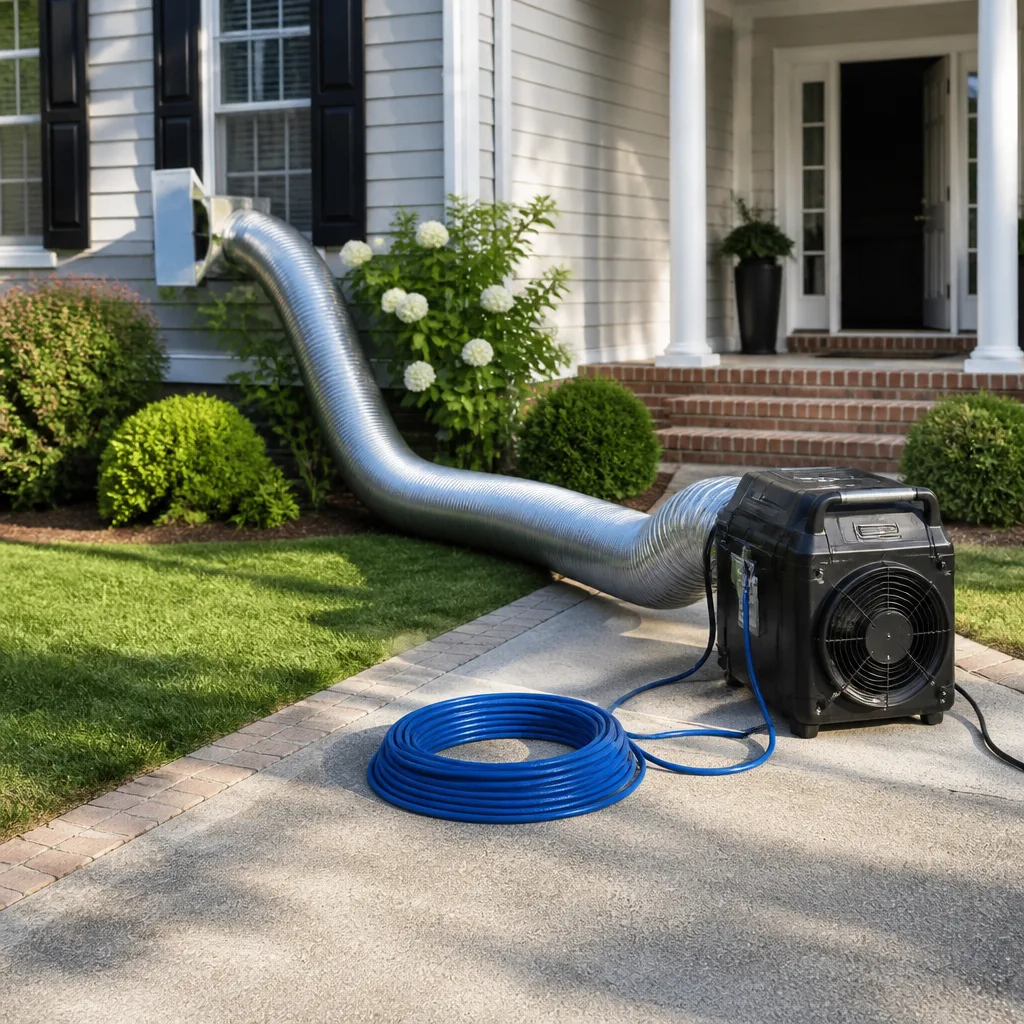 Whole-home duct cleaning
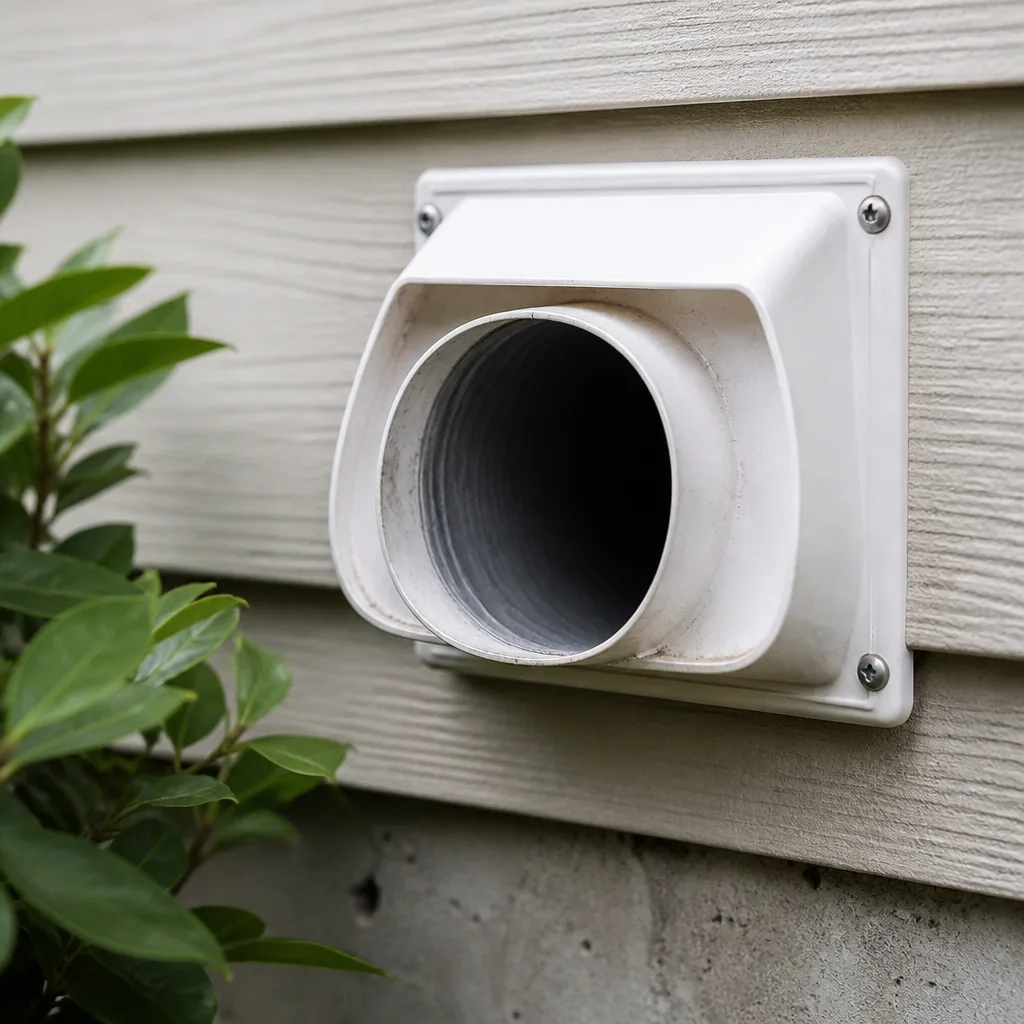 Dryer vent cleaning
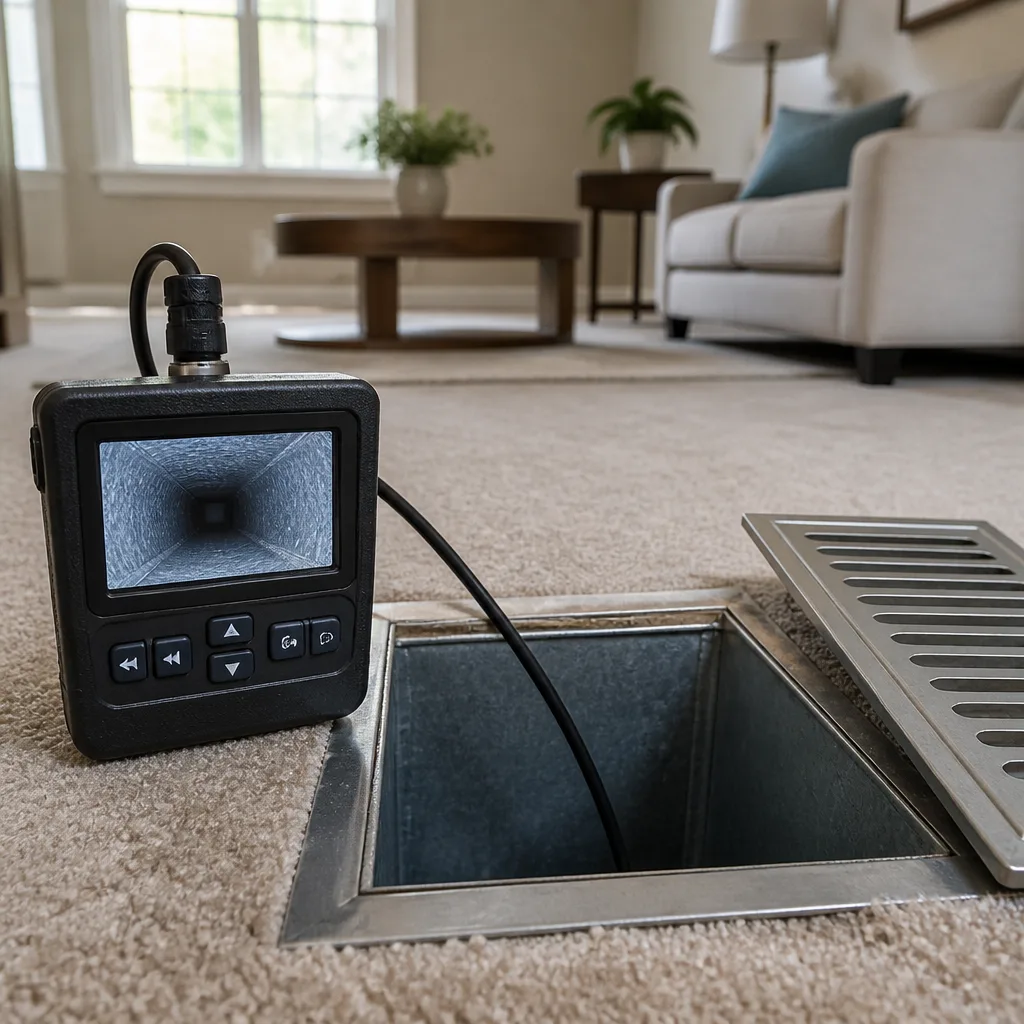 Camera inspection
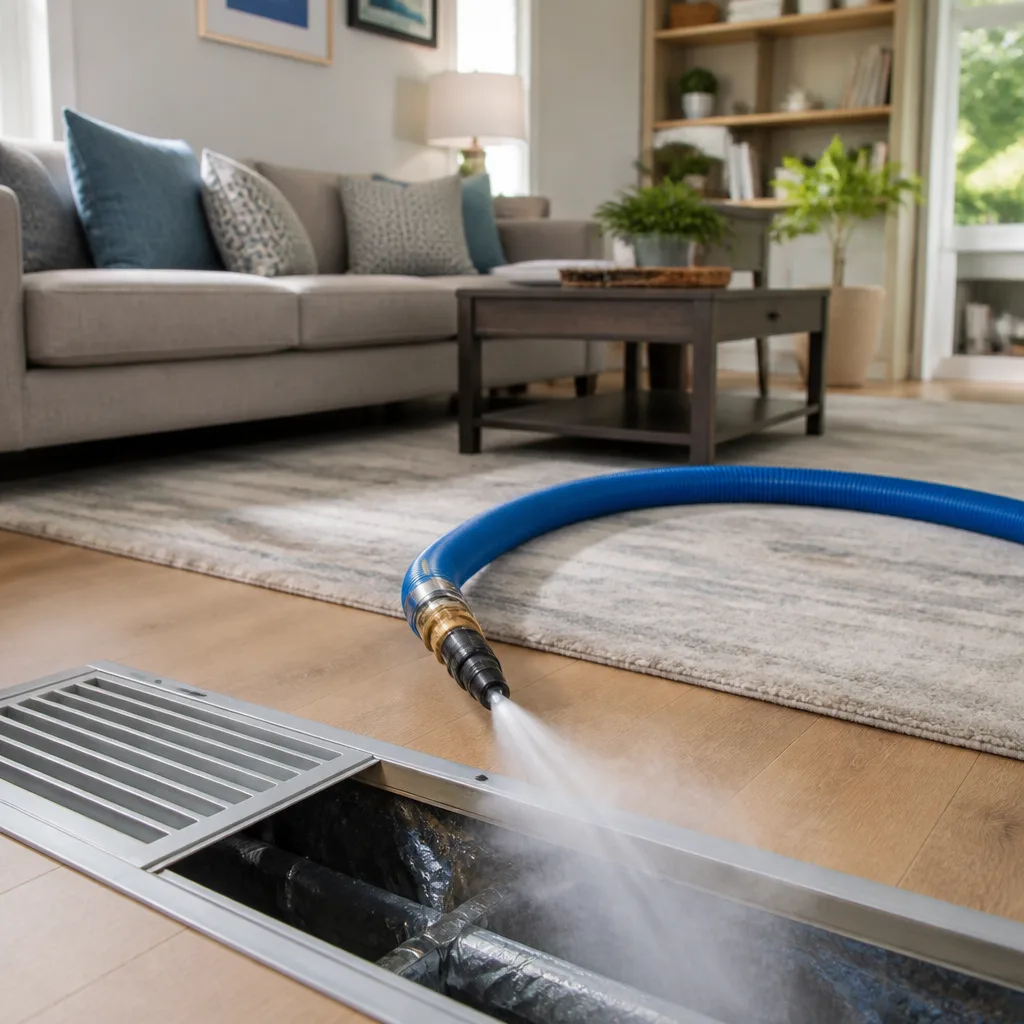 Sanitizing & deodorizing
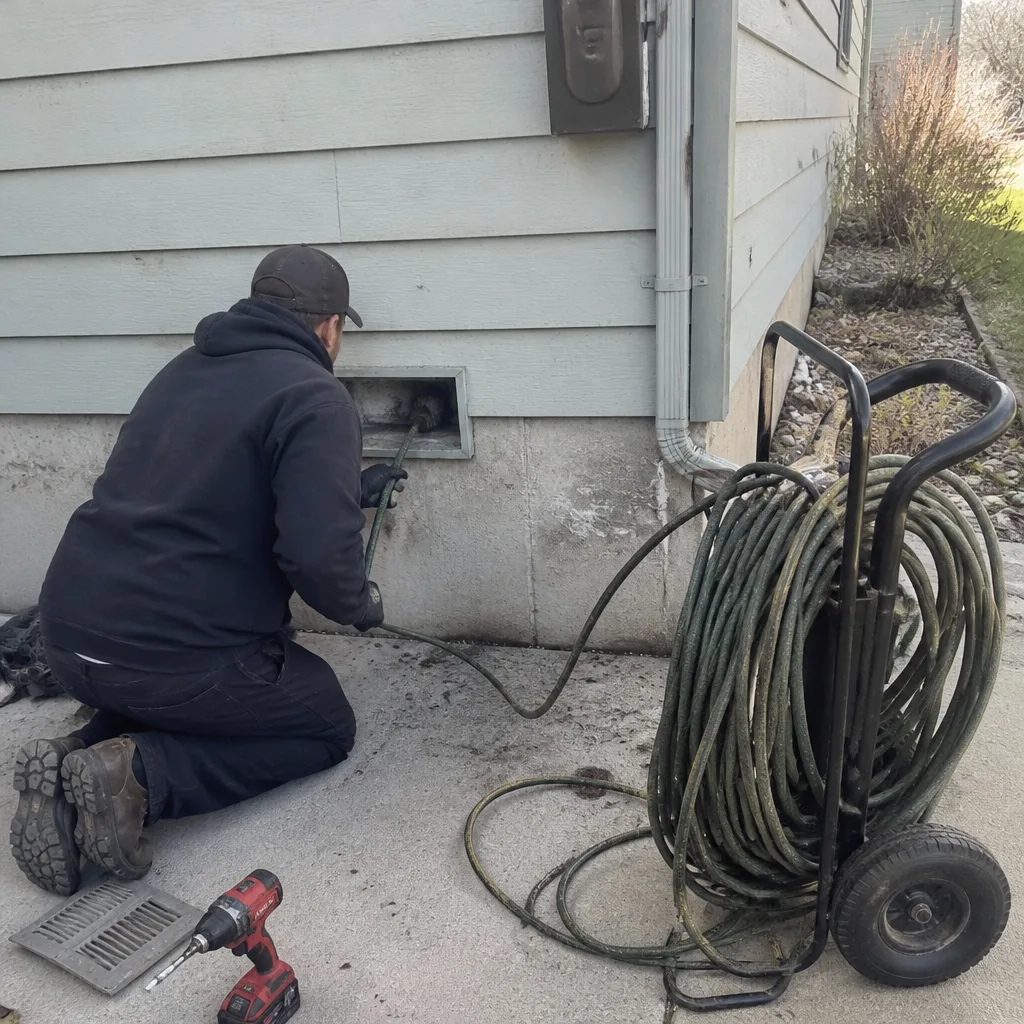
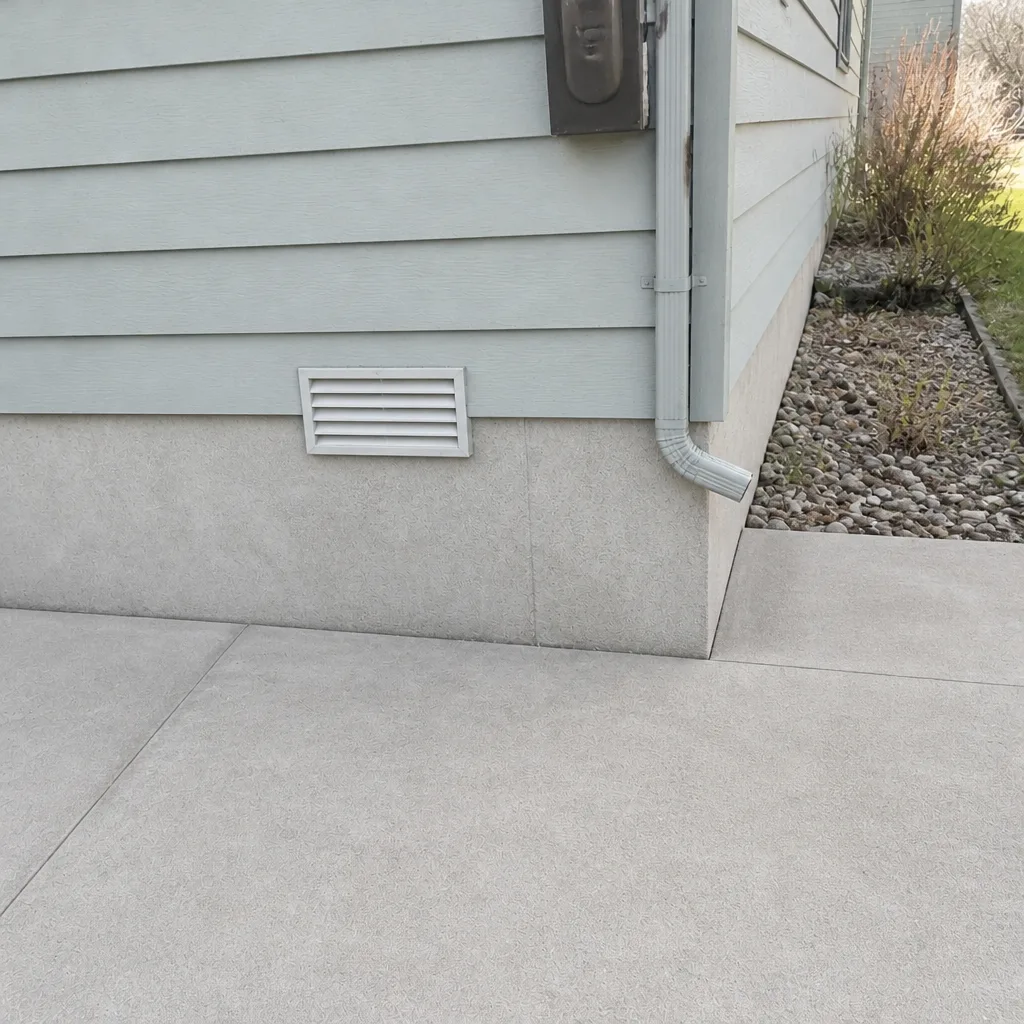
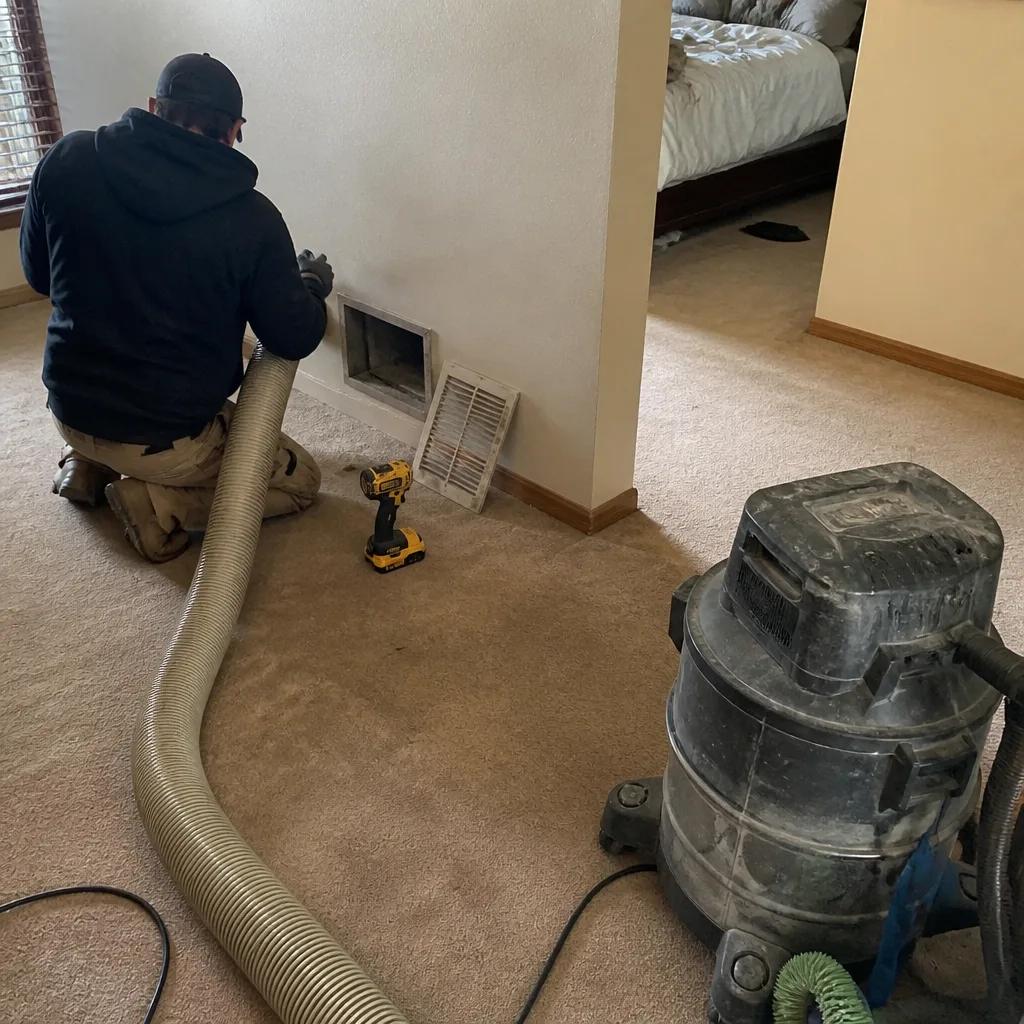
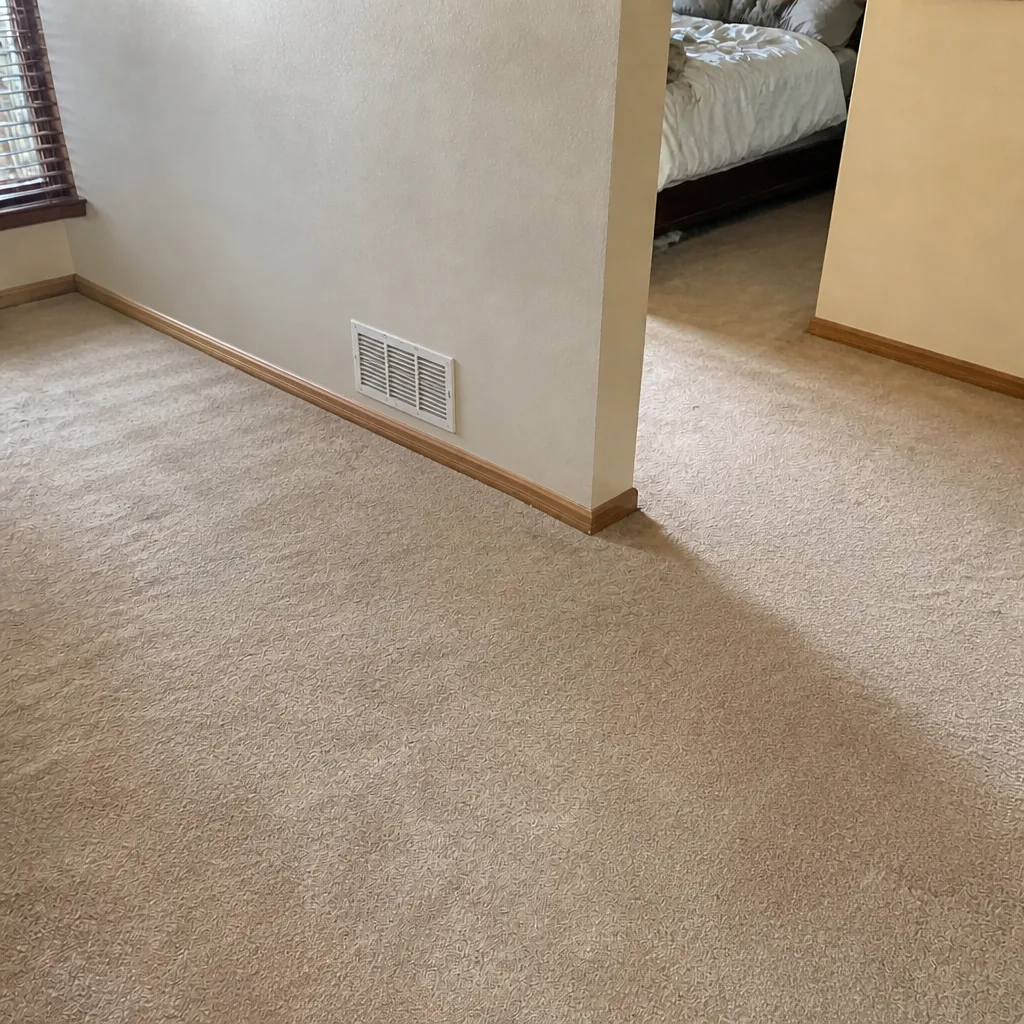
Whole-system duct and dryer vent check with before-and-after photos - you see exactly what came out of your vents
That "$99 whole-house special" is a bait ad - the real number appears once they are in your hallway, or the "clean" is a shop-vac at the register. We photograph the inside of your ducts before and after instead.
The Complete Guide to Air Duct Cleaning in Lafayette
Most air duct guides are written for a hypothetical average American home. Lafayette isn’t that home. This city sits at 5,236 feet, pulls air through the Rocky Mountain corridor, and carries a large share of homes built during the 1980s through early 2000s boom that still run original builder-grade flex duct. That combination changes how fast ducts load up with dust, what a thorough clean actually requires, and how you should verify the job was done. In this guide we cover how Lafayette’s elevation and dry air affect your ductwork, what equipment a real clean demands, the difference between source removal and blow-and-go, and how to check the work. If you’d rather just get a straight answer on cost and scheduling, start with the Quick Answer below.
Quick Answer
Air duct cleaning in Lafayette is source removal cleaning of the entire system – every supply and return run, the plenum, the blower, and the coil – done with rotary brush and contact-vacuum equipment under negative pressure, not a shop vac run over the registers. Most Lafayette homes need it every three to five years rather than the five to seven you’ll see in national guides, because high-altitude dust and wildfire smoke season push more particulate into the system each year. If you suspect your ducts are affecting allergies or your energy bill, the right first step is an inspection, not a coupon.
Styles & brands we work with
- Whole-home duct cleaning
- Dryer vent cleaning
- Camera inspection
- Sanitizing & deodorizing
Table of Contents
- Why Lafayette Ducts Get Dirty Faster Than You’d Expect
- The Flex Duct Problem in Lafayette’s 1990s-2005 Housing Stock
- What Equipment a Real Duct Cleaning Actually Requires
- Source Removal vs. Blow-and-Go: The Difference That Matters
- How a Professional Duct Cleaning Works, Step by Step
- How to Verify the Job Was Actually Done
- What Air Duct Cleaning Costs in Lafayette
- How Often Do Lafayette Ducts Really Need Cleaning?
Why Lafayette Ducts Get Dirty Faster Than You’d Expect
Lafayette’s elevation and climate are the two biggest variables in how quickly your duct system accumulates particulate, and most national duct cleaning content ignores both. Understanding them tells you more about your cleaning schedule than any generic “every three to five years” recommendation ever will.
At 5,236 feet, the air here is thinner and drier than at sea level. Relative humidity stays low for most of the year, and dry air means particulate stays airborne longer instead of settling out. What that translates to inside a home is more dust suspended in the air the return duct is pulling through, and a filter that fills up faster than the same filter would in a humid climate. Add the constant wind off the Front Range and the seasonal wildfire smoke that drifts into the corridor during summer and fall, and you have a duct system taking on more load than a national average home.
The surrounding geography matters too. Lafayette is bordered by open grassland and agricultural land to the east and foothills to the west. Spring wind events and dry summer months push fine dust and pollen into the outdoor air, which the HVAC system pulls in through the return and the fresh-air intake. If your home has a Honeywell or Aprilaire whole-home filtration system, that equipment is doing real work here – and it works best when the ductwork downstream isn’t already coated.
What we look for in a Lafayette home is accumulation that’s heavier on the return side and the runs closest to the outdoor intake. Those are the sections that see the most particulate load, so they tend to set the cleaning interval for the whole system. When we inspect a home, we check those runs first because they tell us the fastest path to a real answer.
None of this is a sales pitch. It’s the reason a Lafayette homeowner is often surprised by how much comes out of a duct system only a few years after the last clean. The altitude, the dry air, and the Front Range dust load are the variables that matter most here.
The Flex Duct Problem in Lafayette’s 1990s-2005 Housing Stock
If your home was built during Lafayette’s major development waves from the 1990s through 2005, there’s a good chance your supply runs are builder-grade flex duct – the ribbed, foil-wrapped, insulated flexible duct that was standard in that era. Flex duct has legitimate advantages: it’s fast to install, it can turn corners, and it’s cheaper. It also has two problems that matter for cleaning.
The first is that flex duct’s inner liner is a ribbed corrugated surface. Where smooth metal duct lets dust move downstream toward the filter or the return, that ribbing catches it. Every ridge is a place where lint, dust, and pet hair can bind. Over the course of a couple of decades, that adds up.
The second problem is damage. Flex duct can sag between supports, kink at a bend where it was pulled too tight, and separate at the collar where it connects to the boot or plenum. A sag or a kink restricts airflow and creates a dead zone where dust settles. A separation leaks conditioned air into the attic or crawl space – which shows up as an energy bill you can’t explain and a room that never quite heats or cools the way the rest of the house does.
Here’s the practical implication: we inspect flex duct before we clean it. Running a rotary brush through a flex run that’s torn or sagging can make the problem worse. If the duct needs repair or resealing, that gets addressed first. This is one of the reasons duct repair and sealing is a core part of what we do rather than an upsell – if we find a separation during inspection, we fix it on the same visit instead of telling you to call a second contractor.
- Look for sagging in the attic or crawl space – flex runs should be supported and relatively straight
- Check for kinks at bends, especially where the run turns toward a register boot
- Look for foil wrap that has pulled away at the collar connections
- Test rooms that never get comfortable – a separated flex run often explains it
- If you have a 2003-era build, expect original flex duct and plan for inspection before cleaning
What Equipment a Real Duct Cleaning Actually Requires
Duct cleaning equipment falls broadly into two categories: contact tooling and the vacuum. Both need to be professional grade. A residential job done right needs a negative-pressure vacuum large enough to hold the whole system under suction while the contact tools agitate the dust loose, and contact tools capable of reaching every part of every run. The brands that meet that standard – Rotobrush, Nikro, and Abatement Technologies – are the same tools you’d see on a commercial or restoration job. We name ours because it matters.
Contact tooling: rotary brush and air whip
Two tools do most of the contact work. A rotary brush system spins a soft brush head through each supply run, scrubbing the interior wall and pulling dust into the airstream toward the vacuum. An air whip is a compressed-air tool that snaps around inside a duct run and knocks contamination loose from areas a brush can’t easily reach. They aren’t interchangeable – they solve different problems.
- Rotary brush (like the Rotobrush system): the right choice for straight metal supply runs, where the brush can reach the full wall and pull contamination out toward the vacuum
- Air whip: better for irregular sections, transitions, and boot connections where a brush can’t get full contact
- Both, on the same job: rotary brush on the runs, air whip on the transitions and boot connections, brushing and agitating until the return air clears
Negative pressure: the Abatement Technologies standard
Contact tools do nothing if the duct isn’t under negative pressure while you agitate. That’s what the vacuum is for. On a typical residential job, a portable negative-air unit – the same class of machine used in mold and contaminant abatement work – pulls the whole duct system into suction so loosened contamination goes into the HEPA filter instead of into your living room. Abatement Technologies build negative-air machines used in abatement projects; when we run one on a duct cleaning, the standard of containment is the same.
What you should be asking when you get a quote isn’t “how many vents” or “how long will it take.” It’s “what equipment will you actually bring.” If the answer is “a shop vac and a long hose,” you’re not getting duct cleaning – you’re getting a partial pull from each register that leaves the plenum, the coil, and the far side of every run untouched.
For the full picture of how the equipment stack applies to a whole cleaning – including coil cleaning and plenum work – see our guide to HVAC cleaning.
Source Removal vs. Blow-and-Go: The Difference That Matters
There are two broad approaches to duct cleaning, and the difference between them explains most of the price spread you’ll see in Lafayette quotes. Source removal is the standard method – agitation under negative pressure with the contamination physically removed from the system. Blow-and-go is when a technician hits each register with compressed air or a blower and sends the contamination downstream into the plenum or the air handler, where it may or may not be caught.
Blow-and-go has a few tells. It’s fast. It’s cheap. And it often leaves the duct just as contaminated as it was – except now the dust is in a different place, sometimes in the coil or the plenum, sometimes re-deposited in a run the vacuum never reached. On a home with flex duct and a coil, that’s the worst possible outcome because a fouled coil tanks the system’s efficiency and a coil cleaning is more expensive than the duct clean you thought you were getting.
Source removal works differently. The order matters, and this is the sequence that defines a real job:
- Inspect first. Every run gets checked before any tooling comes out. Flex duct that’s torn or separated gets flagged and repaired before cleaning begins.
- Set negative pressure. The negative-air unit is connected and running before contact tools touch the duct, so any loosened contamination has somewhere to go.
- Open access points. The technician opens access holes at the plenum and at each run as needed, and reseals them when the job is done.
- Agitate each run. Rotary brush on the straight runs, air whip on transitions and boots, working systematically from the trunk outward.
- Clean the air handler and coil. Blower wheel and evaporator coil get cleaned separately – contamination at the air handler doesn’t come out through the supply runs.
- Sanitize if needed. If microbial growth is present (odor, visible growth, moisture history), a sanitizing treatment is applied after cleaning, not before.
- Reseal and verify. Access points get sealed, and the technician walks the system with you before the job is complete.
Source removal takes longer, so it costs more up front. If you’ve had a cheap clean and the ducts still smell or the allergies haven’t improved, the gap between what you paid and what the source removal job would have cost is usually the difference between the two methods. In our experience, the second phone call happens more often than it should.
How a Professional Duct Cleaning Works, Step by Step
Understanding the sequence helps you tell a thorough job from a fast one. The full process – start to finish, including repair and sealing if needed – moves through seven stages.
Step 1: Walkthrough and system mapping
Before any equipment comes out of the truck, the technician walks the home with the customer. Registers, returns, equipment location, any rooms with comfort issues, and any history of water intrusion or pest activity – all of that informs what to check inside the duct system. This step is short but it’s where a lot of problems get caught before they cost more money.
Step 2: Inspection with camera or visual access
The technician runs a camera or opens access points to look inside the duct at multiple locations. On flex duct systems this is non-negotiable. On metal duct systems the tech is checking for surface buildup, seams, and any signs of microbial growth.
Step 3: Protecting the living space
Furniture gets moved or covered, floor protection goes down at the entry points, and the negative-air machine goes on the return before any contact work begins. The whole point of negative pressure is that contamination goes into the HEPA filter, not into the room.
Step 4: Mechanical cleaning from the trunk outward
Rotary brush on the straight runs, air whip on transitions and boots, brush heads sized to the duct. Every supply and return run gets cleaned back to the plenum. Access points are opened as needed and resealed with mastic or foil tape at the end.
Step 5: Air handler and coil cleaning
The blower wheel and evaporator coil get cleaned separately. This is the step most blow-and-go jobs skip, and it’s the step that determines whether your energy bill actually drops after cleaning. A clean duct system feeding a fouled coil is only half a job.
Step 6: Repair and sealing
Any duct damage found during inspection gets repaired and resealed. Gaps at collars, torn flex liner, separated connections, and leaking trunk joints – some of the leaks a Texas duct tech would call “not your problem,” a duct tech in a cold-climate home has to fix to keep the system working. Sealing a leak after cleaning stops new contamination and keeps the efficiency gains you just paid for.
Step 7: Sanitizing and final verification
If microbial growth or odor was present, a sanitizing treatment goes on after cleaning. Then the technician walks the system with you, shows the before-and-after documentation, and reseals the last access points.
If your home also has a dryer vent that’s never been properly cleaned – and many in Lafayette haven’t – that’s a separate but related safety issue. Dryer vent cleaning directly addresses one of the leading documented causes of residential house fires, and it’s worth doing on the same visit. Our dryer vent cleaning service handles that on the same appointment.
How to Verify the Job Was Actually Done
This is the section most homeowners wish they’d read before shelling out a few hundred dollars. Duct cleaning is difficult to verify after the fact because everything happens inside a closed system, and the industry has a reputation problem that comes entirely from jobs that weren’t done. Here’s what a technician should hand you when the job is complete.
The single most important piece of verification is before-and-after photos and video. Not marketing stock images, not one picture of the outside of a duct – actual before-and-after documentation of your duct interior, your air handler, your coil. A technician should be willing to show you the interior at the start and the clean interior at the end, on the same runs. If the answer is “we don’t really do photos,” that’s the answer.
The second piece is a written summary of what was found and what was done. A real job has a real scope. That document should list which runs were cleaned, which were inspected and found damaged, what was repaired, and whether sanitizing was applied. If your home had flex duct that was flagged for repair, the summary should tell you whether it was repaired on the visit or why it wasn’t.
The third piece is access-point resealing. Every access hole the technician opened should be sealed by the end of the job. Walk the equipment area with the technician and confirm – if you see open holes in the ductwork, the job isn’t finished.
The fourth is a simple register airflow test. Ask the technician to demonstrate airflow at every register before and after. Improved, even airflow at the registers is a good – though not conclusive – sign the system was thoroughly cleaned and balanced properly. Restricted airflow at one or two registers often points to a kink, a separated run, or a damper that’s stuck.
- Before-and-after photos or video of your actual duct interior, not marketing images
- A written scope – runs cleaned, repairs done, sanitizing applied
- All access points resealed before the technician leaves
- Register airflow checked at every supply and return
- Air handler and coil shown as clean at completion
If those five things happen, you got a real job. If any of them are missing, ask why before you write the check.
What Air Duct Cleaning Costs in Lafayette
Air duct cleaning in Lafayette typically runs $350 to $700 for a standard single-family home, depending on system size, number of runs, and whether repair or sanitizing work is included. Larger homes or those with multiple systems land higher, and adding dryer vent cleaning to the same visit is the most efficient way to add that service.
Pricing is per job, not per vent, and it’s set by a written estimate before any work begins. This matters more than it sounds. The per-vent pricing model is what allows a coupon price to grow into a much larger invoice once the technician is on site, and it’s the source of most of the complaints you’ll read about duct cleaning. A flat price per system, agreed in writing, before work starts, is the number you can actually plan around.
What you should expect to be included in a real duct cleaning quote:
- Inspection of every run before cleaning begins
- Full flush of every supply and return run, plus the plenum
- Air handler blower and coil cleaning
- Access point resealing at completion
- Before-and-after documentation of your system
- Written scope of work, agreed before the job starts
What typically comes as a separate line item:
- Duct repair and sealing, if damage is found – price depends on how many runs need work
- Sanitizing treatment, when microbial growth or odor is present
- Dryer vent cleaning, which is a separate scope of work bundled into the same visit
If a quote is significantly lower than the range above, ask what’s not included. The most common answers are the air handler/coil cleaning and the before-and-after documentation – which happen to be the two items that determine whether the cleaning does anything. The cheapest quote and the most thorough job are rarely the same number, and the difference usually shows up in the second phone call.
Sandstone Ranch, Indian Peaks, and the established neighborhoods closer to Old Town Lafayette all have homes in similar age ranges, so the cleaning scope doesn’t vary much by neighborhood. What varies is the flex duct condition – homes built in the 2003-era developments are more likely to need repair work during inspection. For a full picture of new-construction-era ductwork in the area, our air duct cleaning service page covers what’s typical.
How Often Do Lafayette Ducts Really Need Cleaning?
Most Lafayette homes need duct cleaning every three to five years – not the five to seven years national guides tend to quote – because the altitude, dry air, and Front Range dust load push more particulate into the system each year than the national average. That’s the honest baseline. The real answer for your specific home depends on a handful of local variables.
Variables that shorten the interval
- Pets with long hair: pet hair is the single largest factor in duct loading, and it binds on flex duct ribbing. Homes with two long-haired pets often need cleaning every two to three years.
- Recent wildfire smoke exposure: homes that left windows open during heavy smoke seasons see measurable loading in one season alone.
- Older housing stock with original flex duct: homes from the 1990s-2005 wave have had 20+ years of load on corrugated liner.
- Recent remodel or construction: drywall dust and sawdust travel through return air; clean after the dust settles and before you run the system hard.
- Allergy or respiratory concerns in the household: a shorter interval pays for itself in symptom relief, even if the duct runs look similar from the outside.
- High-occupancy homes or rental properties: more occupants means more dust, and turnover is a good time to schedule.
Signs your ducts need cleaning now
- Visible dust streaks or buildup at the registers or on the return grille
- A musty or “dirty” smell from the supply registers when the system starts
- Allergy symptoms that spike when the HVAC runs, or that don’t improve after filter changes
- Unexplained increase in energy bills or rooms that never quite heat or cool
- Recent construction, remodeling, pest activity, or water intrusion affecting the system
- Airflow at one or more registers noticeably weaker than the others
If none of those are present, a filter change and a visual inspection may be all you need. If two or more are, it’s worth scheduling a proper inspection. A good inspector will tell you honestly when a full cleaning isn’t yet warranted – that’s how you know the recommendation is real. For the signs in more detail, our Lafayette Air Duct Cleaning Pros overview covers what a full-service first-time visit looks like.
Common Mistakes to Avoid
- Choosing on price alone. The lowest quote almost always excludes the coil cleaning and the before-and-after documentation. Both are the difference between a real clean and a partial one.
- Getting a blow-and-go clean on flex duct. Compressed-air blasts through corrugated liner push contamination downstream into the plenum and the coil instead of removing it. On flex duct it’s the worst outcome for the money.
- Skipping the flex duct inspection. Cleaning a torn or sagging flex run can make the leak worse. On Lafayette’s 1990s-2005 housing stock the inspection isn’t a nice-to-have, it’s where most of the value of the visit lives.
- Assuming the filter catches everything. A filter downstream of the return doesn’t remove what’s already loaded into the runs. Changing the filter more often can’t compensate for a duct full of buildup, especially at this altitude.
- Skipping the air handler and coil. A clean duct system feeding a fouled coil does nothing for your energy bill. The coil is where the efficiency gains live.
- Not asking about dryer vent cleaning on the same visit. Your dryer vent is a fire risk independent of your ducts, and it’s one of the leading documented causes of residential house fires. Bundling it into the same appointment is one of the highest-value things you can do for your home.
- Accepting a coupon price without a written estimate. A flat price per system, agreed before work begins, is the only quote structure that protects you from a much larger invoice once the technician is on site.
See the difference
 Before
 After
 Before
 After
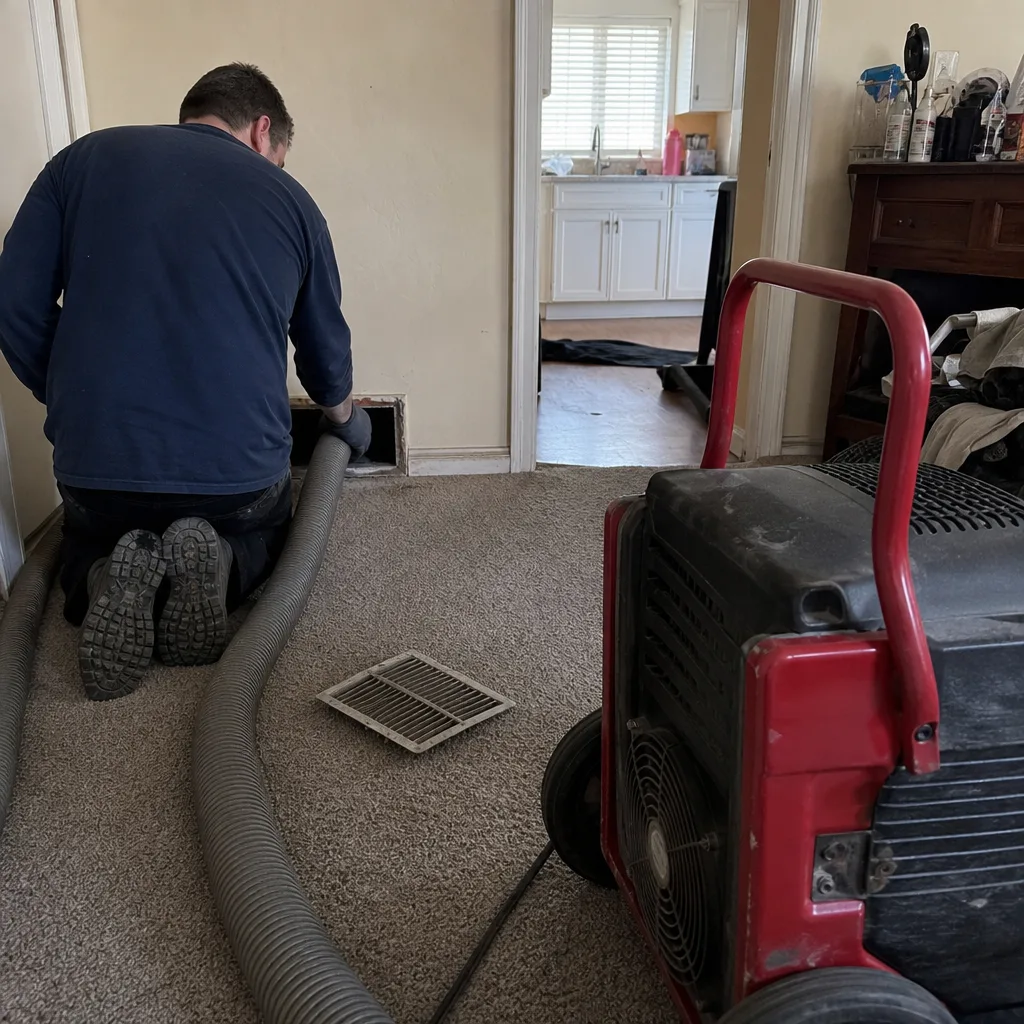 Before
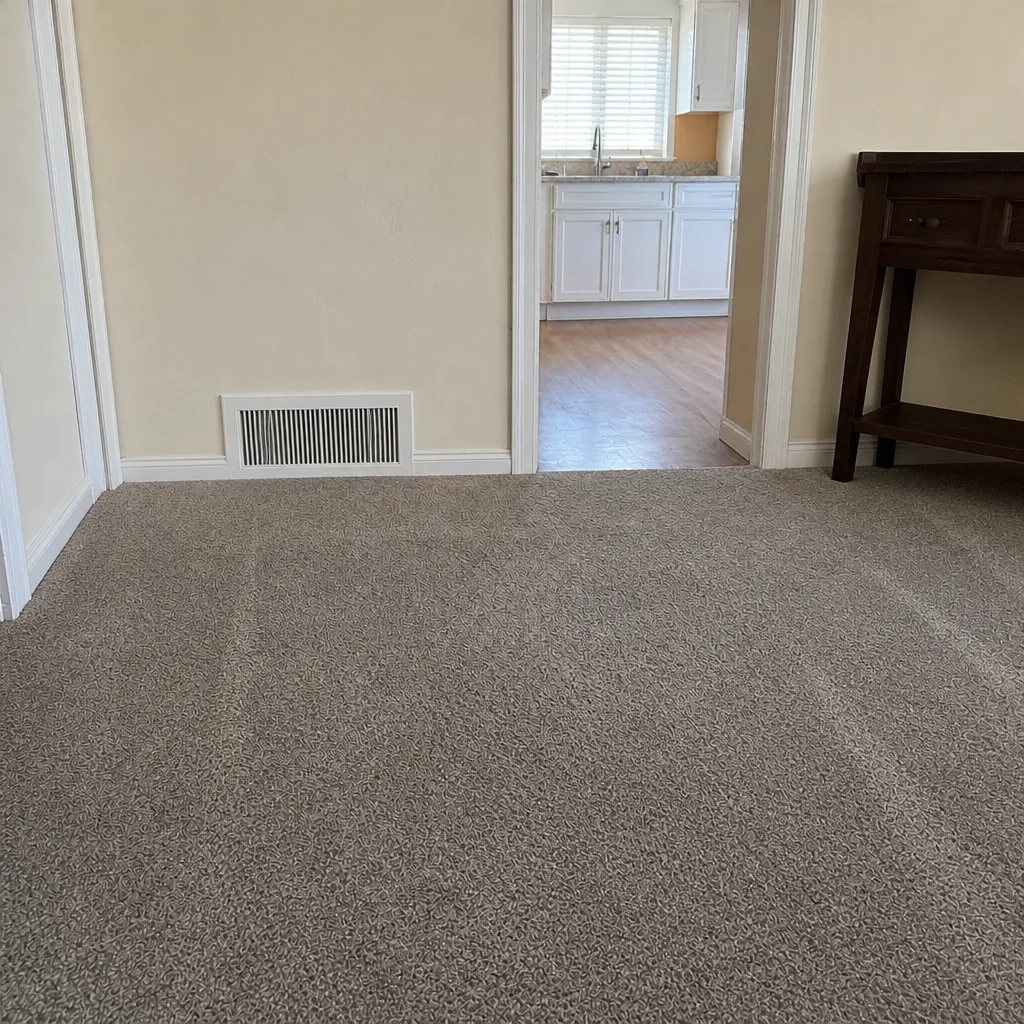 After
When to Call a Professional
Some duct work is do-it-yourself territory. Duct cleaning generally isn’t – not because of the work itself, but because the equipment required to do it correctly is the whole point, and the wrong tools make the problem worse. Call a professional when you see visible buildup at the registers, when you smell a musty odor from the supplies, or when allergy symptoms spike with the HVAC running. Call when you’ve had a recent remodel, pest activity, water intrusion, or a major smoky season. Call when a room never gets comfortable and you suspect a duct leak. And call if your home was built in the 1990s-2005 development wave, because the flex duct is due for inspection. Lafayette Air Duct Cleaning Pros offers free estimates in Lafayette – call (877) 792-6649. We answer 24/7. Fast dispatch from 7am to 7pm, Sunday through Friday.
Frequently Asked Questions
Air duct cleaning in Lafayette typically runs $350 to $700 for a standard single-family home, priced per system rather than per vent, and set by a written estimate before any work begins. The final price depends on the number of runs, whether the air handler and coil are included, and whether repair or sanitizing work is needed. Call (877) 792-6649 for an exact quote – estimates are free.
The cheaper quotes almost always leave out the same two things: air handler blower and coil cleaning, and before-and-after documentation. On flex duct, cheap quotes also often skip the inspection step, which means a torn run can be cleaned without being repaired. Always ask for a written scope that names exactly what’s included, and compare that scope rather than the number at the bottom. Call (877) 792-6649 for an estimate – estimates are free.
You know because the technician hands you before-and-after photos or video of your actual duct interior and air handler, plus a written summary of runs cleaned, repairs made, and sanitizing applied. All access points should be resealed before the technician leaves, and register airflow should be checked at every supply and return. Call (877) 792-6649 if a contractor won’t provide documentation – our estimates are free and we’ll tell you what a job should include.
Every three to five years for most Lafayette homes, rather than the five to seven years national guides quote, because high-altitude dust, dry air, and seasonal Front Range wildfire smoke push more particulate into the system each year. Homes with long-haired pets, recent remodels, or original 1990s-2005 flex duct often need cleaning closer to every two to three years. Call (877) 792-6649 for a free inspection – we’ll tell you honestly if a cleaning is warranted yet.
Yes. Flex duct’s corrugated inner liner catches dust on every ridge, and it’s prone to sagging, kinking, and separating at the collar after twenty-plus years. Cleaning a torn or sagging flex run can make the problem worse, so inspection before any cleaning is essential – and if a leak is found, it needs repair and resealing on the visit. Call (877) 792-6649 for a free estimate on flex duct inspection and cleaning.
Yes, if yours hasn’t been cleaned in a few years. Dryer vent cleaning addresses one of the documented leading causes of residential house fires, and it’s a safety service, not just a convenience. Bundling it into the same appointment saves a second visit. Call (877) 792-6649 for a free estimate that includes both.
The Bottom Line
Lafayette’s altitude, dry climate, Front Range dust load, and 1990s-2005 housing boom all make duct cleaning here different from the national average. The interval is shorter – every three to five years, closer to two to three for pet-heavy or flex duct homes. The equipment matters: rotary brush and air whip under Abatement Technologies negative pressure, not a shop vac through each register. Source removal is the standard; blow-and-go isn’t. And verification matters most of all: before-and-after photos, a written scope, access points resealed, and the coil shown clean at completion. If a technician won’t provide those four things, keep looking. Lafayette Air Duct Cleaning Pros deploys professional-grade equipment, repairs and seals duct issues on the same visit, and hands you the documentation to confirm the job was done right. Call (877) 792-6649 for a free estimate. We answer 24/7. Fast dispatch from 7am to 7pm, Sunday through Friday.
Written by the team at Lafayette Air Duct Cleaning Pros.