
Last updated November 25, 2026
 Whole-home duct cleaning
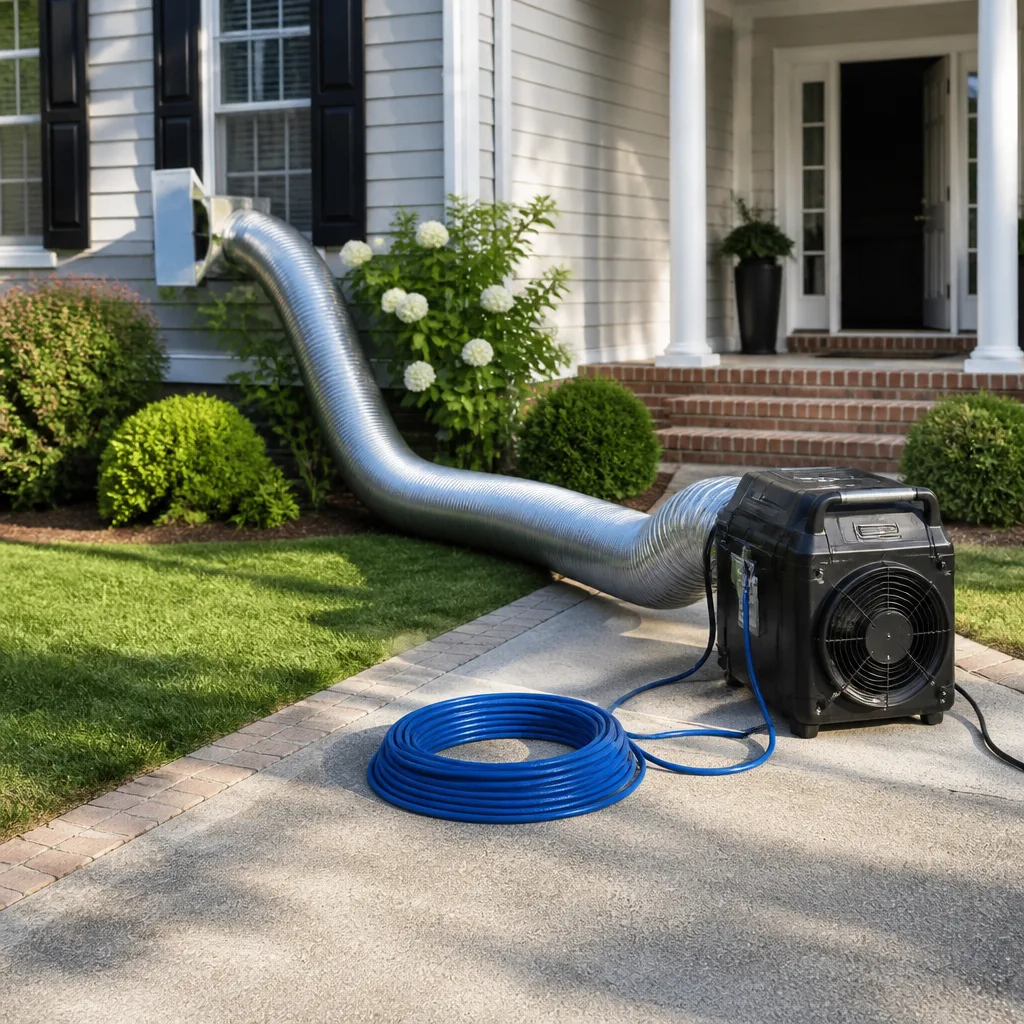
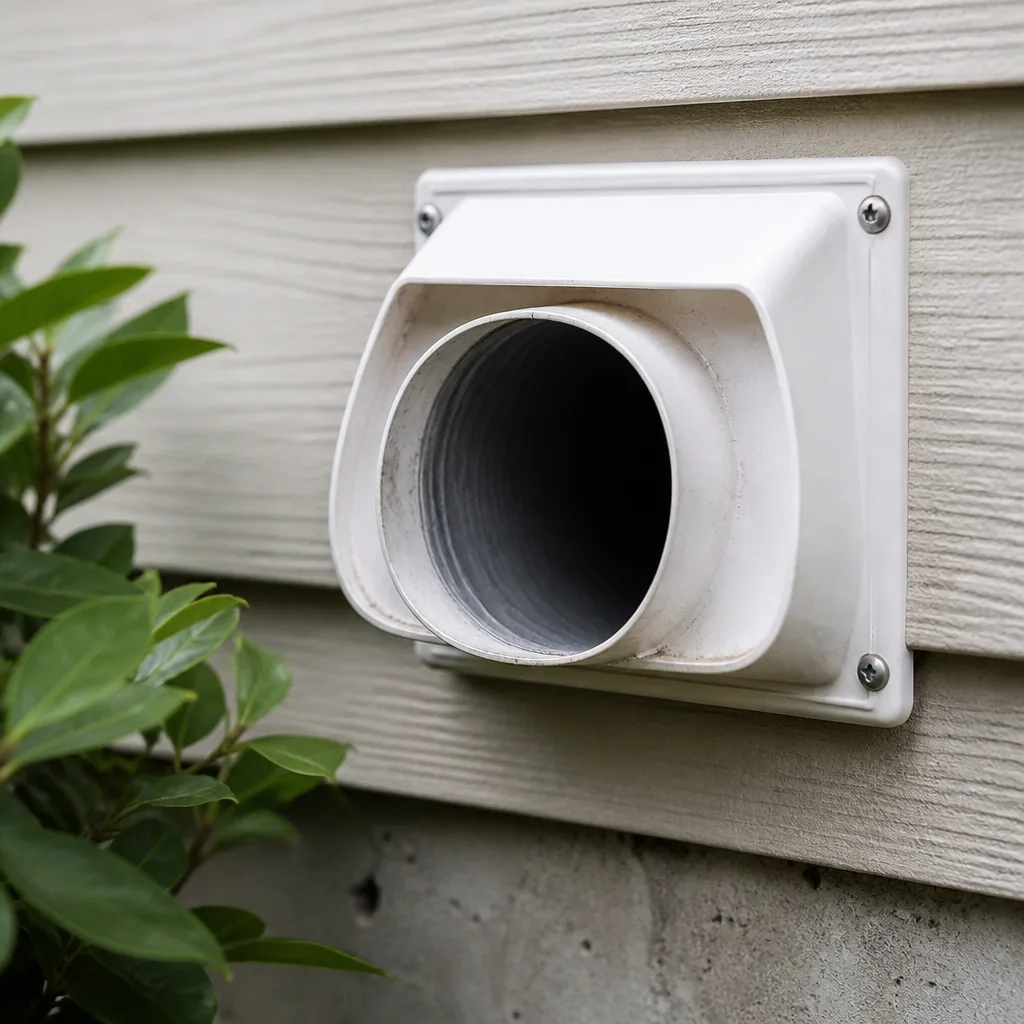 Dryer vent cleaning
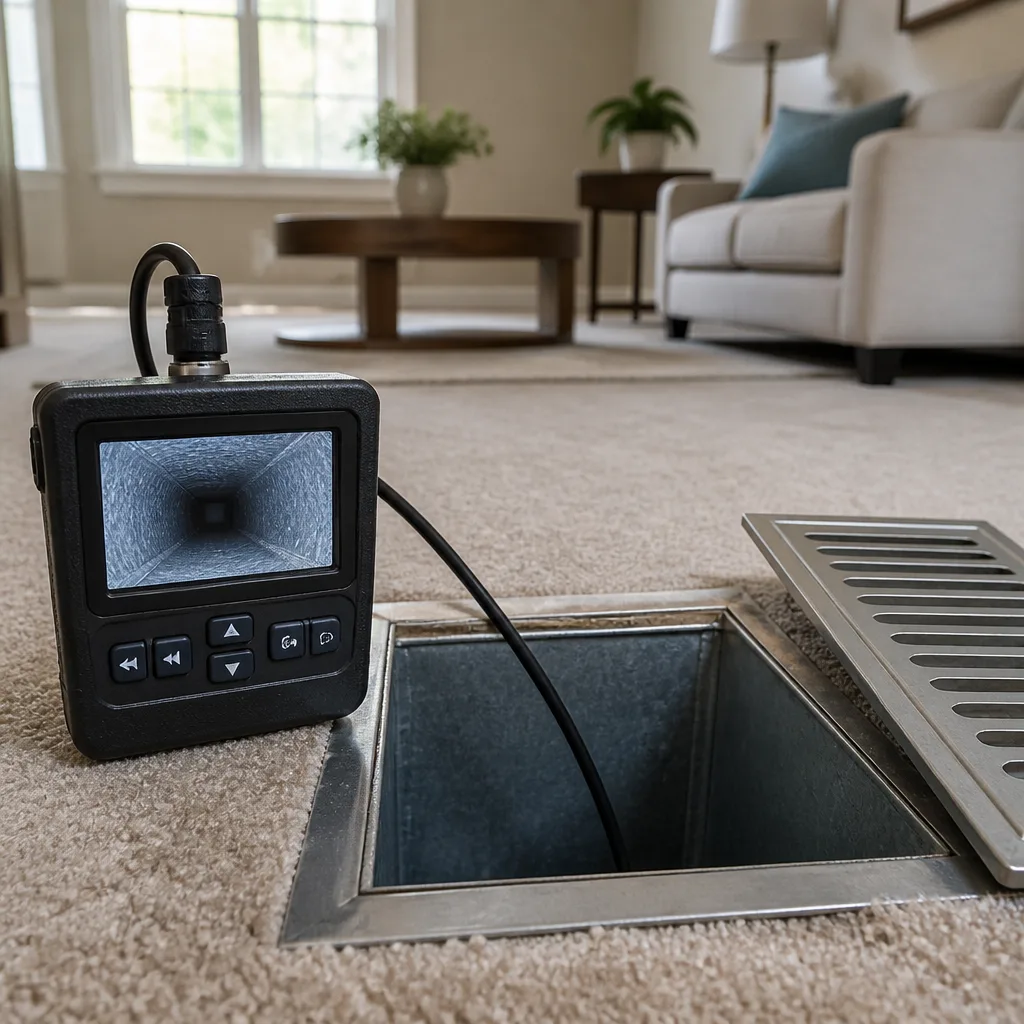 Camera inspection
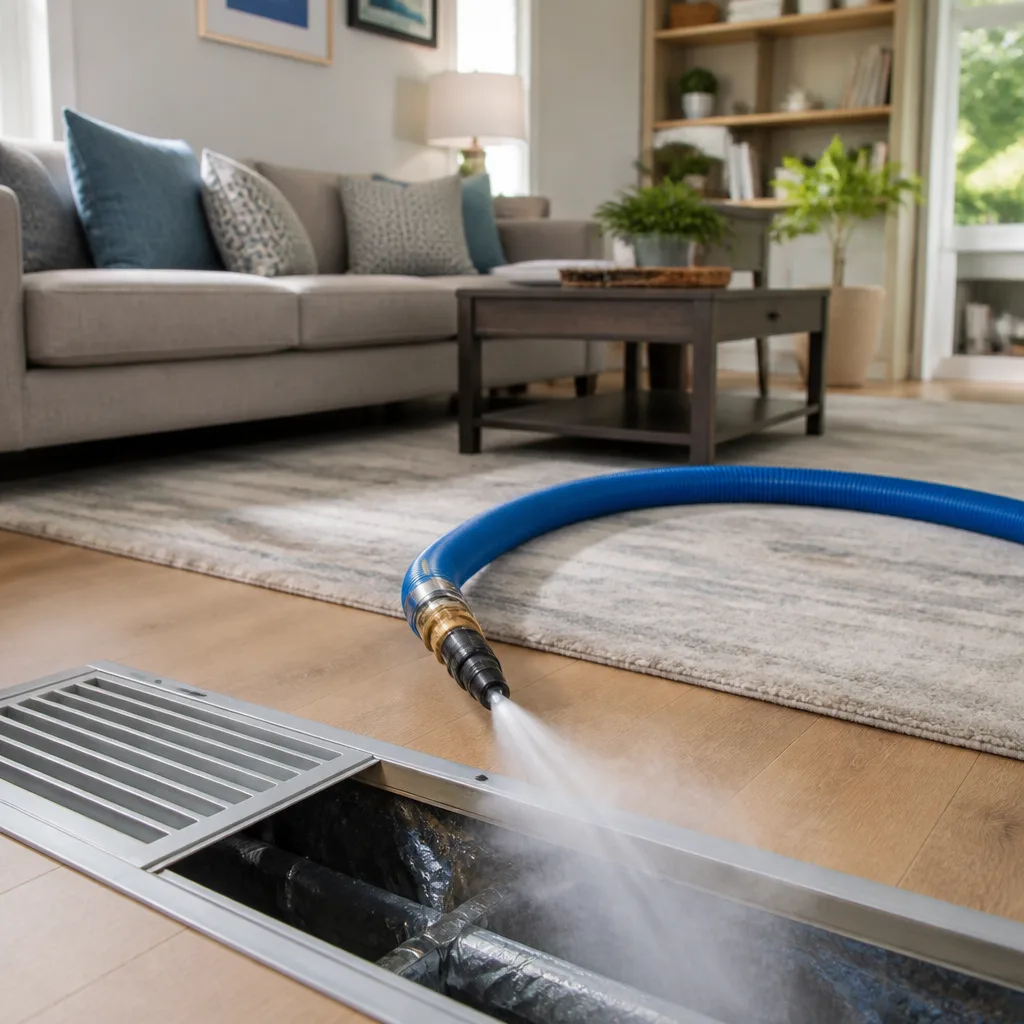 Sanitizing & deodorizing
Whole-system duct and dryer vent check with before-and-after photos - you see exactly what came out of your vents
That "$99 whole-house special" is a bait ad - the real number appears once they are in your hallway, or the "clean" is a shop-vac at the register. We photograph the inside of your ducts before and after instead.
Seasonal Air Duct Cleaning Care for Lafayette: Year-Round Homeowner’s Guide
Most homeowners treat duct cleaning as a one-time chore, something you do once and forget. That’s the wrong model for Lafayette. Here on the Front Range, your duct system lives through four very different seasons, and each one loads it differently. Spring buries return ducts in windblown topsoil and cottonwood. Summer pulls wildfire smoke into the return air. Fall starts the furnace and bakes everything that settled over the warm months onto the duct walls. Winter’s dry air and static charge change how that debris clings and how fast filters load. A single annual cleaning can’t account for that cycle. This guide walks through what each season does to your ducts in Lafayette, what to check, and how to build a rolling 12-month log that tells you whether your system is getting cleaner or worse year over year.
Quick Answer
Seasonal duct care in Lafayette means inspecting and cleaning at the points where the local climate does the most damage: after spring wind season, before the first furnace run in fall, and when winter static and summer smoke push particulate into the system. A rolling 12-month health log, kept season by season, tells you whether cleaning frequency should increase or ease off. One-size-fits-all annual cleaning ignores the Front Range cycle entirely.
Styles & brands we work with
- Whole-home duct cleaning
- Dryer vent cleaning
- Camera inspection
- Sanitizing & deodorizing
Table of Contents
- Why Season-Based Care Beats Annual Cleaning in Lafayette
- Spring: The Highest-Priority Inspection Window
- Summer: Wildfire Smoke and Fine Particulate
- Fall: Furnace Startup and Pre-Season Duct Checks
- Winter: Low Humidity, Static, and Filter Loading
- Building a Rolling 12-Month Duct Health Log
- Equipment: What a Thorough Job Actually Uses
- Common Mistakes to Avoid
Why Season-Based Care Beats Annual Cleaning in Lafayette
Lafayette sits in a stretch of the Front Range where the seasons aren’t gentle transitions. They’re abrupt. The same house that takes in wind-driven topsoil in April is pulling smoke through a return in August and running a gas furnace against single-digit humidity in January. Every one of those conditions deposits something different in the duct system, and each type of debris behaves differently once it’s inside.
An annual clean assumes the load is constant. It isn’t. In our experience working Lafayette homes, the debris accumulation rate in return air ducts can run noticeably higher in the spring months than in the winter months that precede them, because wind, cottonwood, and construction dust all arrive at once. If you clean in, say, October, you’ve missed the heaviest loading window of the year entirely.
Here’s the practical difference between the two approaches:
- Annual cleaning: one event per year, timed for convenience rather than climate. Debris from the heaviest load season may sit in the system for six months before it’s removed.
- Seasonal care: inspection timed to the load cycle, cleaning when inspection shows it’s warranted, and a running record of what changed. You respond to what your system is actually doing instead of a calendar guess.
That second approach is what the rest of this guide builds toward. It’s not more work. It’s better-timed work. And it fits the way homes in Lafayette are actually used: older housing stock near Old Town with original sheet metal runs, newer builds out toward the eastern edges with tighter envelopes, and everything between.
Spring: The Highest-Priority Inspection Window
Spring in Lafayette is the highest particulate-load season on the Front Range, and it’s not close. Three forces combine at once: windblown topsoil off open ground and construction sites, cottonwood seed from the trees that line the older neighborhoods, and fine construction dust from the building activity that ramps up as the ground thaws. Each one finds the return side of your system, and once it’s in, it doesn’t leave on its own.
What cottonwood infiltration looks like at the registers
Cottonwood fluff is deceptive. It looks too soft and light to matter, but it mats. When it collects on a return grille or travels a short distance into the duct, it forms a fibrous layer that grabs finer dust and holds it. At the register you’ll see a pale, fuzzy film over the louvers, often mixed with grit. Pull the grille and the same material is usually pressed against the first section of duct wall behind it. It’s a filter clog that isn’t in your filter.
Why post-wind-season is when to look
Timing matters more than technique here. The wind season has an end. Once it settles, the debris load that’s going to reach your ducts this year has mostly arrived. That’s the assessment point. Working through it in order:
- Inspect every return grille as the wind season winds down. Note any matting, grit, or visible film.
- Compare the filter’s load to the same point last year. A filter that’s loading faster than it used to is telling you something has changed upstream.
- Look at the supply registers too. Dust on the supply side is a sign debris has travelled through the system rather than stopping at the filter.
- Schedule cleaning if the returns show matted material or the filter is loading noticeably faster than your log predicts.
- Check outdoor air intakes and the furnace cabinet for grit that bypassed filtration during the windiest weeks.
Spring is also the season when duct Lafayette Air Duct Cleaning Pros gets the most inspection calls about grit at the registers. If a homeowner here suspects the ducts are affecting family health, allergy symptoms, or energy bills, spring inspection is the cleanest starting point. A full air duct cleaning after the wind season is the removal step; the inspection before it is the assessment step. Skipping the assessment is how homeowners end up cleaning at the wrong time of year.
Summer: Wildfire Smoke and Fine Particulate
Wildfire smoke does not behave like household dust inside a duct system, and treating it the same way is a mistake. Household dust is comparatively large and heavy. It settles, and it tends to settle early, near the filter and in the first run of duct. Smoke particulate is far smaller. It stays airborne longer, which means it travels further through the system before it lands, and when it does land, it adheres differently: it clings to duct walls in a thinner, harder-to-remove film rather than piling up.
That difference changes what a cleaning needs to accomplish. A surface wipe of what’s visible at the register doesn’t touch the wall film that smoke leaves deeper in the run. Mechanical agitation is what lifts it. In practice, that means a contact-vacuum system with rotating agitation, which is why equipment choice matters far more in a summer smoke year than in a mild one.
What to watch in smoke season
- Filter life. Smoke particulate loads high-efficiency filters faster than ordinary dust. Check your filter’s condition more often during active smoke periods.
- The smell, not just the dust. A faint smoke odor at the register when the system runs is a sign particulate has reached the duct walls and is being redistributed.
- Whole-home filtration compatibility. If you run a Honeywell or Aprilaire filtration system, smoke season is when that investment earns its keep, and when it’s worth confirming the media cabinet and duct interface are sealed properly. Gaps at the cabinet bypass the filter.
- Sealing before cleaning. Cleaning a leaky duct system is short-lived work. If the return draws from an unconditioned space through gaps, smoke comes back in immediately. Sealing comes first, or cleaning only buys a season.
Summer is also a reasonable point in the year to assess whether your duct system needs HVAC cleaning rather than duct cleaning alone. Smoke particulate that reaches the air handler can settle on the blower and evaporator coil, and that material affects airflow and cooling performance, not just air quality. Cleaning the ducts without cleaning the equipment they feed leaves half the job done.
Fall: Furnace Startup and Pre-Season Duct Checks
The first furnace run of fall does something specific and usually invisible: it blows warm, dry air through a duct system that’s been mostly idle, and it moves everything that accumulated over spring and summer back into your living space. If your ducts picked up cottonwood in April and smoke in August, the first cold snap of October redistributes that material into every room. The check that matters is the one that happens before that first run, not after.
Here’s how a sensible fall startup sequence goes:
- Inspect the duct system before turning the furnace on for the season. Open the returns, look at the supply register faces, and check the filter slot for debris that gathered during the cooling season.
- Look for gaps and loose joints. Seams, register boots, and the duct-to-cabinet connection are common leak points. Where ducts leak, air quality drops and efficiency follows.
- Confirm filter media condition and fit. A filter that rattles in its slot or sits short of the bracket edge bypasses air around it.
- Replace or service the filter before the heating season begins.
- Have the air handler cleaned if the cooling season saw heavy use or any smoke load. Debris on the blower wheel shows up as reduced airflow all winter.
- Note the inspection result in your log so next fall’s comparison is meaningful.
Fall is also the right window for dryer vent cleaning in Lafayette. The dryer gets more use as heating season starts, lint loads up faster in a vent that’s already carrying a season’s accumulation, and a blocked dryer vent is a fire risk, not just a slow dryer. The NFPA identifies the dryer vent as a leading cause of residential house fires. Checking it on the same fall visit as the duct inspection keeps the two maintenance items on the same schedule.
Winter: Low Humidity, Static, and Filter Loading
Colorado winters are dry, and dry air changes how particulate behaves inside a duct system. In low humidity, static charge builds on duct surfaces, and a charged surface attracts and holds fine particulate more tenaciously than the same surface in humid air. Material that would have drifted with the airflow instead sticks to the duct wall. That’s why a system that ran clean all summer can start loading filters faster in January even though nothing new has been introduced.
There are two practical effects. First, filters load more heavily than the month-by-month pattern would predict, because more particulate is being held in the system and thrown forward rather than settling. Second, the debris that’s stuck to duct walls in winter is harder to remove with a vacuum alone, which is where mechanical agitation earns its keep. A contact-vacuum head with rotating agitation loosens the wall film before extraction; a shop-vac-style setup doesn’t.
What winter seasonal care looks like
- Filter changes on a shorter interval. Watch the filter itself rather than the calendar. If it’s visibly grey when you check it, it was due earlier than you thought.
- Static control at the register. Dry winter air makes register faces and louvers collect dust faster. Dab them down when you change the filter.
- Watch for increased dust in the home. A heating season that visibly stirs more dust than last winter is a signal the duct system is holding material it should have shed.
- Consider humidity in your air-quality plan. Whole-home systems from Aprilaire and Honeywell can support balanced humidity alongside filtration. Dry air is not just a comfort issue; it changes how much debris your ducts hold.
- Note filter replacement dates in your log. This is the single most useful winter data point.
Winter is not typically the season to clean. It’s the season to observe. The observations you record in January and February tell you what to do in spring.
Building a Rolling 12-Month Duct Health Log
A rolling 12-month log is the difference between guessing and knowing. It’s a simple record, kept on your phone or a notepad in the utility room, that captures the same six to eight data points every season, plus any cleaning or inspection result. After a full year, the pattern tells you whether your duct system is improving, holding steady, or degrading. That’s information no single cleaning visit can give you.
What to record
Listed in order of how fast a professional can read the trend from it:
- Filter replacement dates and installed filter type. The most reliable single indicator. Shorter intervals between changes mean more particulate is reaching the filter.
- Filter appearance at the end of each interval. Note the color and where on the filter media the load concentrated.
- Register observations each season. Dust on the return louvers, dust on the supply faces, any visible film.
- Visible dust level in the home, rated simply (low, medium, high). The point is comparison to the same season last year, not precision.
- Any air-quality equipment status for Honeywell or Aprilaire systems. Media condition, any error or service light, and when the media was last changed.
- Inspection and cleaning dates, with a one-line note on what was found and what was done.
- Dryer vent check dates and lint observations. Record this on the same log; the two maintenance items share a schedule.
How to read the log
After a full cycle, look for two patterns. If filter intervals are shrinking year over year at the same time of year, the duct system is loading faster and needs a cleaning or a sealing inspection. If the intervals are stable or lengthening, the system is holding its own and the current cadence is working. Register dust that appears in the same season each year is a seasonal signal; register dust that appears earlier each year is a trend. And a dry season that suddenly produces more home dust than the prior one points to a leak that opened up, which is worth a sealing assessment before you clean again.
Nothing about the log requires expertise. It requires consistency. Two minutes per season, four times a year.
Equipment: What a Thorough Job Actually Uses
Equipment is where seasonal work either holds up or doesn’t. A shop vacuum and a brush can remove what’s loose near a register. It can’t remove the fine smoke film that clings to a duct wall, and it can’t lift the winter-static layer that’s bonded to the sheet metal. The tools we use matter because the seasons produce debris that requires more than a vacuum to remove.
- Rotobrush contact-vacuum systems put a rotating agitation head and a high-volume vacuum on the same tool, so wall film is loosened and captured rather than just displaced. This is the tool that handles the fine-particulate problem from the summer smoke section.
- Nikro HVAC cleaning units are commercial-grade cleaning systems built for the duct interiors and air-handler components that a consumer setup can’t reach. They’re the standard we work toward on every job.
- Abatement Technologies negative-air machines are the same containment equipment used on mold and contaminant abatement projects. Negative-air containment keeps dislodged particulate from spreading into the home during cleaning, which matters far more when the debris being disturbed is fine and airborne.
We name our tools because they matter. The difference between a contact-vacuum Rotobrush setup and a shop vac is the difference between removing the wall film and moving it. The difference between an Abatement Technologies negative-air machine and an open window is the difference between controlled extraction and redistributed dust. “Professional-grade equipment, residential pricing” is the standard we hold to, and it isn’t a slogan. It’s what determines whether the summer smoke load leaves the system or just settles elsewhere.
Common Mistakes to Avoid
- Cleaning on a fixed calendar date instead of by season. October cleaning in Lafayette misses the heaviest load window of the year, which is spring. Time the inspection to the climate, not to the calendar.
- Cleaning before sealing. In leaky duct systems, cleaning is short-lived work because air from unconditioned spaces flows back in immediately. If inspection finds gaps, duct repair and sealing should come first or the same visit.
- Assuming the summer smoke and household dust behave the same way. Smoke particulate is smaller and adheres as a film rather than a pile. If the cleaning after smoke season only addressed visible dust at registers, it didn’t address the smoke.
- Skipping the pre-furnace inspection. Running the furnace in the fall with a loaded duct system redistributes months of debris into every room. The check before the first run is cheap. The cleaning after is what you were trying to avoid.
- Ignoring the filter interval pattern. A shrinking interval between filter changes is the earliest readable sign that duct loading has increased. Watch the log, not just the filter.
- Overlooking the dryer vent. Lint loads faster in a vent that’s already carrying accumulation, and the NFPA identifies the dryer vent as a leading cause of residential house fires. Put it on the same fall schedule as the duct inspection.
- Using consumer equipment for a seasonal load. A shop vac can’t lift a winter-static wall layer. If the cleaning looks clean but the loading pattern in your log doesn’t change, the equipment was the limit.
See the difference
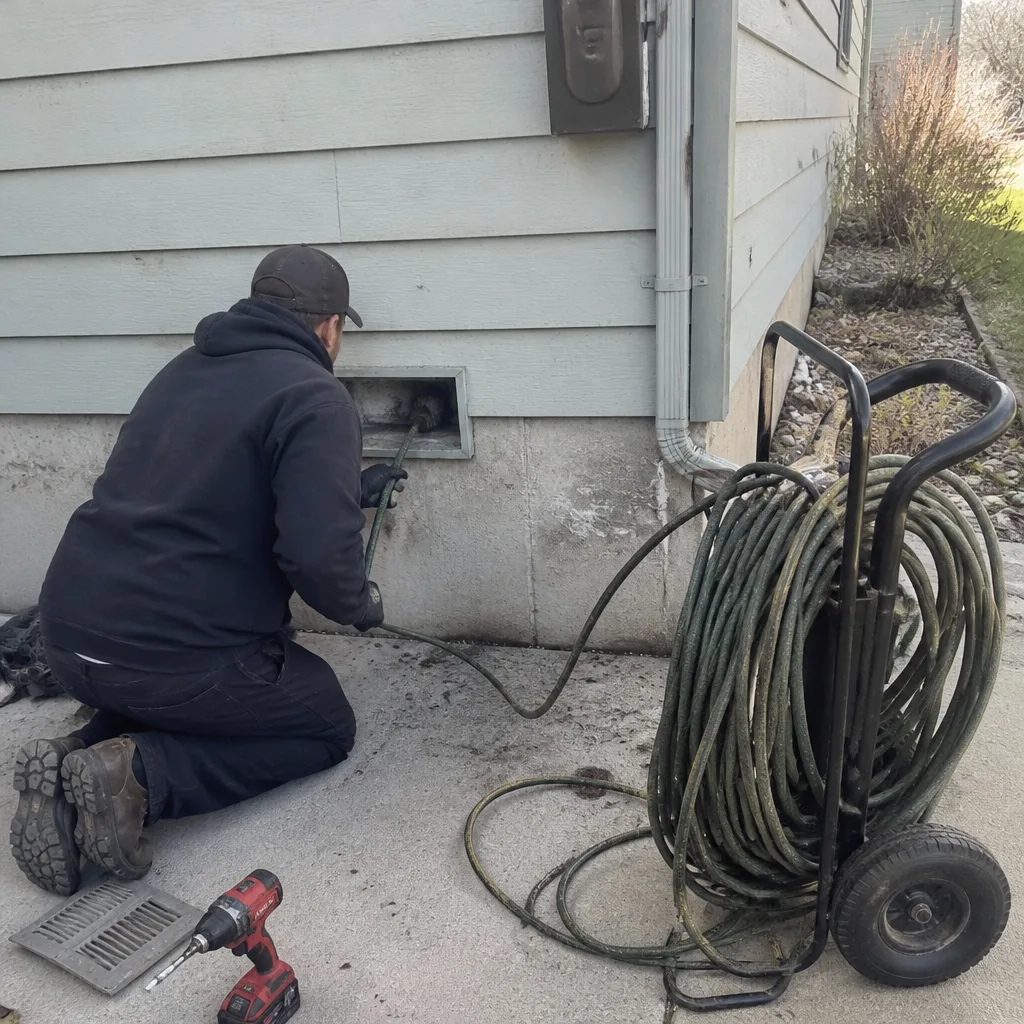 Before
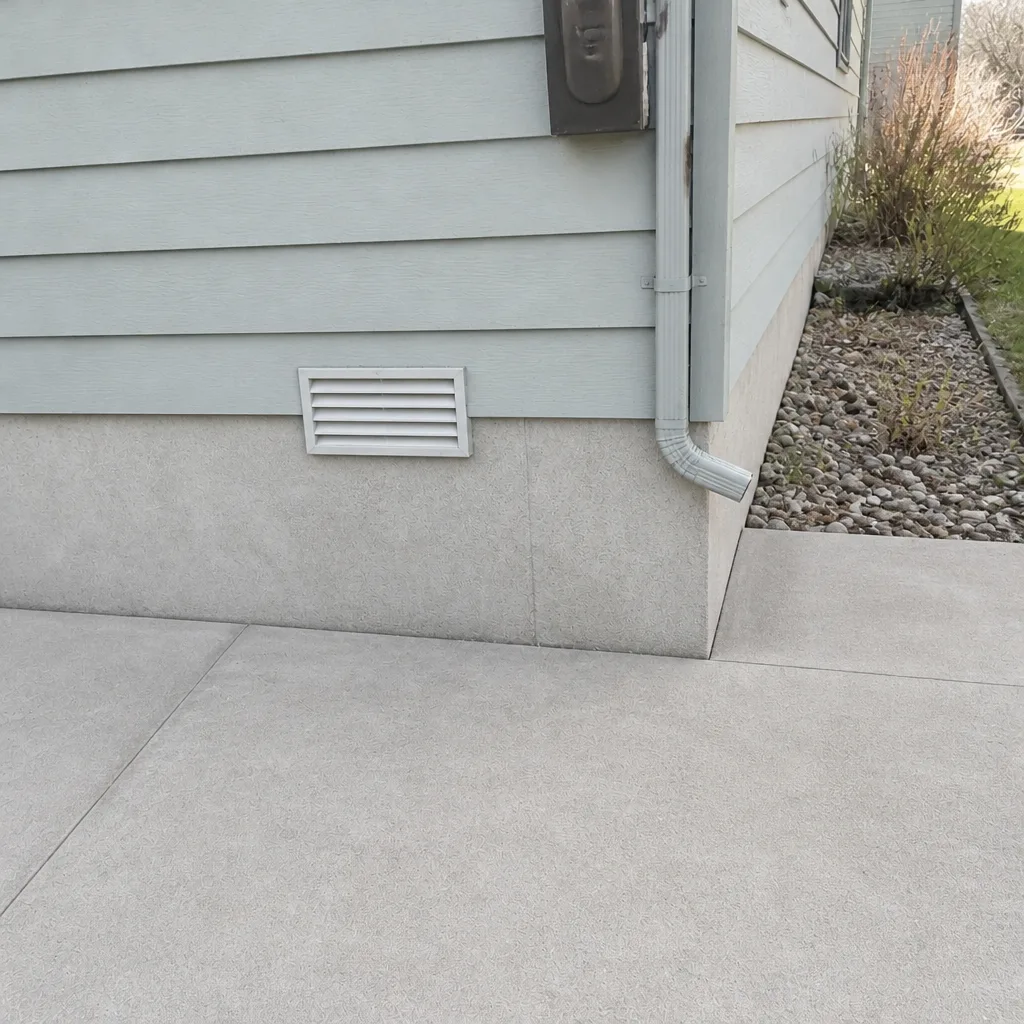 After
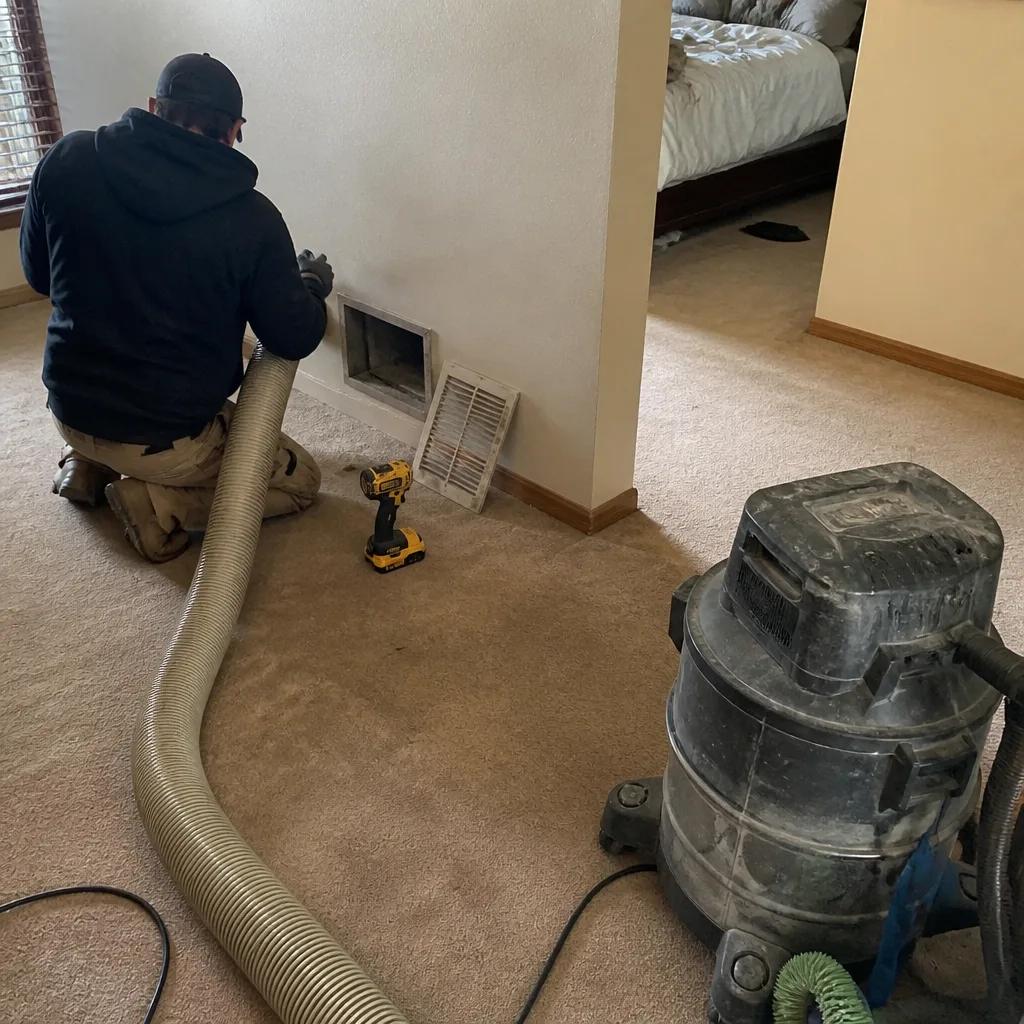 Before
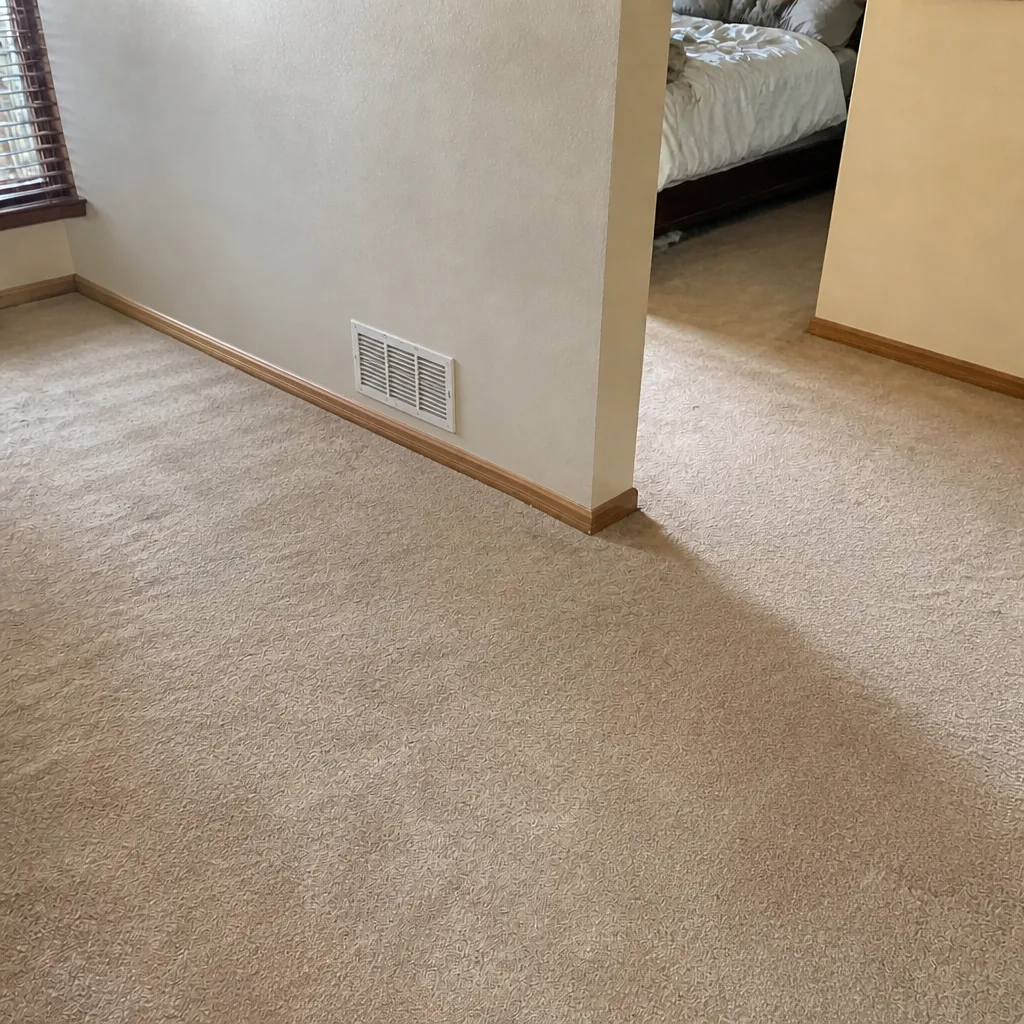 After
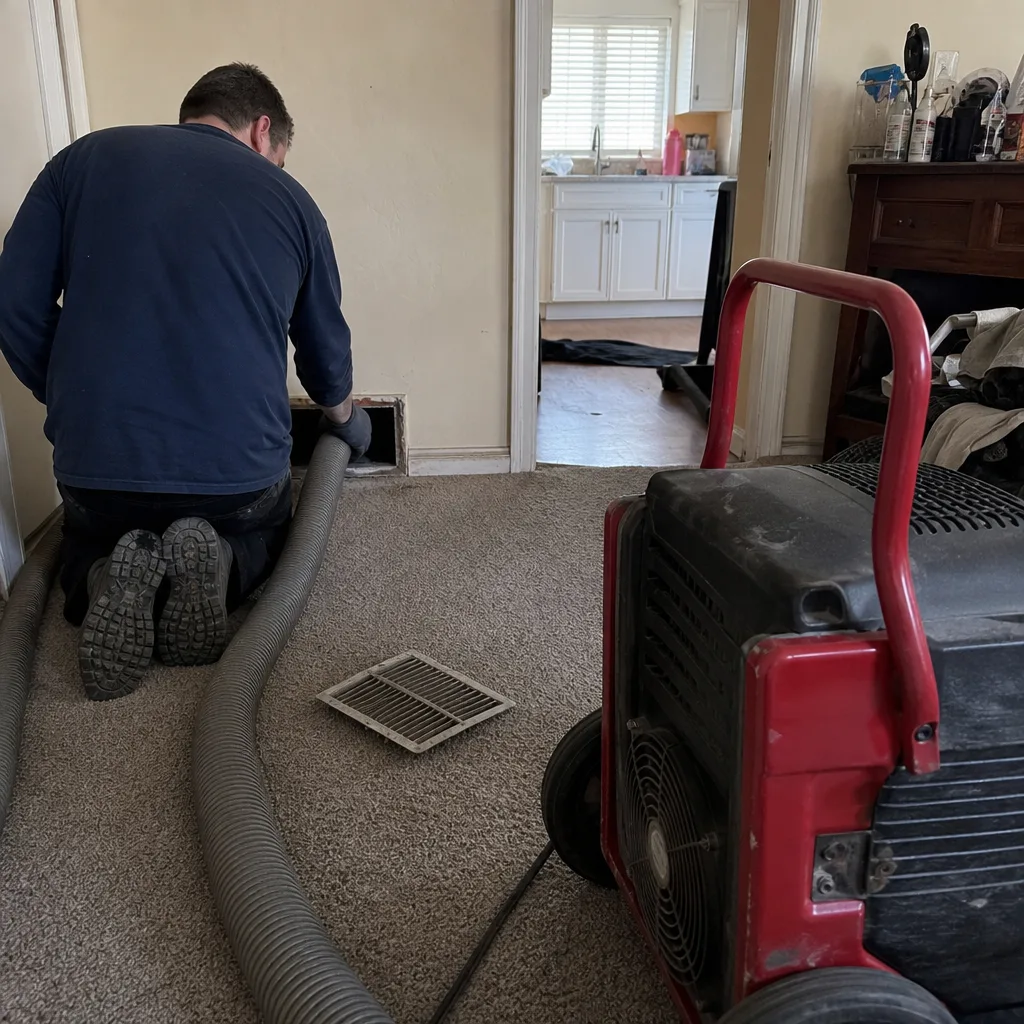 Before
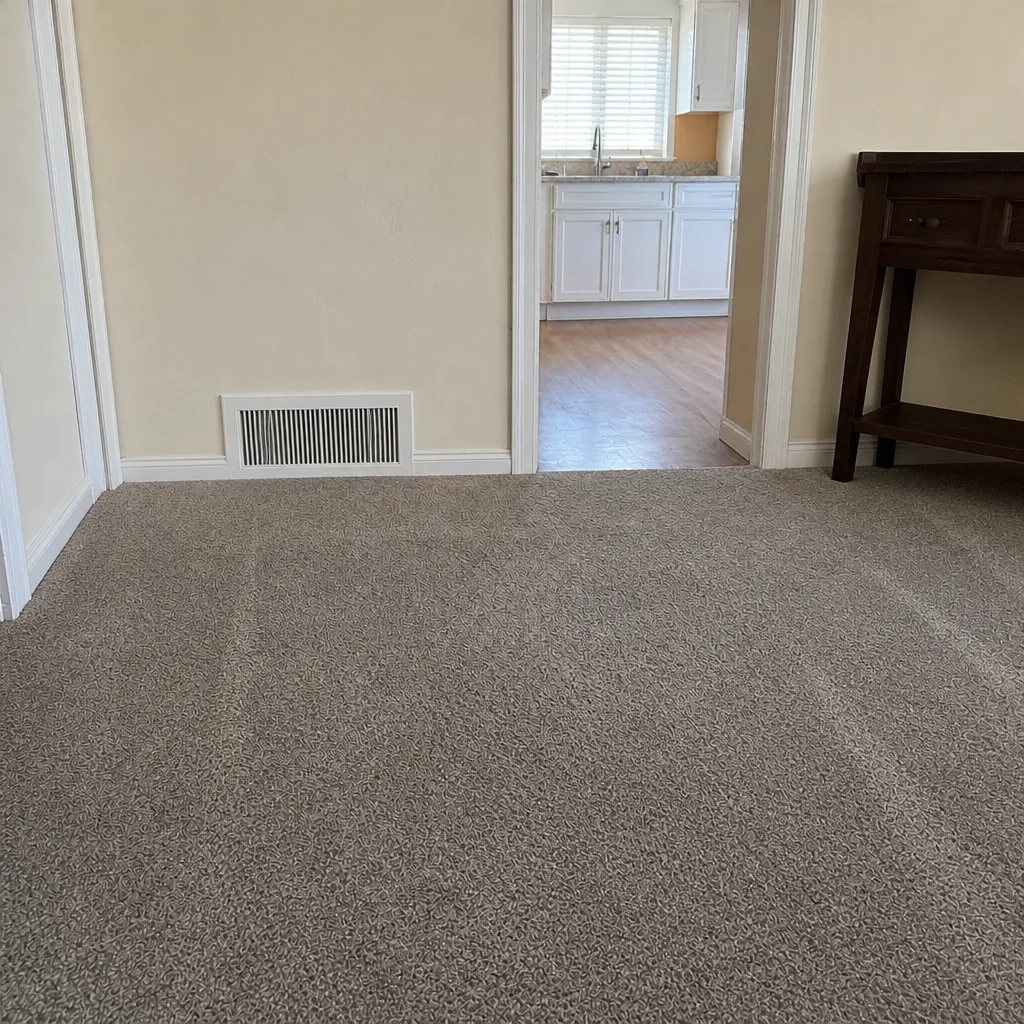 After
When to Call a Professional
Call when the log shows a trend rather than a single season. If filter intervals have shrunk two years running, if register dust appears earlier each year, or if you’ve cleaned and the loading pattern hasn’t improved, it’s time for a professional inspection rather than another cleaning. Call if you notice a smoke or musty smell when the system runs, if you see visible gaps or loose joints at register boots or the air handler, or if your dryer vent hasn’t been checked in over a year. Call if the first furnace run of fall threw a visible dust cloud into the rooms. Lafayette Air Duct Cleaning Pros offers free estimates in Lafayette. Call (877) 792-6649 to schedule. Our technicians have up to 12 years of experience with the equipment and the seasonal load patterns on the Front Range.
Frequently Asked Questions
Most Lafayette homes do best with a seasonal inspection cadence and cleaning only when the inspection shows it’s warranted, which for many homes means one professional cleaning every one to three years depending on the season’s load and the home’s leakage. A log of filter intervals and register observations will tell you when the pattern shifts. Homes near wind-exposed open ground, older housing near Old Town, or new construction nearby may need cleaning more often.
Spring is when inspection matters most, so it’s often when cleaning is scheduled, but the right time to clean depends on what the inspection finds. Spring brings windblown topsoil, cottonwood, and construction dust into the return ducts, and debris accumulation can run noticeably higher in the spring months than in the winter months that precede them. Post-wind-season cleaning removes that load before cooling season pushes it further through the system.
They can stay, and they behave differently than ordinary dust. Smoke particulate is much smaller, stays airborne longer, travels further into the duct system, and adheres to duct walls as a thin film rather than settling as a pile. Contact-vacuum systems with rotating agitation are what lift the film. Cleaning with a shop vac removes what’s visible at the register but leaves the wall layer on the metal.
Three signals: a filter that’s loading faster than the same season last year, a visible film on return louvers or supply register faces, and a smell or increased dust when the system runs. Any one signal warrants an inspection. The rolling log is what tells you whether the signal is seasonal (normal) or a trend (warrants cleaning).
Yes if the inspection finds leaks, and the sealing should happen on the same visit if the system is already being cleaned. Cleaning a leaky system makes the difference only until the leaks pull air back in. Duct repair and sealing is one of the reasons we work with Abatement Technologies negative-air containment; problems found during inspection can be resolved in the same engagement rather than a second scheduling round.
Yes. Dry air builds static charge on duct surfaces, and a charged surface holds fine particulate more tightly than the same surface in humid air. That’s why filters can load faster in January than the month-by-month summer pattern would predict, and it’s why winter is a season for observation and filter changes rather than aggressive cleaning. The observations feed the spring and fall decisions.
Yes. Duct repair and sealing is a core capability, not a referral, so what the inspection finds can be addressed on the same visit or the next scheduled one. That covers gaps at register boots, seams, and the duct-to-air-handler connection, which are the leak points that most affect how fast your system loads after a seasonal cleaning.
The Bottom Line
Lafayette’s four seasons load your duct system differently: topsoil and cottonwood in spring, fine smoke particulate in summer, the winter-static wall layer, and the redistribution that comes with the first fall furnace run. Each of those conditions needs the right timing, the right equipment, and a record that tells you whether the system is getting cleaner or worse. A rolling 12-month log and a post-wind-season inspection are the two habit changes that matter most. Mechanical agitation from equipment that can lift wall film is the difference between cleaning and rearranging. If inspection turns up leaks, sealing is the next step, not an upsell. The log tells you what to do. The tools let it be done once, properly. Call (877) 792-6649 for a free estimate. We answer 24/7. Fast dispatch from 7am to 7pm, Sunday through Friday.
Written by the team at Lafayette Air Duct Cleaning Pros.