
Last updated November 25, 2026
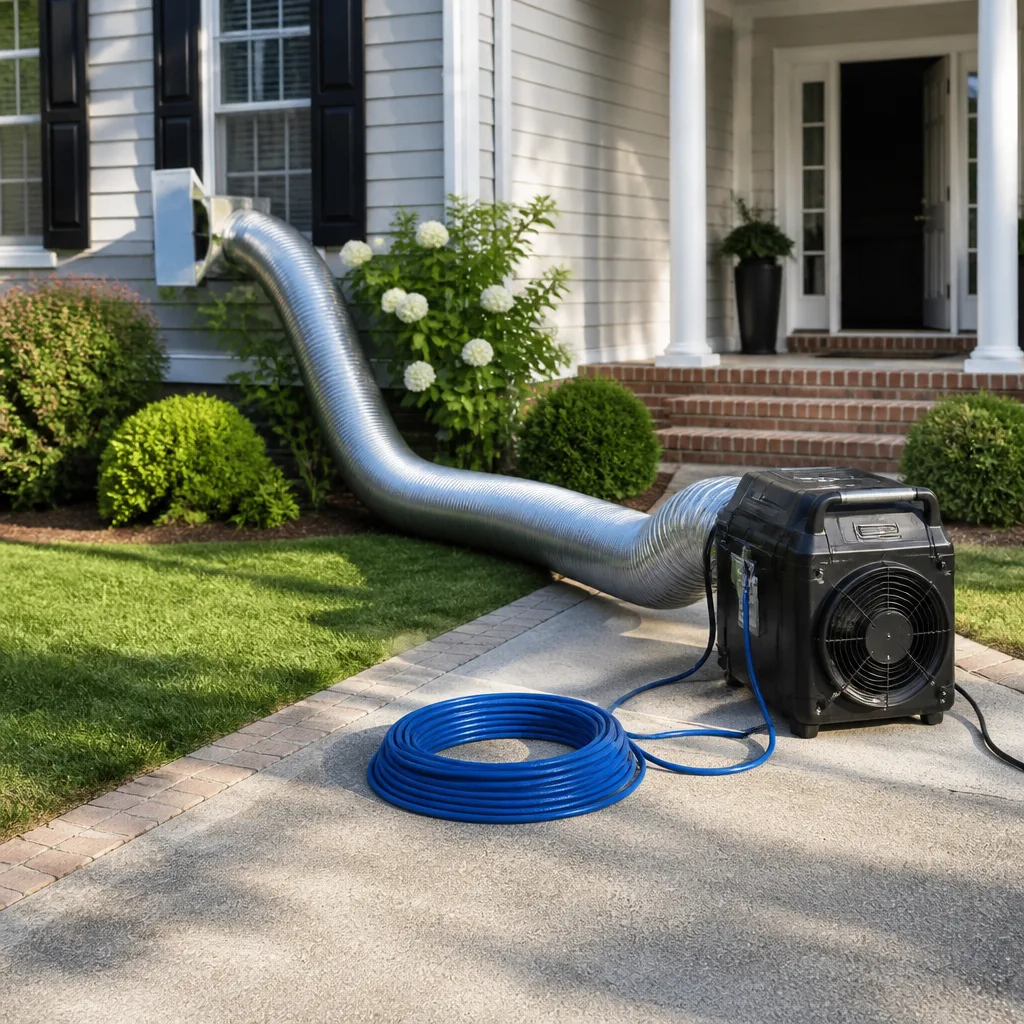 Whole-home duct cleaning
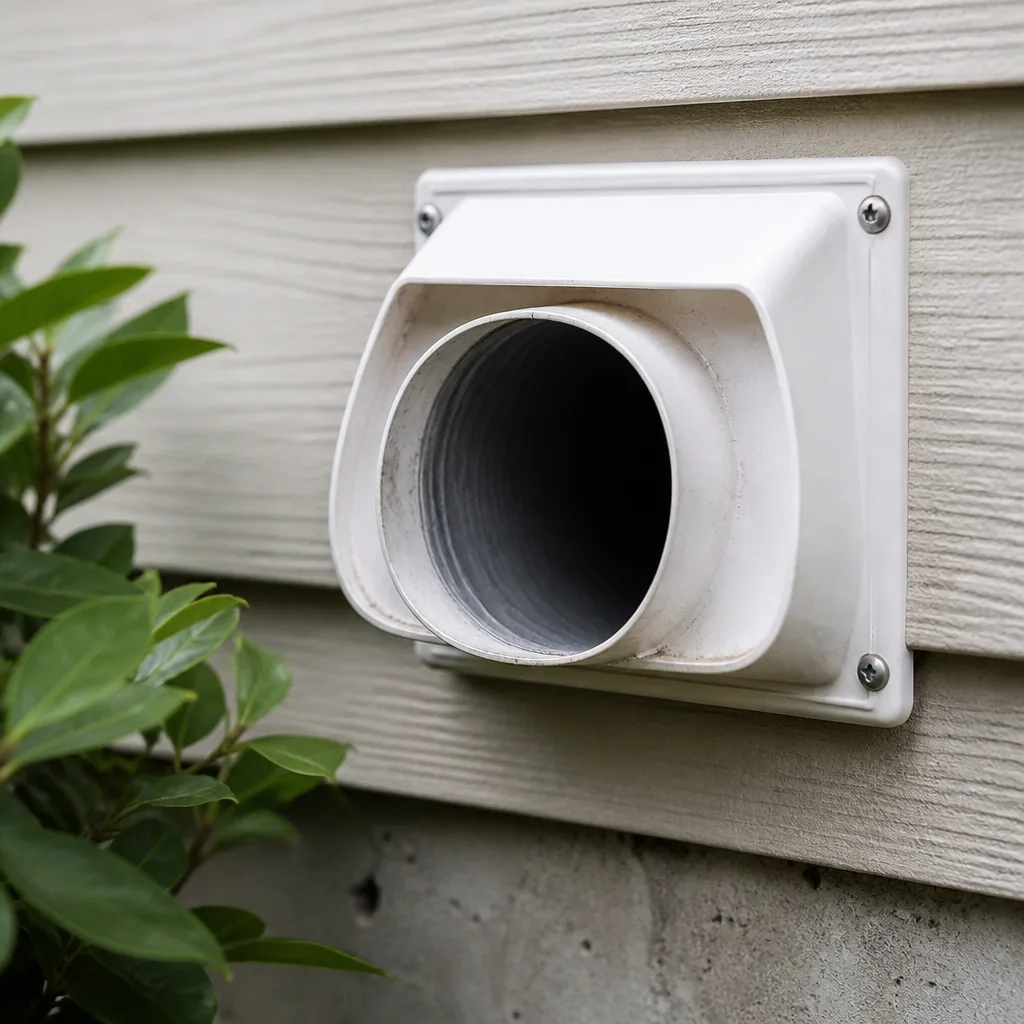 Dryer vent cleaning
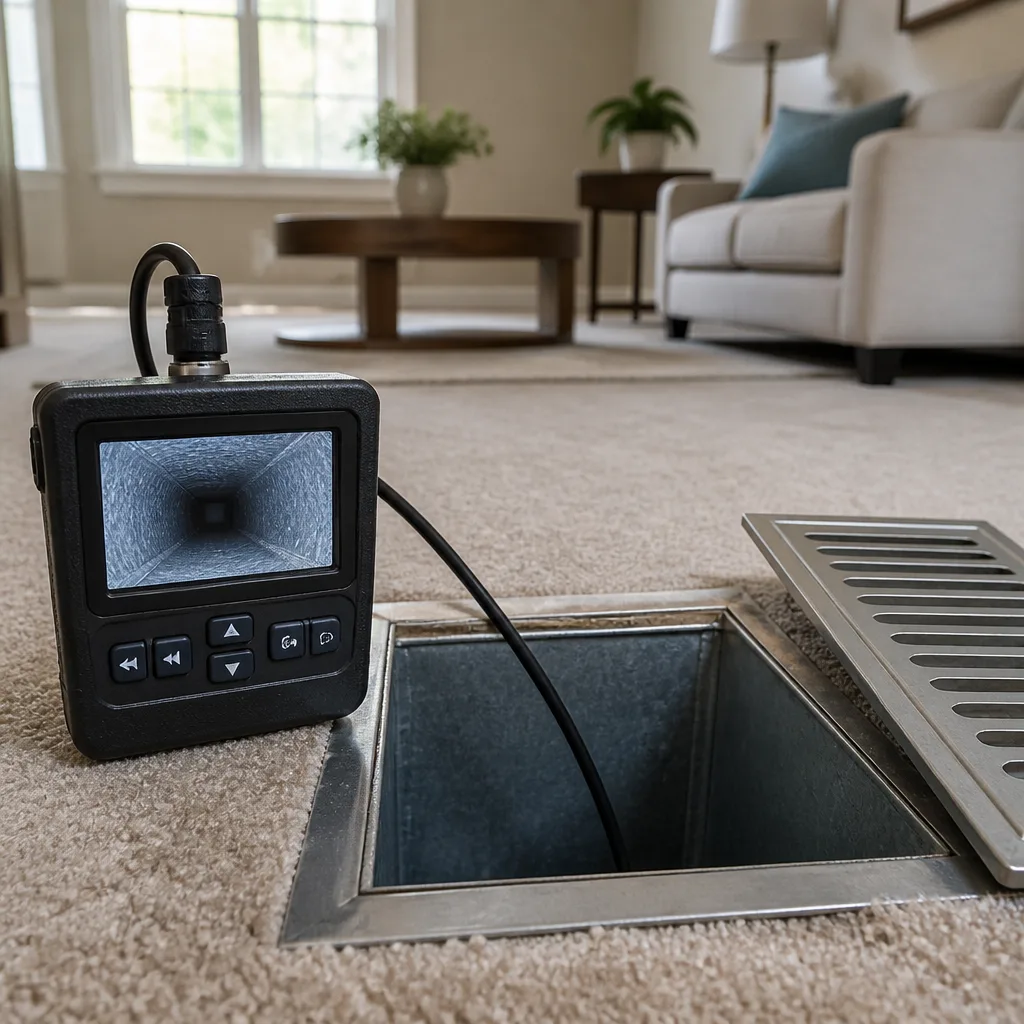 Camera inspection
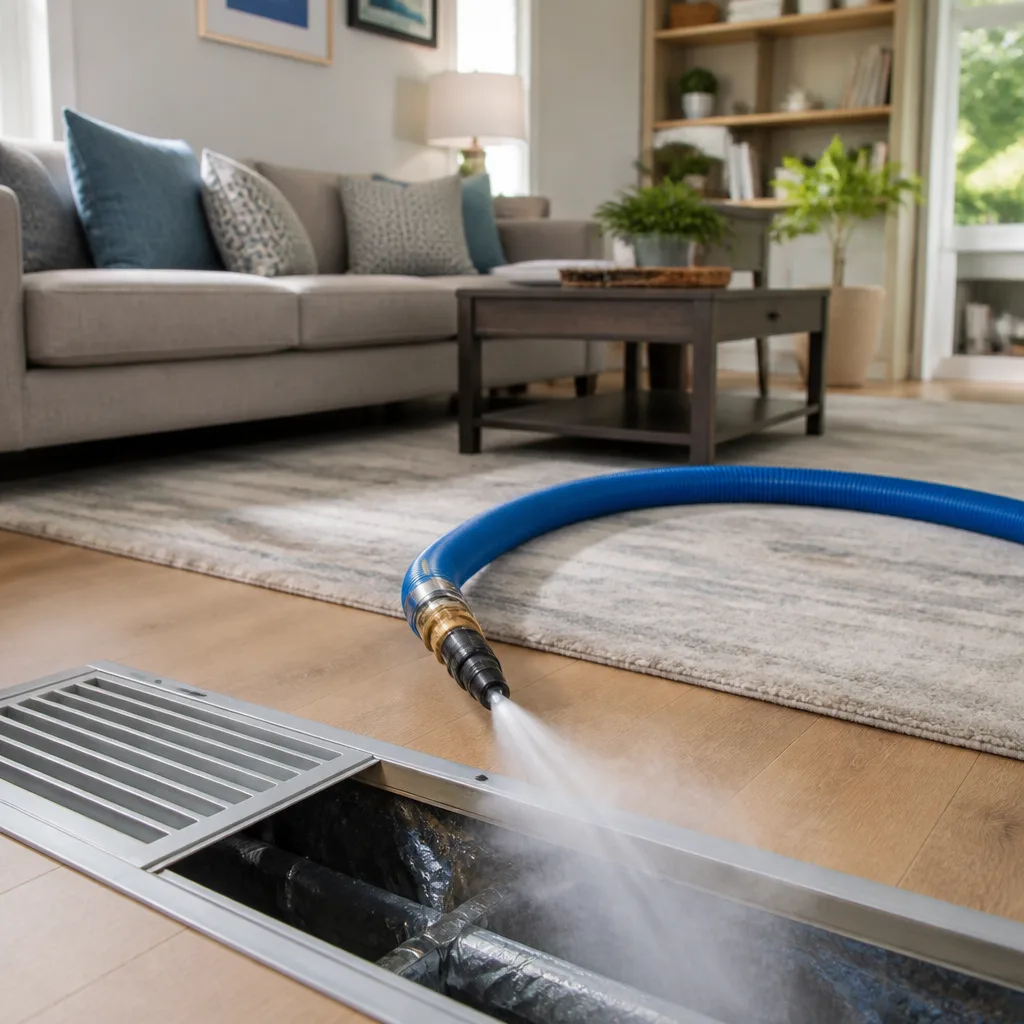 Sanitizing & deodorizing
Whole-system duct and dryer vent check with before-and-after photos - you see exactly what came out of your vents
That "$99 whole-house special" is a bait ad - the real number appears once they are in your hallway, or the "clean" is a shop-vac at the register. We photograph the inside of your ducts before and after instead.
Air Duct Cleaning Cost Breakdown: The Lafayette Homeowner’s Reference for 2026
A $299 whole-home quote and a $799 whole-home quote can describe the exact same job, or they can describe completely different scopes of work. That’s the problem with duct cleaning pricing, and it’s worse in a market like Lafayette, where the housing stock runs from older ranch homes near Old Town to newer builds out toward the eastern edges of Boulder County. Without knowing what line items sit inside a number, you’re not comparing prices. You’re comparing marketing. This guide breaks the job into its actual components, prices each one for the Lafayette market in 2026, and shows you what a fair total looks like once you know what’s being cleaned.
Quick Answer
Air duct cleaning for a typical Lafayette home in 2026 runs roughly $350 to $700 for a standard whole-system cleaning on a single-furnace house, with larger or more complex systems reaching $900 or more once return-air runs and multiple zones are included. The number moves mostly with the number of branch runs, the material of the ductwork, and whether add-ons like sanitizing or sealing are part of the scope. Anything quoted far below that band is usually a partial clean or a teaser price that expands on site.
Styles & brands we work with
- Whole-home duct cleaning
- Dryer vent cleaning
- Camera inspection
- Sanitizing & deodorizing
Table of Contents
- What Does Each Duct Cleaning Component Actually Cost in Lafayette?
- Why Per-Vent Pricing Misleads Lafayette Homeowners
- Which Add-Ons Are Legitimate and Which Are Upsells?
- How Home Age, Square Footage, and Duct Material Change the Price
- What a Fair Total Cost Looks Like for a Typical Lafayette Home
- Why Equipment Quality Shows Up in the Price
- What Documentation You Should Get Before You Pay
- Common Mistakes to Avoid
- When to Call a Professional
What Does Each Duct Cleaning Component Actually Cost in Lafayette?
Duct cleaning isn’t one service. It’s four or five distinct jobs that happen to live inside the same system, and each one has its own labor time, its own equipment demand, and its own price band. That’s the piece that most price comparisons miss, and it’s the reason two quotes for “whole home” can differ by hundreds of dollars and both be honest. The homeowner is the one who has to ask what’s included.
Here’s a realistic 2026 breakdown for the Boulder County market, component by component:
- Main trunk cleaning: typically $150 to $275. The main trunk is the large central run off the air handler. It’s slow work because access often has to be cut or the unit has to be worked through existing registers.
- Branch duct cleaning: typically $20 to $35 per branch run when bundled into a whole-system quote, though this is the number most vulnerable to per-vent manipulation. A home with 12 to 18 branch runs pushes this line item into the $300 to $500 range on its own.
- Return air system: typically $75 to $150. Return ducts pull larger volumes of air and pick up more debris. Any honest quote names this separately.
- Dryer vent cleaning: typically $125 to $200 standalone. It’s a separate system from your HVAC ducts, and it’s one of the leading causes of residential house fires according to the NFPA, which is why it should never be treated as a throw-in.
- Evaporator coil cleaning: typically $100 to $200, and often skipped in cheap quotes because it’s fiddly work. A dirty coil undercuts the whole clean.
Add up those components for an average Lafayette home and you land in the $500 to $900 range before any add-ons. That’s the honest number. Anything that starts with a headline figure well under $400 for “the whole house” is nearly always a partial job, and the technician will be looking for a way to grow it once they’re inside. Rotobrush contact-vacuum equipment and Nikro units are what a legitimate operator uses on air duct cleaning work, and the time those units take on a real whole-system clean is exactly why a full job costs what it costs.
Why Per-Vent Pricing Misleads Lafayette Homeowners
Per-vent pricing (you’ll see $15 per vent, $25 per vent, even $10 per vent) is a marketing construct, not a real pricing model. It exists to produce a low-looking headline. The trap is what it leaves out, and what it leaves out is almost always the expensive part of the job.
Here’s what per-vent pricing typically excludes:
- The main trunk. It’s not a “vent,” so it doesn’t count. But it’s one of the highest-labor parts of the job.
- The return air system. Again, not a “vent” in the per-vent count, so it’s not priced.
- Evaporator coil cleaning. Almost never included.
- Access work. If a run is blocked or missing an access panel, that’s labor the quote didn’t anticipate.
- Dryer vent. It’s a totally separate system, but it’s easy to confuse with a “vent” line item on a cheap quote.
In our experience, the on-site expansion is exactly where the distrust in this trade originates. The number on the flyer is $149. The number at the end is $649. The work might even be the same work, honestly done. The problem is that the homeowner was quoted one scope and billed for another. If you want to understand how a clean job should be sequenced from start to finish, the detail on our air duct cleaning page walks through it. One flat price per system, agreed before the technician gets out of the vehicle, is the only pricing structure that doesn’t put you in that position.
Which Add-Ons Are Legitimate and Which Are Upsells?
Some add-ons solve real problems. Others exist to pad the invoice, and a few are actively pointless. Knowing the difference is the fastest way to protect yourself on a duct cleaning job in Lafayette, where older housing stock and newer high-efficiency systems both create legitimate use cases for some of these options and not others.
Legitimate add-ons:
- Sanitizer application (typically $75 to $200 depending on square footage) when there’s documented evidence of microbial growth, visible mold at a register or on the coil, or an odor problem that cleaning alone doesn’t resolve. If the technician can’t show you the growth, you don’t need the sanitizer.
- Access panel cutting (typically $40 to $100 per panel) when a system has no service access and the ducts genuinely can’t be cleaned without it. This is a real labor cost, and it’s a real improvement to the system’s future serviceability.
- Duct repair and sealing (beyond cleaning, priced per job by written estimate) when leaks or disconnected runs are found during the clean. This is a legitimate expense because a leaky return can drop system efficiency and pull attic or crawlspace air into the living space.
Add-ons worth questioning:
- “Enzyme fog” or “air purifier” treatments applied without evidence of a problem. Ask what’s being treated and what the test showed.
- UV light installations quoted as a bundled package with the clean. UV lights are a legitimate technology, but they’re an HVAC decision, not a duct-cleaning decision, and they belong on a separate conversation.
- “Deodorizing” for a smell that comes back a week later. That’s a sign the source wasn’t found, not a sign you needed more deodorizer.
The scope matters. Duct repair and sealing is a real, in-house capability at Lafayette Air Duct Cleaning Pros, not a referral. If a leak is found mid-clean, it’s fixed on the same visit rather than scheduled with a second contractor. That changes the economics of the add-on question entirely.
How Home Age, Square Footage, and Duct Material Change the Price
The same square footage can carry very different duct cleaning costs depending on what’s actually inside the walls. A 1960s ranch home in the older parts of Lafayette and a 2010s build in one of the eastern subdivisions are both “2,000 square feet,” but the duct systems were assembled in completely different decades with different materials and different access assumptions.
Here are the variables a legitimate quote actually accounts for:
- Number of branch runs. This is the biggest single driver. A single-story ranch might have 10 runs; a two-story with a finished basement and zoned system could have 22. More runs mean more time and more equipment cycles.
- Duct material. Sheet metal is the fastest to clean. Flexible ducting is slower and needs gentler handling so the liner doesn’t tear. Ductboard, common in older homes, is the slowest of the three and needs a lower-pressure approach to avoid delamination.
- Home age and accumulated debris. Homes built during the 1970s and 1980s in and around Boulder County have had more decades to accumulate construction dust, insulation fibers, and pet dander. That debris load translates directly to more cleaning passes.
- System layout and access. Long horizontal runs in a crawlspace take longer to reach and clean than short runs in a basement. Missing access panels add the cost of cutting them.
- Number of HVAC systems. A home with two air handlers is effectively two whole-system cleans, and it should be quoted that way.
- Return air configuration. Homes with multiple returns or a central return wall are more labor than a single-return system.
In our experience, a Lafayette home in the 1,500 to 2,200 square foot range with a single system and standard access typically falls in the $400 to $600 band. Larger homes, systems with 20+ runs, or homes where access panels have to be cut land in the $700 to $1,000 band. Older homes in and around Old Town Lafayette that have never been cleaned sit at the upper end of that range, and it’s not because they’re being charged more for the same job. There’s simply more work to do.
What a Fair Total Cost Looks Like for a Typical Lafayette Home
A “typical” Lafayette home for pricing purposes is a single-family house with a single HVAC system, somewhere between 1,600 and 2,400 square feet, with 12 to 18 branch runs and one or two returns. For that home, a fair 2026 total for a complete, documented whole-system clean is between $450 and $750. That’s the number a homeowner should expect when the scope is honest and the work is complete.
What that range includes:
- Full main trunk cleaning using a contact-vacuum system (Rotobrush or Nikro equipment).
- All branch runs cleaned, from the plenum to the register.
- Return air system cleaned.
- Evaporator coil inspection and cleaning if warranted.
- Before-and-after photos at each register or run, so you can verify the work.
- A written scope and a written price, agreed before work starts.
What moves you outside that range:
- Upward: two systems, 20+ runs, homes with no access panels (add $40 to $100 per panel), homes with confirmed mold or rodent contamination (sanitizing plus containment adds $150 to $350), or duct repair and sealing discovered mid-clean.
- Downward: a genuinely small home (under 1,200 square feet, single system, under 10 runs) can legitimately land in the $300 to $400 range for a full clean. That’s the only honest reason a quote should be that low.
The written estimate sets the final price. Nothing here is a menu; it’s a reference range so you can spot a quote that’s off. If you get three quotes for a standard Lafayette home and two land in the $450 to $750 band while the third is $199, the third isn’t a better deal. It’s a different scope, and it’s going to change on site.
Why Equipment Quality Shows Up in the Price
Two crews can spend the same number of hours on a Lafayette home and produce very different results based on what machines they’re running. The equipment gap is the reason a legitimate quote costs more than a coupon price, and it’s not a small detail. It’s the difference between surface dust movement and actual dislodging of debris.
The equipment that shows up on a professional job:
- Rotobrush contact-vacuum systems for the register-to-plenum cleaning pass, paired with agitation tools that loosen debris before extraction.
- Nikro HVAC cleaning units for high-volume negative-pressure extraction at the air handler.
- Abatement Technologies negative-air machines for containment when contamination is present or mold remediation is part of the scope. These are the same standard used on commercial and restoration projects, and they’re the reason a legitimate sanitizing job doesn’t just blow spores around the house.
We name our equipment because it matters. A crew that shows up with a shop vac and a spinning brush isn’t running the same job, and the price reflects that. The same applies when an HVAC system already has premium filtration installed. Homes with Honeywell and Aprilaire air-quality equipment need to be cleaned by a crew that understands how the filtration integrates with the duct layout, or the cleaning can damage the equipment or bypass the return-side filter entirely. Lafayette Air Duct Cleaning Pros works with both systems, and cleaning and servicing a system built around them is a different job than cleaning a bare-bones setup.
The equipment story also includes HVAC cleaning work. Cleaning the ducts without touching the air handler and coil is only half the job, and it’s a component some competitors quietly omit because they don’t have the equipment to do it properly.
What Documentation You Should Get Before You Pay
Any legitimate duct cleaning job in Lafayette should end with verifiable proof of the work. This is the single fastest way to separate a real operator from a bait-and-switch one, and it costs the homeowner nothing to ask for.
- A written scope before work starts. What’s being cleaned, what add-ons are included, what the price is, and what isn’t covered. If it’s not on paper, it’s not the price.
- Before-and-after photos of each register. Not a stock photo and not a video from a different job. The photos should show the homeowner’s own ducts, with the run identified.
- A summary of what was found. Any leaks, disconnected runs, mold, rodent evidence, or access issues identified during the clean should be documented in writing and photographed.
- A clear invoice that matches the written scope. No line items added at billing that weren’t in the scope. No surprise “materials fees” tacked on.
- A satisfaction guarantee in writing. If the registers are still blowing debris after the job, the job wasn’t done.
For property managers and landlords in Boulder County, that documentation is more than a courtesy. It’s the record that shows the work was performed to a professional standard, which matters when you’re answering to a tenant or a property owner. Duct cleaning that isn’t documented is barely distinguishable from duct cleaning that never happened.
Common Mistakes to Avoid
- Comparing headline prices without comparing scope. A $199 quote and a $599 quote for the same home are not a price difference. They’re a scope difference dressed up as one. Ask each contractor what’s included, line by line.
- Assuming “whole home” means the whole system. The main trunk and return duct are usually the biggest items in a whole-home clean, and they’re the ones most often missing from a cheap quote. Confirm they’re in writing.
- Skipping the dryer vent because it’s “separate.” Dryer vents are a documented fire risk according to the NFPA, and they’re not cleaned by an air duct job. Add dryer vent cleaning to the scope as a distinct line item.
- Letting the sanitizer get added without evidence. Sanitizing is a legitimate service when contamination is documented. It’s a pointless invoice line when it’s simply bundled in without showing you the growth.
- Booking based on a coupon that doesn’t list a scope. A $79 coupon for “duct cleaning” isn’t a price. It’s an invitation to an on-site upsell conversation you don’t want to have with a technician already in your home.
- Ignoring the age of the system. A home built in the 1970s in Lafayette that has never had its ducts cleaned carries a different workload, and a quote that doesn’t reflect that is a quote that doesn’t understand the home.
- Not asking for before-and-after photos. Photos of the actual work are the cheapest, simplest proof that the job happened. If the contractor doesn’t take them, you have no way to know what was done.
When to Call a Professional
Duct cleaning is worth a professional call when you have a specific reason to believe the system needs attention, not just when the calendar says so. Visible dust blowing from a register when the air kicks on, a persistent musty or stale smell every time the heat or AC cycles, allergy symptoms that flare inside the home and ease outside, or a recent remodel that produced construction dust are all concrete signals. So is a dryer that’s taking two cycles to dry a load, since that points to a clogged vent that needs to be cleared. Homes with confirmed mold growth around a register or coil, or with rodent evidence in the ductwork, need a cleaning with proper containment rather than a standard pass. Lafayette Air Duct Cleaning Pros offers free estimates in Lafayette and can talk through the scope on the phone before anyone is dispatched. Call (877) 792-6649. We answer 24/7. Fast dispatch from 7am to 7pm, Sunday through Friday.
See the difference
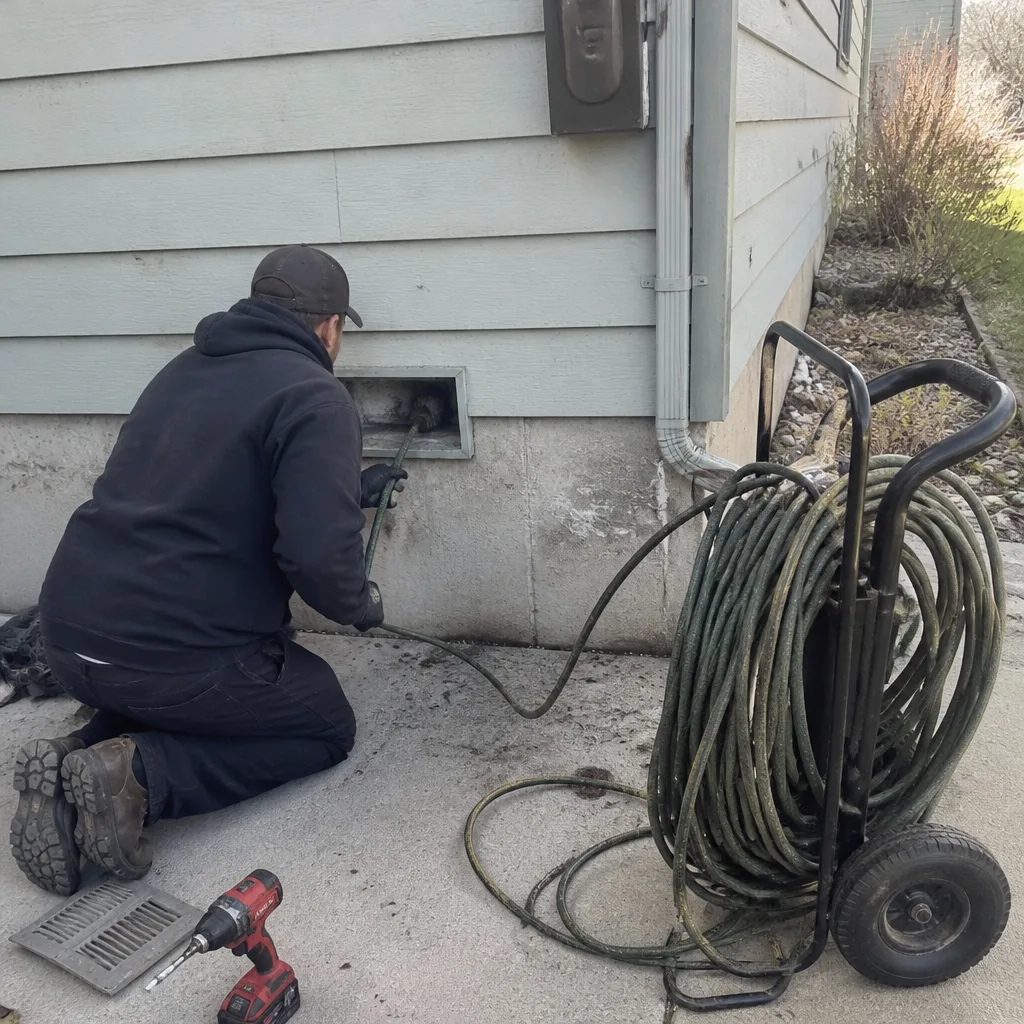 Before
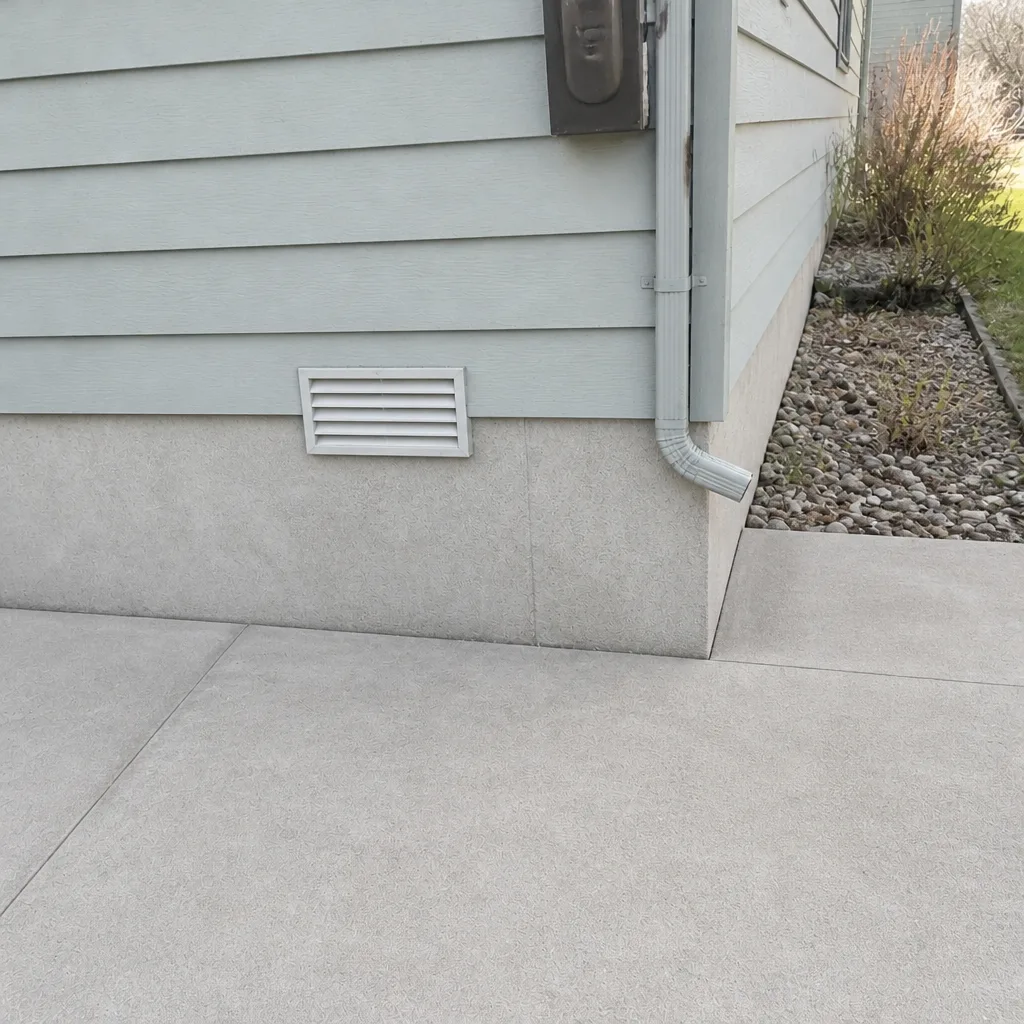 After
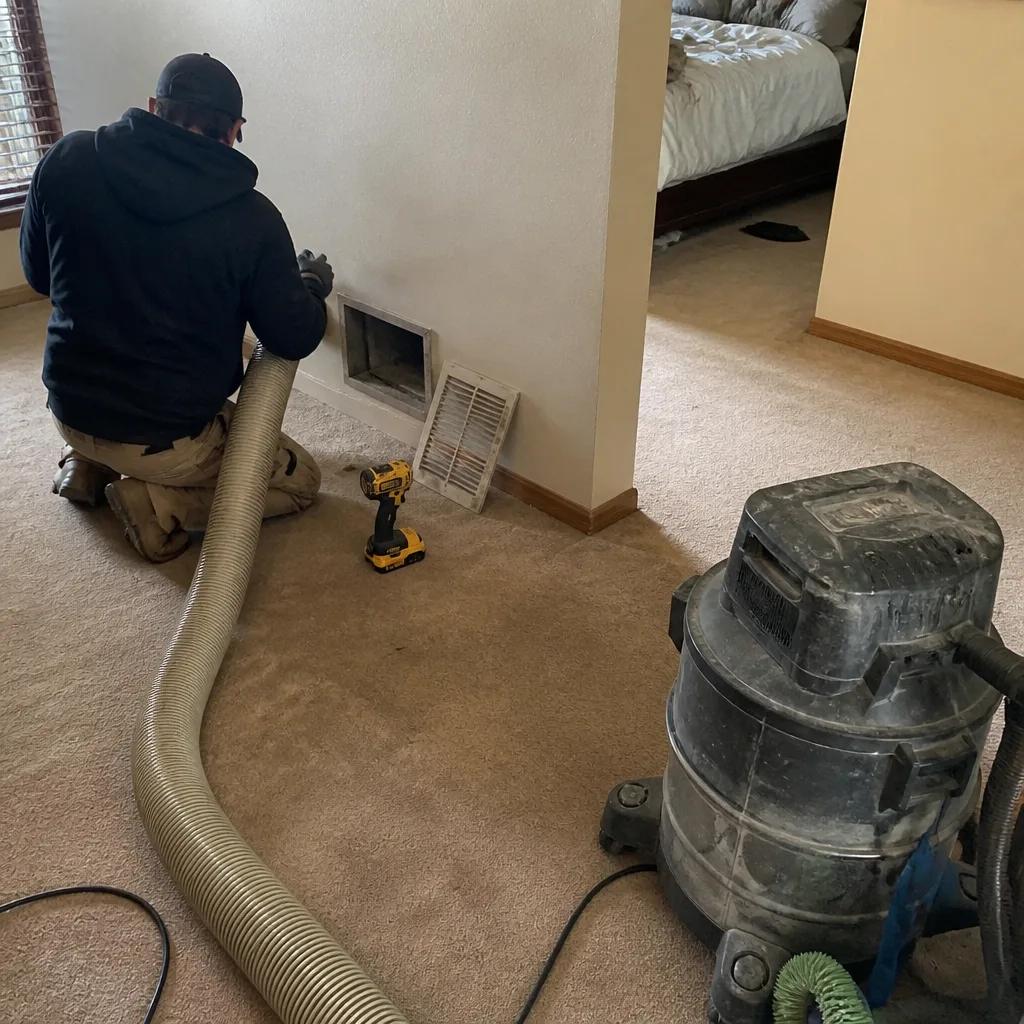 Before
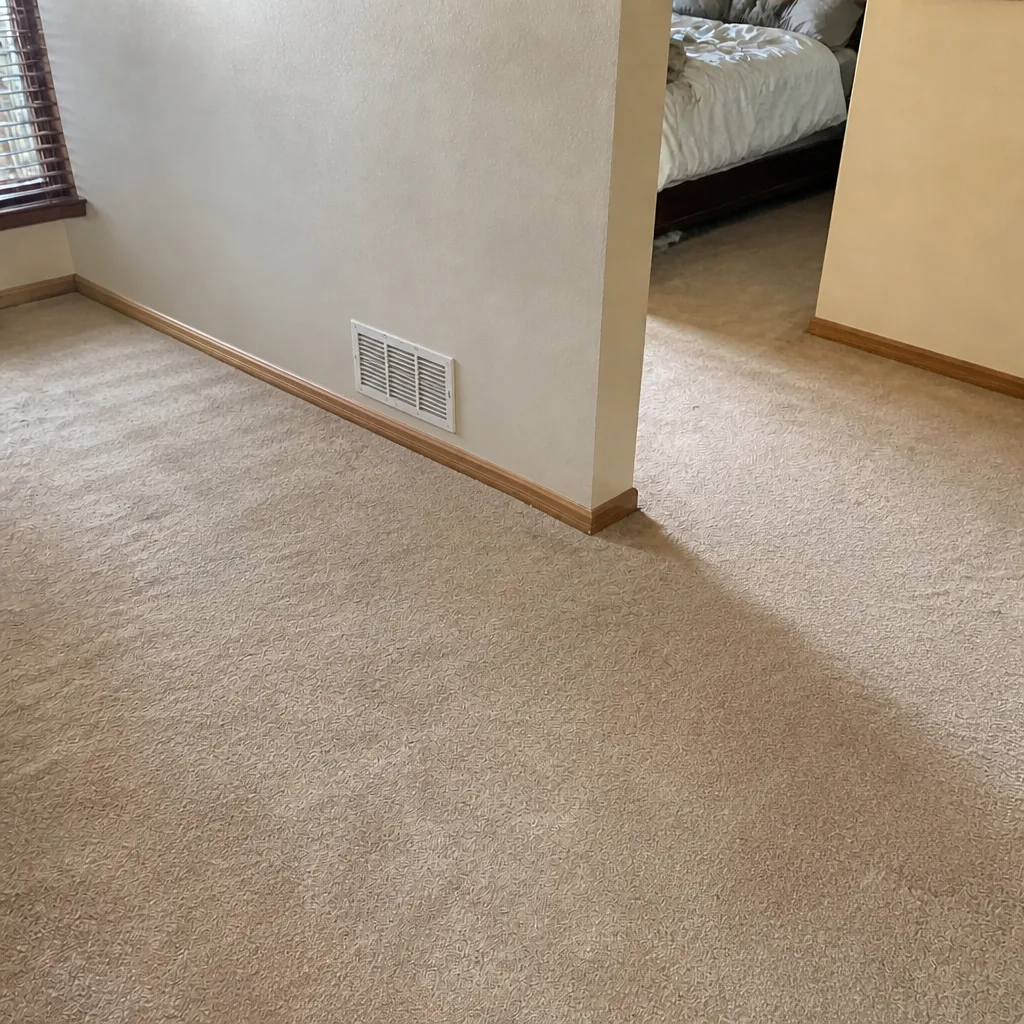 After
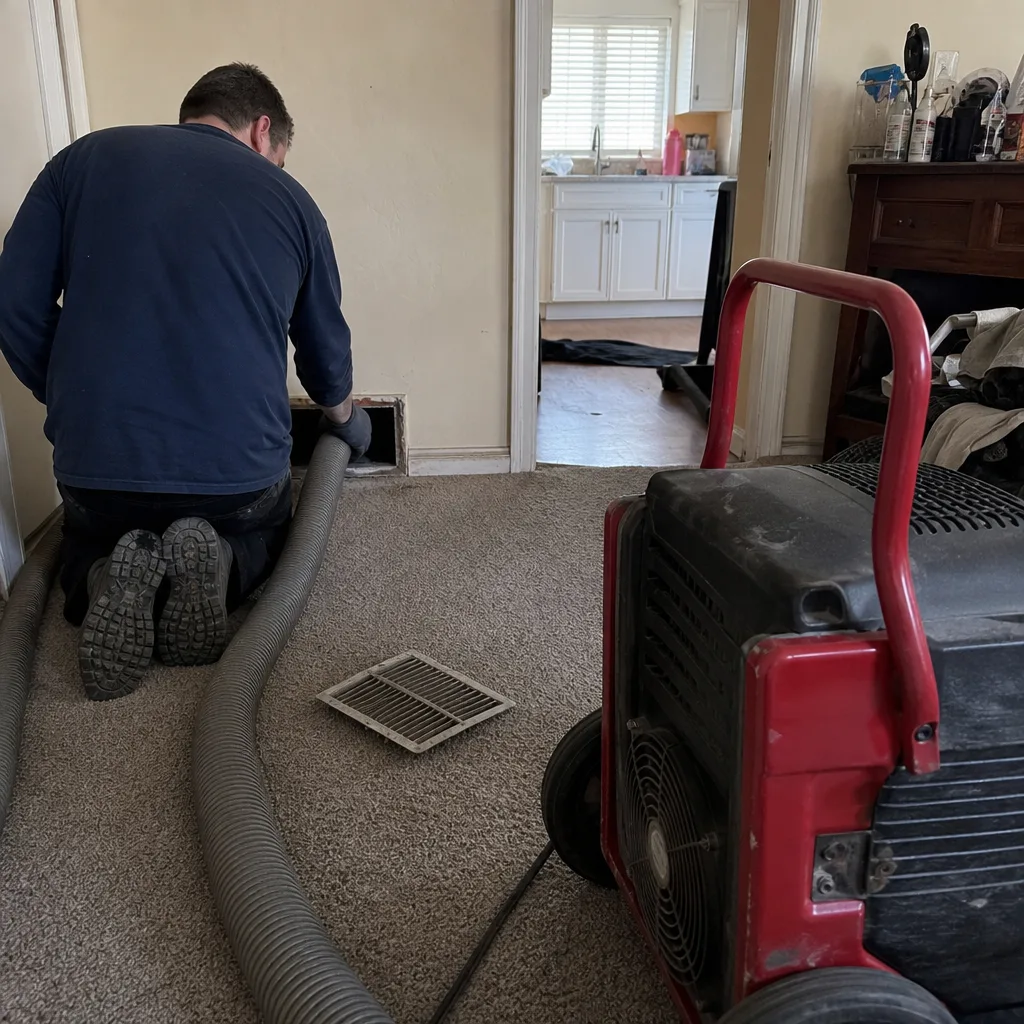 Before
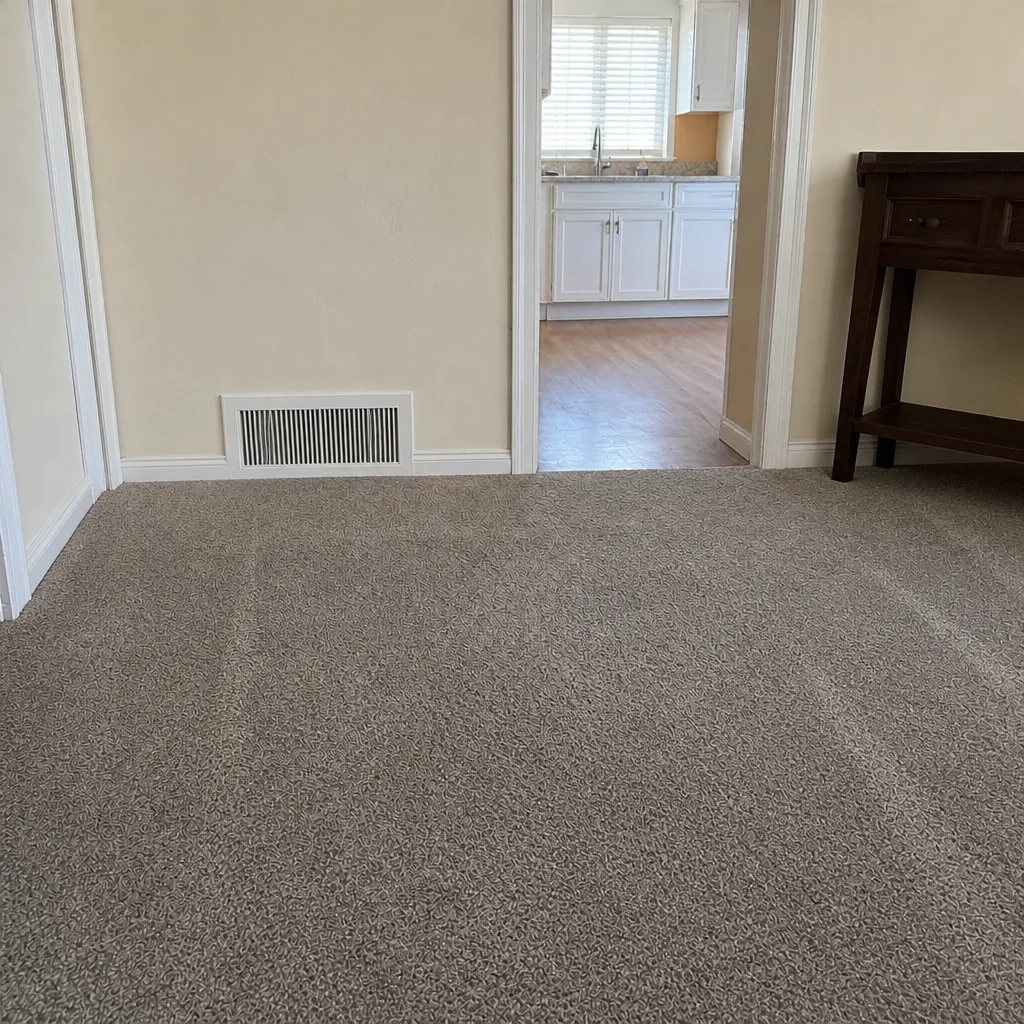 After
Frequently Asked Questions
For a standard Lafayette home with a single HVAC system, 12 to 18 branch runs, and one or two returns, a complete 2026 clean runs about $450 to $750. Larger homes, multi-system homes, or ones requiring access panels or repair work land in the $700 to $1,000 range or higher. The written estimate sets the final price, and a fair contractor will only give you a firm number after seeing the system. Call (877) 792-6649 for an exact quote. Estimates are free.
Because they’re describing a smaller job. A $199 quote for “whole home” typically excludes the main trunk, the return air system, and the coil, which are the most labor-intensive parts of a legitimate clean. The technician will often spend the visit trying to expand the scope on site. That’s not necessarily fraud, but it is a scope trap. When you get a quote, ask explicitly which components are included. Call (877) 792-6649 to get a written scope that lists each one. Estimates are free.
You should get before-and-after photos of your own registers and ductwork, a written summary of what was found, and an invoice that matches the scope agreed up front. If a contractor won’t provide photos, the work isn’t verifiable, and any claim of a thorough clean is unprovable. Ask for the documentation before you pay. Call (877) 792-6649 to book a job that documents what it does. Estimates are free.
The honest answer is that there’s no fixed schedule. Homes with pets, allergy sufferers, recent remodels, or older systems tend to need it more often than a newer home with a clean filtration setup and no pets. A reasonable check-in is every few years for most Lafayette homes, with an inspection sooner if you notice dust at the registers, odor on startup, or rising energy bills. A quick call is worth it. Call (877) 792-6649 for an honest read on whether your system needs it now. Estimates are free.
No. They’re separate systems, and dryer vent cleaning should always be quoted as its own line item. Your dryer vent removes lint and moisture from a single appliance, and it’s documented by the NFPA as a leading cause of residential house fires when it’s clogged. Duct cleaning handles your HVAC air distribution. A legitimate contractor will price both distinctly. Call (877) 792-6649 to schedule both in one visit. Estimates are free.
Not always, but usually. The pricing driver is the number of branch runs, the duct material, and the number of HVAC systems, not raw square footage. A 2,400 square foot home on a single system with 14 runs can cost less than a 2,000 square foot home with two systems and 20 runs. Ask for a quote based on the actual system, not the square footage. Call (877) 792-6649 and we’ll price the system as it is. Estimates are free.
The Bottom Line
Duct cleaning prices in Lafayette aren’t really hard to compare once you know what the numbers should include. The main trunk, the branch runs, the return air system, the coil, and the dryer vent are the five components that make up a complete job. For a typical single-system home in the 1,600 to 2,400 square foot range, that’s $450 to $750 in 2026, with room above for larger systems or repair work and room below only for genuinely small homes. Everything below that range without a scope is marketing. Everything above it without an explanation deserves a question. One flat price per system, agreed before work starts, before-and-after photos of your own ducts, and a written scope are the only protections that actually hold up.
If you’d like to compare a real quote to the ranges above, call (877) 792-6649 for a free estimate. We answer 24/7. Fast dispatch from 7am to 7pm, Sunday through Friday. You can also read more about how we approach Lafayette Air Duct Cleaning Pros and the full scope of what we do, from cleaning to sanitizing to HVAC cleaning.
Written by the team at Lafayette Air Duct Cleaning Pros.